







右翼或失去多數、戰爭陰影籠罩 內塔尼亞胡時代走到盡頭?

- 普通話
- 廣東話

- 超大
- 大
- 標準
- 小
文/海薩姆·穆扎赫姆博士(Dr. Haytham Mouzahem)
編者按:本文根據海薩姆·穆扎赫姆博士提供的英文原稿編譯及改寫,英文原文附於文末。
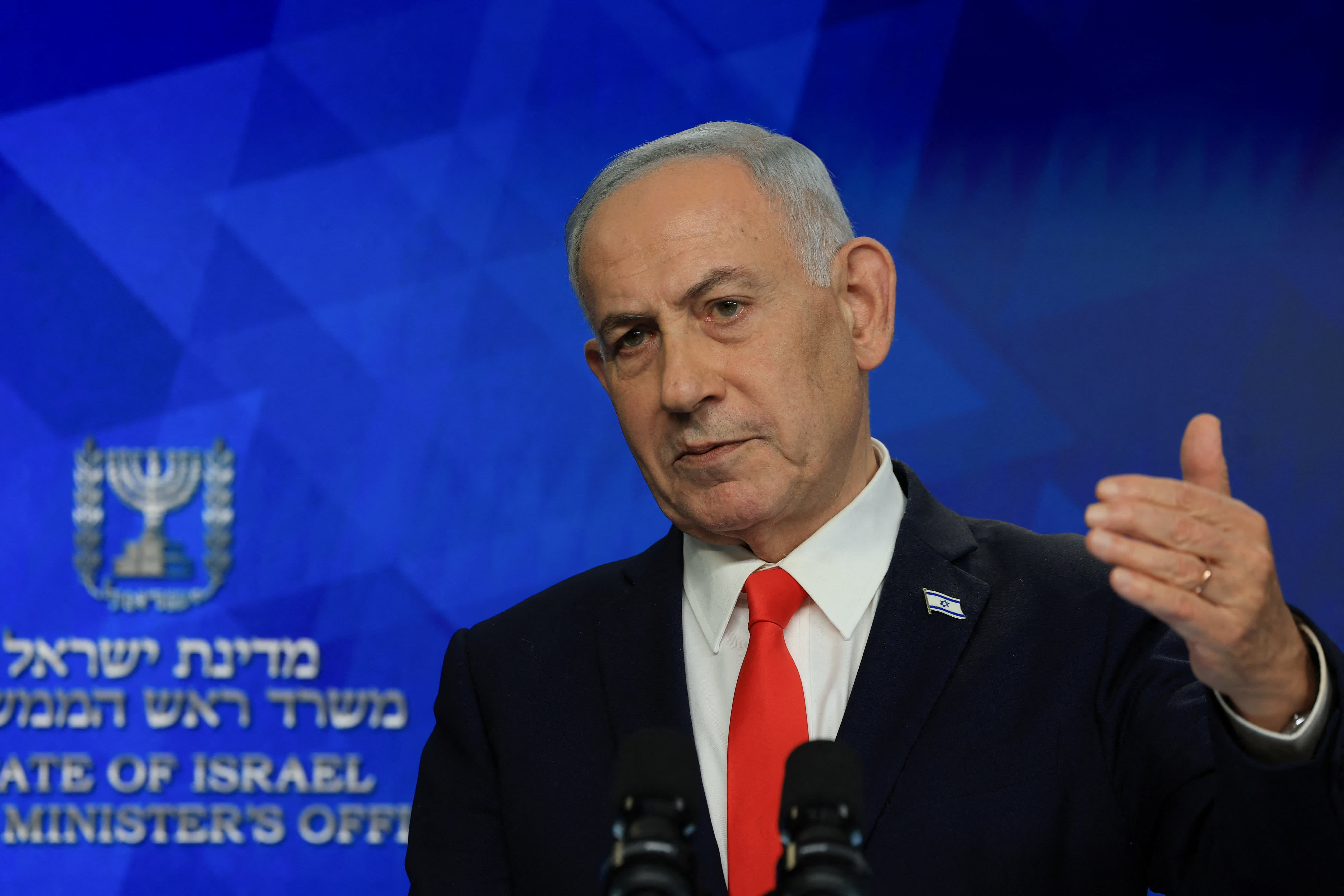
以色列新一輪國會選舉戰,已於7月17日正式打響。按照原定安排,投票將於10月27日舉行。
但這次選舉,可能不同於以色列過去任何一次政治競爭。
一方面,最新民調顯示,總理內塔尼亞胡領導的右翼陣營可能失去執政多數;另一方面,以色列仍處於戰爭、安全危機和社會撕裂之中。反對派及部分政治分析人士甚至擔心,政府可能進一步升高安全局勢,利用緊急狀態推遲選舉。
因此,這場選舉爭奪的,不只是下一屆政府由誰組成。
它更可能決定:長期主導以色列政治的「內塔尼亞胡時代」,是否已經走到終點。
右翼陣營可能首次失去組閣能力
以色列國會共有120個議席,任何政黨或聯盟要組成政府,至少需要取得61席支持。
以色列《新消息報》前夕公布的民調顯示,如果現在舉行選舉,內塔尼亞胡領導的利庫德集團,與前以軍總參謀長加迪·艾森科特領導的名單,可能各得22席。
由前總理納夫塔利·貝內特主導的另一反對派聯合名單,則可能獲得16席。
按照民調推算,支持內塔尼亞胡的政黨合共只能取得48席;反對派陣營則可能獲得62席,剛好跨過組閣所需的61席門檻。
這意味着,只要反對派能夠維持團結,內塔尼亞胡便可能失去執政權。
其他政黨方面,由亞伊爾·戈蘭領導、包括工黨和梅雷茲在內的中左翼「民主黨人」名單,預計可獲11席;阿維格多·利伯曼領導的「以色列是我們的家園」可能取得9席;由約阿茲·亨德爾領導的「預備役軍人」名單,可能僅以4席越過選舉門檻。
曾經被視為內塔尼亞胡主要對手的本尼·甘茨,其「藍白黨」則可能無法取得進入國會所需的3.25%得票率。
在右翼和宗教陣營中,比撒列·斯莫特里赫領導的宗教錫安主義黨可能獲4席;伊塔馬爾·本—格維爾領導的「猶太力量」預計獲7席;沙斯黨和「聖經猶太教聯盟」兩個極端正統派政黨,則可能分別取得7席及8席。
阿拉伯政黨方面,「和平與平等民主陣線」與「阿拉伯復興運動」組成的聯盟可能取得5席;「聯合阿拉伯名單」也可能獲5席;民族民主聯盟則可能無法越過門檻。
反對派能否團結,仍是一大問題
從議席數字來看,反對派似乎已經取得優勢,但「反內塔尼亞胡」並不等於各黨在所有議題上立場一致。
反對派內部既有中間派和中左翼政黨,也有民族主義右翼政黨,還可能需要阿拉伯政黨在國會提供支持。
他們在巴勒斯坦問題、加沙戰爭、司法改革、宗教與國家關係,以及是否應讓極端正統派猶太人服兵役等問題上,都存在明顯分歧。
其中,極端正統派政黨是否應獲邀加入下一屆政府,已成為重要爭議。
民調顯示,83%的反對派選民反對新政府納入極端正統派政黨,只有8%表示支持。
這對反對派構成一個現實難題。
拒絕宗教政黨,可以回應世俗選民的要求,卻會縮小組閣空間;接納宗教政黨,又可能令反對派內部首先分裂。
因此,即使內塔尼亞胡陣營未能取得過半數議席,也不代表反對派必然能順利組成穩定政府。
這會是另一場「1977年政治地震」嗎?
以色列政治歷史上,戰爭造成的政治後果,往往不會立即在第一次選舉中完全顯現。
1973年第四次中東戰爭爆發後,以色列遭受嚴重軍事打擊,也暴露出建國以來最嚴重的情報失誤之一。
但戰後舉行的選舉並沒有立刻推翻執政的工黨。時任總理果爾達·梅厄仍然能夠組成政府,直到數月後在抗議壓力及健康問題下辭職,由伊扎克·拉賓接任。
以色列選民真正與舊有領導層「算總帳」,要等到1977年。
當年,梅納赫姆·貝京領導的利庫德集團勝出,首次在以色列歷史上組成右翼政府。這次政權更替被稱為以色列的「政治大翻轉」。
它不只是更換了一名總理,也改變了以色列的社會聯盟、階級結構和政治版圖,並奠定了右翼此後數十年的重要地位。
部分分析人士因此認為,歷史可能再次重演。
即使以色列社會已對內塔尼亞胡及現政府感到不滿,選民也未必會在2026年的選舉中立即完成徹底的政治轉向。真正的大變局,可能要到下一次選舉才會完全爆發。
10月7日後,以色列社會既撕裂又重新凝聚
從整體社會情緒來看,這次選舉本來應該帶來一場政治地震。
過去數年,以色列人對國家、安全、軍隊和自身身份的理解,都發生了深刻變化。
在2023年10月7日之前,以色列社會因司法改革、宗教權力和內塔尼亞胡政府的政策而高度分裂。一邊是更重視猶太宗教和民族身份的陣營,另一邊則是強調世俗、自由和公民國家的「以色列人」陣營。
但在哈馬斯襲擊及其後戰爭爆發後,這些分歧一度被國家安全危機掩蓋。
戰爭初期,以色列出現建國以來規模最大的動員。約30萬名預備役軍人在數日內響應徵召,部分作戰部隊的報到率甚至超過100%,有人在尚未接到正式命令前便主動返回軍中。
在這場大規模動員中,左右翼、宗教與世俗之間的差異,一度變得不再重要。
但這種戰時團結,是否能轉化為新的政治選擇,仍然不確定。
一些以色列分析人士認為,社會情緒要轉化成政治理念,再發展成真正有組織的政黨和社會運動,需要很長時間。
戰爭可以在一夜之間改變人的感受,卻未必能立即產生一名有能力代表這種變化的新領袖。
選舉有固定日期,但政治變革未必按照選舉日程發生。
它往往要等待一個新觀念以及一個懂得如何表達這種觀念的人。
內塔尼亞胡為何可以執政這麼久?
要判斷內塔尼亞胡的時代是否已經結束,首先要回答另一個問題:他為甚麼能夠主導以色列政治這麼多年?
常見解釋包括他的政治技巧遠勝對手、反對派長期缺乏強而有力的領袖,以及以色列社會逐漸右傾。
但以色列《國土報》專欄作家阿夫納·本—扎坎提出了一個更深層的解釋:
內塔尼亞胡的政治生涯,幾乎與美國主導的單極世界同步。
冷戰結束後,美國成為全球唯一超級大國。對任何一位以色列總理來說,能否理解華盛頓、影響美國政府和國會,成為最重要的政治能力之一。
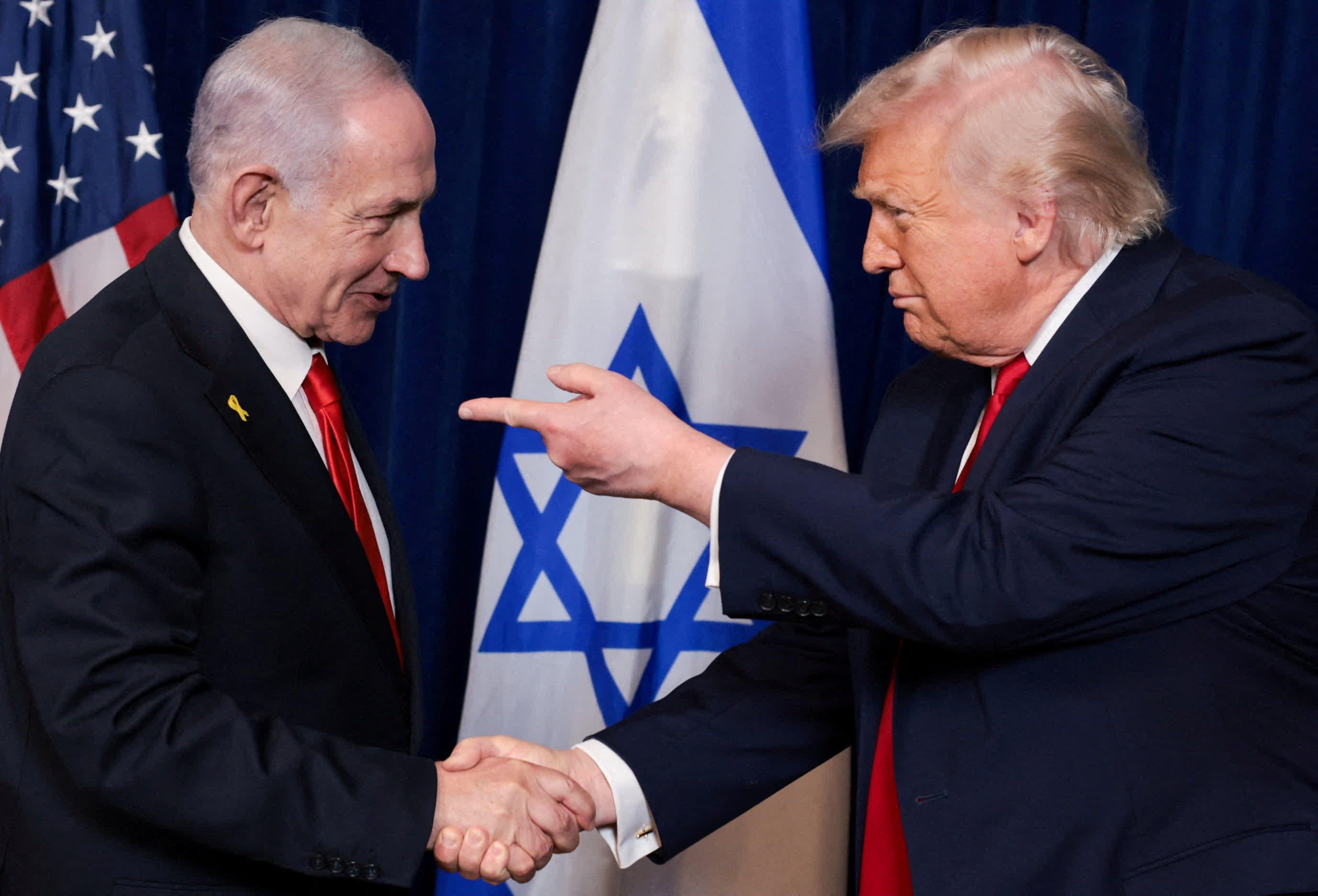
內塔尼亞胡曾在美國成長,英語流利,熟悉美國政治文化,也懂得如何面對美國媒體和國會。
當他把自己塑造成一名「最懂美國的以色列領袖」時,那不只是競選口號,而是他在當時國際秩序中的真正優勢。
從某種意義上說,內塔尼亞胡讓以色列成為美國在中東戰略的延伸;他自己也成為美國政治影響力在以色列內部的延伸。
只要華盛頓仍是全球唯一的權力中心,這種能力就是以色列領袖最重要的政治資產。
美國曾經擁有「犯錯而不用付出代價」的空間
單極世界給予美國一種極為罕見的特權:即使作出錯誤決定,也未必立即遭受足以改變國際格局的懲罰。
美國可以進行持續多年的戰爭、在全球維持數百個軍事基地、承擔國際秩序的成本,同時向以色列提供近乎無條件的支持。
即使部分政策不完全符合美國自身利益,只要沒有另一個足以挑戰美國的強大對手,華盛頓仍有能力承受錯誤的代價。
美以特殊關係,也正是在這種國際環境中逐步形成。
兩國戰略合作從1960年代末開始加深。1968年,美國向以色列提供「天鷹」戰鬥機;1973年戰爭期間,美國又通過空運大規模補充以色列軍事物資。
但這段關係真正達到高峰,是在蘇聯解體之後。
美國在國際體系中缺乏同等對手,親以色列遊說組織美國以色列公共事務委員會的影響力也隨之上升。
這不一定是因為遊說組織本身突然變得更強,而是美國擁有足夠的國力和政策空間,可以支持以色列而不必立即承擔嚴重的戰略代價。
內塔尼亞胡最擅長的政治能力,正在失去價值
內塔尼亞胡的政治優勢,與這個由美國主導的國際環境高度契合。
其中最典型的例子,是他長期推動美國退出伊朗核協議。
2015年,在時任美國總統奧巴馬反對的情況下,內塔尼亞胡繞過白宮,直接前往美國國會發表演說,公開反對奧巴馬政府與伊朗達成核協議。
這是一場前所未有的政治豪賭。
2018年,特朗普政府最終採納內塔尼亞胡的主張,宣布退出伊朗核協議。當時看來,內塔尼亞胡似乎贏了。
美國政策幾乎完全轉向以色列政府的立場,並假設由此產生的後果仍然可以控制。
但本—扎坎認為,讓內塔尼亞胡成為最合適的領袖的條件,如今已經不復存在。
美國不再擁有1991年海灣戰爭後那種近乎不受限制的行動空間。
在中國、俄羅斯、印度以及其他地區強國崛起後,美國在中東作出的每一個決定,都會影響其與北京和莫斯科的競爭、全球能源市場,以及更廣泛的國際力量平衡。
中東已不再是一個可以與其他地區分開處理的戰略舞台。
每一次軍事行動、每一輪制裁、每一項對以色列的支持,都可能在其他地區產生連鎖代價。
單極世界結束,內塔尼亞胡時代也會隨之結束?
本—扎坎的核心判斷是:
美國霸權促成了美以特殊關係;美以特殊關係又強化了親以色列政治力量的影響;這些因素共同創造了最適合內塔尼亞胡生存的政治環境。
但這套體系正在接近終點。
在單極世界裏,以色列需要的是一名最熟悉華盛頓、最擅長影響美國政治的領袖。
在多極世界裏,以色列需要的,可能是一名完全不同的領導人。
他不只要懂得與美國打交道,還要能夠適應多個權力中心並存的國際環境,處理與中國、俄羅斯、印度、歐洲和中東各國之間更加複雜的關係。
過去,華盛頓可以單獨制定遊戲規則;如今,以色列領袖必須學會在多套規則之間周旋。
因此,內塔尼亞胡面臨的可能不只是一場民調落後、一次聯盟危機或一屆選舉失利。
他所代表的整套政治模式,正在失去原有的國際基礎。
本—扎坎由此得出結論:單極世界的時代已經結束,而隨着它一起結束的,也可能是內塔尼亞胡的時代。
10月選舉,或許只是終局的開端
目前的民調,確實顯示內塔尼亞胡陣營可能失去多數。
但以色列政治仍有多個不確定因素。
戰爭是否繼續、安全局勢會否再次惡化、反對派能否維持團結、宗教政黨最終選擇支持哪一方,以及有多少政黨能越過選舉門檻,都可能改變最終結果。
即使內塔尼亞胡在10月成功守住政權,也不代表他的政治危機已經結束。
1973年戰爭後,以色列選民用了近四年,才在1977年完成真正的政權更替。
這一次,歷史也可能不會按照人們預期的速度發展。
10月27日的選舉,未必會立即結束內塔尼亞胡時代。
但它很可能成為這個時代走向終局的開始。
以下為英文原文:
The Electoral Battle in Israel Begins: Has the Netanyahu Era Ended?
By Dr. Haytham Mouzahem*|
The Israeli parliamentary election campaign officially began on Friday, July 17, with elections scheduled for their original date of October 27.
Israelis agree this is the most difficult electoral battle, and there is widespread concern in the political arena that it may be the most violent in the country's history. Polls indicate that the right-wing camp led by Benjamin Netanyahu will lose power, and extremists are behaving in ways that suggest they will not surrender it peacefully.
Experts and many opposition party leaders warn that Netanyahu's government may escalate security tensions and ignite one or more wars to declare a state of emergency and postpone the elections.
Amid Netanyahu's concerns about his political future, his visit to Washington appears to be a bitter choice he seeks to avoid, fearing a harsh reception from President Donald Trump that would portray him as a weak leader, further damaging his electoral standing.
A poll of Israeli public opinion conducted by the Israeli newspaper Maariv on Thursday showed that if general elections were held now, both the Likud party list led by Netanyahu and the "Yesh Atid" party list led by former Chief of Staff General (res.) Gadi Eizenkot would each receive 22 seats, while the "Together" list led by former Prime Minister Naftali Bennett, which includes the "Bennett 2026" and "Yesh Atid" parties led by opposition leader Yair Lapid, would receive 16 seats.
The Likud list would have a coalition of only 48 Knesset members, while the opposition party lists would have a coalition of 62 Knesset members, enabling them to form a new Israeli government.
The "Democrats" list, which includes the Labor and Meretz parties (center-left), led by Yair Golan, would receive 11 seats. The "Yisrael Beiteinu" party list, led by Avigdor Lieberman, would receive 9 seats. The "Reservists" list, led by Yoaz Hendel, would receive 4 seats. The "Blue and White" list led by Benny Gantz would not surpass the electoral threshold (3.25%).
The "Religious Zionism" list led by Bezalel Smotrich would receive 4 seats, while the "Otzma Yehudit" (Jewish Power) list led by Itamar Ben-Gvir would receive 7 seats. The ultra-Orthodox Sephardi party Shas would receive 7 seats, and the ultra-Orthodox Ashkenazi party Yahadut HaTorah would receive 8 seats. This means the ultra-religious parties would collectively hold 26 seats.
The alliance between the Arab parties Hadash (Democratic Front for Peace and Equality) and Ta'al (Arab Movement for Change) would receive 5 seats, and the Ra'am party (United Arab List) would receive 5 seats, while the Balad party (National Democratic Assembly) would not surpass the electoral threshold.
Eighty-three percent of opposition party voters said they oppose including the ultra-Orthodox parties in the coalition government that would be formed after the upcoming general elections on October 27, while only 8% said they support their inclusion.
The Big Change Awaiting the Elections
The Israeli elections held after the October 1973 war between Israel and Egypt and Syria did not produce dramatic political headlines. Despite the severe blow and the greatest intelligence failure in Israel's history, the ruling Labor party won 51 seats. Prime Minister Golda Meir was popular and formed a government easily, then resigned months later amid protests and due to her battle with cancer. She was succeeded by former Chief of Staff Yitzhak Rabin, who maintained the coalition government for about three years.
Israeli analysts note that the Israeli public did not truly settle accounts with the leadership until May 1977, when the "political upheaval" that changed power occurred, as the right-wing Likud, led by Menachem Begin, won the elections and formed the first right-wing government in Israel's history. They believe history may repeat itself; they predict the Israeli public will choose to continue with the same option in October 2026 and postpone the real political explosion to the next elections (2030). This is not a coincidence but a recurring pattern. The elections that brought Begin to power were not merely a leadership change; they brought with them a new coalition alliance and a socio-political and tribal structure that continues to this day.
If the sole measure of change were the general mood, the upcoming October elections would be expected to produce a political earthquake. Over the past four years, most Israelis have changed how they understand the state, themselves, and their place within it. This change, which has made them more similar to one another, did not come from a book, article, speech, or leader. It happened silently, through actions, from the bottom up. Israelis entered the morning of October 7 divided between a "Jewish" (religious) camp and an "Israeli" (secular) camp, but in the months that followed, these people proved that standing with Israel's interests and the Zionist project matters far more than everything that divides them.
The event that proves this is the largest mobilization in Israel's history. Israelis were called to serve, and they responded. Combat units sometimes exceeded 100% attendance, with people enlisting even without receiving call-up orders, and about 300,000 Israelis responded within just a few days. Within this mobilization, the differences between political currents became marginal.
Some Israeli analysts believe change will come eventually—Israel is still at war, still mobilized, still bleeding—and transforming instinctive feelings into ideas, and ideas into social and political movements, takes time. This maturity does not recognize artificial deadlines like elections. Change does not wait for the ballot box; it waits for the new idea and the person who knows how to present it.
Has Netanyahu's Era Ended?
Other analysts, like Avner Ben Zakan, a columnist for the Israeli newspaper Haaretz, asks: Why has Benjamin Netanyahu remained in power in Israel for so long?
Ben Zakan answers: Common explanations attribute this to his political skills, the weakness of his opponents, and the transformations in Israeli society. But there is a deeper explanation: Netanyahu's political career has coincided, almost perfectly, with the era of the unipolar world, when the United States was the world's sole superpower. In such a world, the most important quality an Israeli prime minister needed was the ability to work and influence Washington. Netanyahu, who grew up in the United States, mastered its language and understood its political culture from within, turning this advantage into a core part of his political identity. When he presented himself as someone who "knows America," this was not merely an electoral slogan; it was an expression of the advantage that the then-dominant global system gave him.
In many ways, just as Netanyahu's policies made Israel an extension of the United States in the Middle East, Netanyahu himself became an extension of the United States within Israel. This was the most important qualification any Israeli leader could offer as long as Washington remained the center of gravity in the international system. The unipolar world gave the United States the rarest privilege in international politics: the ability to make mistakes without any accountability. Every great power makes mistakes, but when there is no competitor capable of exploiting those errors, wrong decisions do not change the balance of power. Thus, the United States could fight long-term wars, maintain hundreds of military bases around the world, finance the international system, and simultaneously provide almost unconditional support to Israel, even when this was not aligned with American interests. As long as there was no competing power confronting the United States, America enjoyed a wide margin for error; it could bear the cost of its strategic mistakes without its position as leader of the global order being shaken.
Ben Zakan adds: The special relationship between Israel and the United States was itself a product of that global order. The strategic alliance between the two countries developed gradually from the late 1960s, beginning with the supply of Skyhawk aircraft to Israel in 1968, and deepened after the airlift of military aid during the October 1973 war. However, this alliance reached its peak only after the collapse of the Soviet Union. In those years, the influence of the pro-Israel lobbying group AIPAC also reached its zenith. This was not because the lobby itself changed, but because it operated within an international system in which the United States possessed enough power—and more importantly, enough margin for error—to provide almost unlimited support to Israel without paying a strategic price.
Netanyahu was the leader whose advantages aligned more than anyone else's with those circumstances, which is why he was able to survive in political life longer than all his rivals. His insistence on pushing the United States to withdraw from the nuclear agreement with Iran was the clearest embodiment of this approach. His 2015 speech to Congress, delivered without President Barack Obama's approval and contrary to the administration's position, was an unprecedented political gamble. When the Trump administration adopted Netanyahu's position in 2018 and withdrew from the nuclear agreement, it seemed that gamble had succeeded. The United States adopted a policy very close to the Israeli government's worldview, operating on the assumption that its consequences would be manageable.
Ben Zakan argues that the conditions that made Netanyahu the most suitable leader no longer exist. The war with Iran showed that the United States no longer has the room for maneuver it enjoyed for the three decades following the 1991 Gulf War. It is no coincidence that Robert Kagan, the theorist most associated with the neoconservatives in the United States and with the idea of American hegemony, chose the title "Checkmate in Iran" for his post-war article in “The Atlantic”. This was not an admission of defeat in the war so much as an acknowledgment from one of America's foremost hegemony theorists that the unipolar moment has ended.
Washington's margin for error has shrunk significantly in the face of China, Russia, India, and other regional powers. Any decision made in the Middle East today affects the competition with Beijing, relations with Moscow, energy markets, and the global balance of power, and may carry a heavy price. The United States can no longer treat the Middle East as a separate arena; every move is now measured as part of a broader global struggle. The irony is that the war intended to curb Iran ends at a time when Iran is closer than ever to consolidating its position as a dominant regional power in the Persian Gulf. The move that initially suggested the United States could shape the world according to its will has in fact accelerated the erosion of its margin for error.
Ben Zakan adds: American hegemony enabled the special relationship between America and Israel, and this relationship strengthened the pro-Israel lobby's influence. All these factors together created the conditions that made Netanyahu the most suitable leader for Israel. This system is approaching its end. When Donald Trump completes his term in 2028, sixty years will have passed since the special alliance between the United States and Israel began, an alliance built on America's unprecedented power and its wide margin for error. The international environment has changed. In a unipolar world, Netanyahu was the most suitable leader for Israel; but in a multipolar world, only a leader with different skills will succeed—a leader whose political culture adapts to multiple centers of power, not to a world where Washington alone set the rules of the game. He concluded: The era of the unipolar world has ended, and with it, Netanyahu's era has ended.
*Dr. Haytham Mouzahem is a Lebanese researcher and analyst, a senior fellow at NSBRRI – Hong Kong Chu Hai College.
 0
已點過讚
0
已點過讚





評論(0)
0 / 255