






天下觀察| 美伊協議第五條埋下漏洞 霍爾木茲海峽再陷報復戰

- 普通話
- 廣東話

- 超大
- 大
- 標準
- 小
文/海薩姆·穆扎赫姆博士
中文編譯及改寫/香港文匯報記者胡恬恬
編者按:本文根據海薩姆·穆扎赫姆博士的英文原稿編譯及改寫,並結合最新公開資料更新相關事實和時間線,英文原文附於文末。
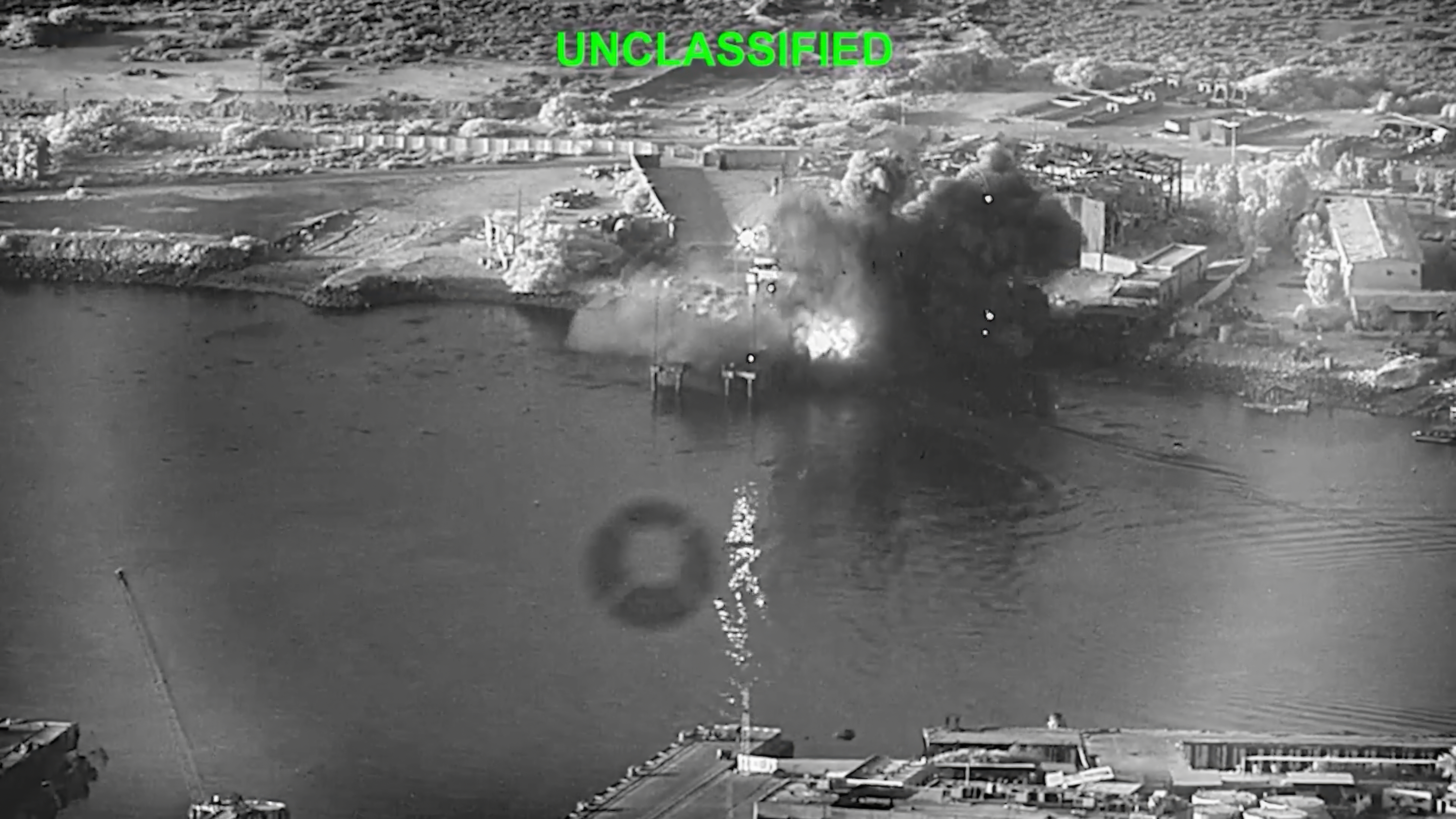
美國與伊朗圍繞霍爾木茲海峽的衝突仍在升級。
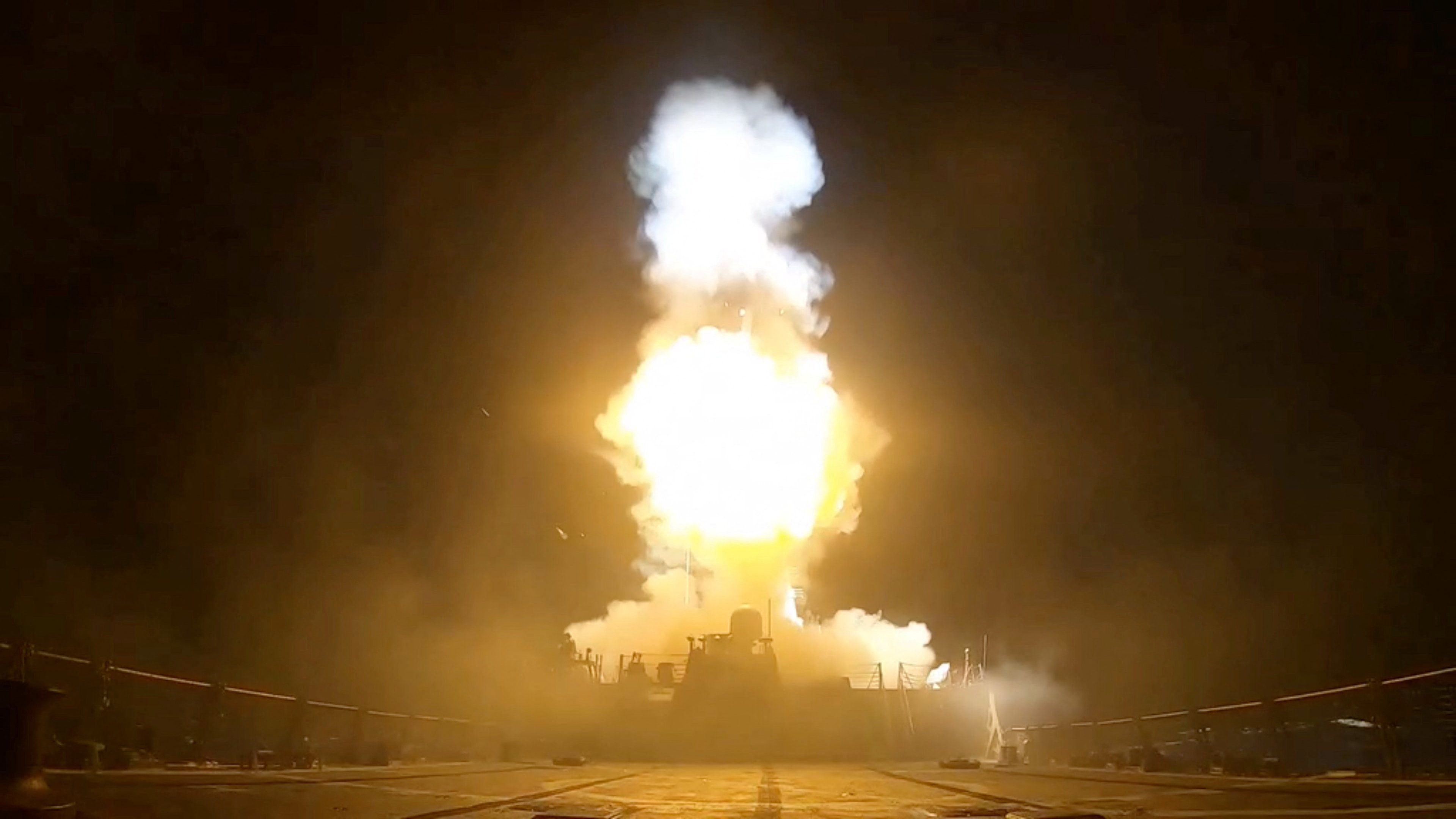
美軍於7月13日晚至14日凌晨再次對伊朗發動新一輪襲擊,行動持續約五小時,已是美軍連續第三晚空襲伊朗。美方還宣布重新封鎖伊朗港口、石油碼頭及沿岸地區,封鎖措施由7月14日20時,即香港時間7月15日凌晨4時起生效。
伊朗則展開新一輪報復,向約旦境內的美軍基地發射彈道導彈。約旦軍方表示,攔截了四枚由伊朗方向進入其領空的導彈。伊朗也襲擊了在阿曼領海內使用南部航道的兩艘阿聯酋油輪,造成一名船員死亡、八人受傷。巴林同樣拉響防空警報。
美伊6月簽署的、原本用來結束戰爭的諒解備忘錄,如今不但未能穩定局勢,反而成為雙方互相指控和發動軍事行動的依據。
問題的核心,正是協議第五條。
三艘商船遇襲引爆新一輪衝突
本輪衝突源於7月7日發生的商船遇襲事件。
當日,三艘在霍爾木茲海峽航行的商船遭到襲擊。美國指伊朗伊斯蘭革命衛隊策動襲擊,並將事件視為伊朗直接違反停火安排和航行安全承諾。
美國中央司令部其後表示,美軍打擊了約80個伊朗軍事目標,包括超過60艘伊朗伊斯蘭革命衛隊小型船隻。此後,美伊之間的軍事行動不斷擴大,從最初針對商船遇襲的報復,演變成圍繞霍爾木茲海峽控制權的持續交火。
美國認為,伊朗有責任按照諒解備忘錄保障商船安全航行;伊朗則指控美國企圖繞過德黑蘭,建立由華盛頓控制的替代航道,首先破壞了協議。
換言之,雙方不但對誰先違反協議各執一詞,也對第五條究竟賦予伊朗多大權力,存在根本分歧。
伊朗為何再次襲擊商船?
伊朗為襲擊使用霍爾木茲海峽南部航道的船隻辯解時,主要援引美伊諒解備忘錄第五條。
根據德黑蘭的理解,第五條規定伊朗負責保障船隻安全通過霍爾木茲海峽,也間接確認了伊朗在海峽管理中的核心地位。
因此,任何未經伊朗同意、由美國或其他國家另行規劃的航線,都可能被德黑蘭視為挑戰伊朗的海峽管理權。
伊朗尤其反對阿曼於2026年6月推出的南部航道。
這條航道位於阿曼控制的海峽水域,阿曼與國際海事組織協調推動這項安排,希望讓商船避開伊朗一側可能存在的水雷、軍事限制、登船檢查和通行許可要求。
對國際船公司來說,這是一條相對安全的替代航線;但在伊朗眼中,這卻是美國利用阿曼水域,建立一條不受伊朗控制的航道。
伊朗伊斯蘭革命衛隊指責美國鼓勵船隻使用「非法航線」,並警告協助美方安排的船隻可能受到攻擊。
第五條究竟寫了什麼?
美伊諒解備忘錄第五條大意如下:
「本諒解備忘錄簽署後,伊朗伊斯蘭共和國將在能力範圍內作出安排,在60天內保障商船從波斯灣前往阿曼灣,以及由阿曼灣進入波斯灣的安全通行,期間不得收取任何費用。
「商船航行將立即恢復。鑑於伊朗需要清除技術及軍事障礙,包括清除水雷,有關工作將在30天內完成。
「伊朗伊斯蘭共和國將與阿曼蘇丹國展開對話,並在諮詢其他波斯灣沿岸國家的基礎上,依照適用的國際法以及霍爾木茲海峽沿岸國家的主權權利,決定海峽未來的管理方式和海事服務安排。」
從文字上看,第五條包含兩層意思。
第一,伊朗必須立即恢復商船通行、清除水雷和軍事障礙,並在60天內保障船隻免費通過海峽。
第二,伊朗將與阿曼就海峽未來的管理和海事服務展開談判。
美國強調第一部分,認為伊朗的首要責任是保障航行自由,不得攻擊、扣押或干擾商船。
伊朗則更加重視第二部分,認為協議承認了伊朗有權與阿曼共同決定海峽未來的管理安排,而美國並未獲得任何直接管理航道的權力。
正是這兩種截然不同的解讀,令第五條由停火協議的一部分,變成新一輪戰爭的導火線。
美國也開始爭奪海峽管理權
局勢最新的變化是,美國已不再只要求伊朗開放海峽,而是開始直接宣示對霍爾木茲海峽的控制權。
特朗普表示,美國將成為霍爾木茲海峽的「守護者」,並提出向經過海峽的合資格貨物收取相當於貨值20%的費用,以補償美國維持航行安全的成本。
這令美國的立場出現明顯轉變。
華盛頓此前一直反對伊朗向通過海峽的船隻收費,強調霍爾木茲海峽是國際航道,不應由任何單一國家徵收通行費。如今,美國自己提出收費安排,也令這場爭議不再只是「伊朗是否有權管理海峽」,而是美伊兩國都在爭奪航道管理權和收費權。
聯合國下屬的國際海事組織已表示,國際法並沒有依據容許任何一方向僅僅通過國際海峽的船隻強制收取通行費。
因此,美伊之間的矛盾正在進一步擴大:雙方不但爭論第五條如何解釋,也開始爭奪誰有資格充當霍爾木茲海峽的安全保障者。
伊朗要求船隻申報貨物並事先取得許可
美伊簽署諒解備忘錄後,伊朗伊斯蘭革命衛隊推動對第五條作出更廣泛的解釋,希望確立德黑蘭在海峽管理中的領導地位。
伊朗伊斯蘭革命衛隊海軍開始要求使用伊朗一側航道的商船提前提交貨物資料,並取得「波斯灣管理局」發出的通行許可。
這個由伊朗設立的機構負責規管海上交通。外界相信,伊朗未來可能透過該機構提供引航、安全護航和其他海事服務,甚至向部分船隻收取服務費。
不過,第五條同時規定,伊朗與阿曼的管理安排必須符合國際法,並尊重其他沿岸國家的主權權利。
這意味着,即使協議給予伊朗參與海峽管理談判的權利,也不等於允許德黑蘭單方面控制整條海峽、限制阿曼領海內的航行,或強迫所有國際船隻接受伊朗的審批制度。
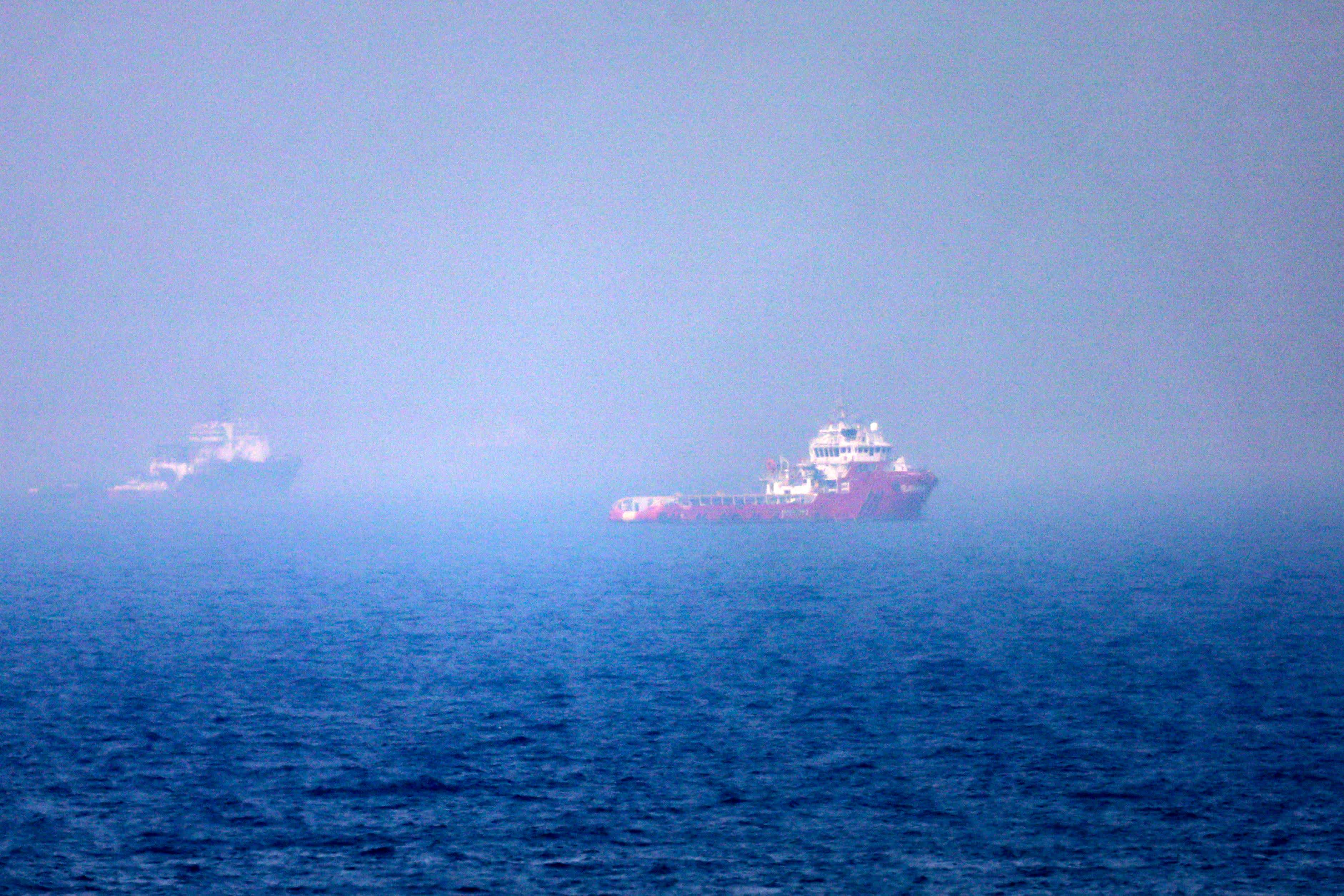
霍爾木茲海峽航運跌至兩個月低位
美伊諒解備忘錄簽署已進入第四周,但霍爾木茲海峽的航運仍遠未恢復正常。
路透社援引船舶追蹤公司Kpler的數據報道,7月13日前後,通過海峽的油輪和天然氣運輸船數量已跌至5月25日以來最低水平。
7月12日,公開數據只錄得六艘船隻通過海峽,是五周以來最低。部分船隻為了降低被追蹤或襲擊的風險,選擇關閉自動識別系統,因此實際航行數目可能高於公開數據。
這顯示,即使海峽在法律和外交層面仍未被完全封閉,對船公司和能源企業而言,實際安全風險已接近封鎖狀態。
商船面臨的問題不再只是應走伊朗航道還是阿曼航道,而是無論選擇哪條路線,都可能被其中一方視為支持敵對陣營。
協議沒有解決爭議的機制
美伊諒解備忘錄的一個根本缺陷,是沒有建立一套獲雙方接受的爭議解決機制。
當美國與伊朗對第五條產生分歧時,協議並未規定應由哪個國家、國際組織或仲裁機構作出解釋,也沒有設立有效機制阻止雙方以軍事手段處理爭議。
美國認為伊朗襲擊商船,違反了安全通航承諾;伊朗則認為美國設立替代航道、部署軍力和恢復封鎖,侵犯了伊朗根據第五條取得的權利。
最終,雙方都把自己描繪成協議的維護者,並將對方指為首先破壞協議的一方。
特朗普已公開表示,停火安排未能通過對伊朗的「測試」。美軍連續第三晚空襲伊朗、美國恢復海上封鎖,以及伊朗攻擊商船和美軍設施,意味着這份諒解備忘錄雖然尚未在法律上正式廢除,但在實際執行層面已接近失效。
更複雜的談判恐怕更加困難
霍爾木茲海峽的僵局表明,美伊之間的問題不只是協議文字寫得不夠清楚,而是雙方對安全、主權和地區秩序有完全不同的理解。
華盛頓希望確保海峽對國際航運保持開放,並阻止伊朗把地理位置轉化為政治和經濟籌碼。
德黑蘭則認為,伊朗承擔保障海峽安全的責任,就必須同時擁有相應的管理權,不能只負責清除水雷和保護商船,卻由美國決定航道和規則。
當雙方連商船應如何通過霍爾木茲海峽都無法達成共識,未來要處理伊朗核計劃、解除美國制裁、導彈問題和地區安全安排,難度只會更高。
第五條原本被視為重啟海上交通的基礎,如今卻成為美伊新一輪報復戰的理由。這場衝突也再次說明,美伊簽署了同一份文件,卻從未真正接受對方對協議的理解。
以下為英文原文:
An article in the US-Iran memorandum of understanding sparks tit-for-tat attacks
By Dr. Haytham Mouzahem
US forces launched strikes on Iran last Wednesday and Thursday, claiming they were in response to the Iranian Revolutionary Guard's targeting of commercial vessels in the Strait of Hormuz.
Three oil and gas tankers were attacked on Tuesday, July 7, 2026, in the Strait of Hormuz near the coasts of Oman and the UAE. Iran was accused of carrying out the attacks and the United States considered them as a "direct violation" of the memorandum of understanding it signed with Iran last month.
Why is Iran targeting ships again?
Iran justifies targeting ships transiting the Strait of Hormuz by citing what it considers a US violation of Article 5 of the memorandum of understanding, which stipulates that Iran is responsible for ensuring the safe passage of ships through the Strait of Hormuz. Tehran accuses the Americans of violating Article 5 by attempting to establish an alternative waterway in the strait. Tehran opposes the southern corridor announced by the Sultanate of Oman in June 2026 in coordination with the International Maritime Organization (IMO), aimed at ensuring freedom of navigation in the Strait of Hormuz and facilitating the flow of global trade.
The Omani corridor, located in the Omani-controlled portion of the Strait of Hormuz, runs along the Musandam Peninsula. Known as the southern corridor, it is considered a safer alternative route, allowing ships to avoid areas where they might face security risks, including routes suspected of being mined or subject to restrictions and fees imposed by Iran.
Thus, a key clause in the memorandum of understanding has become a loophole threatening to derail efforts to reopen the Strait of Hormuz, after sparking a deep dispute between the two sides regarding the mechanisms for managing one of the world's most important waterways.
The dispute centers on what is known as Article 5 of the agreement, which obligates Iran to take the necessary measures to resume navigation, guarantee the safe passage of ships, and remove military obstacles before consulting with the Sultanate of Oman and other coastal states on the future management of the strait in accordance with international law. While the Trump administration considered this clause the basis for reopening the Strait of Hormuz and resuming maritime trade, Tehran adopted a broader interpretation granting it a pivotal, even near-exclusive, role in managing the strategic waterway.
Article Five of the Memorandum of Understanding
The following is the text of Article Five of the US-Iranian Memorandum of Understanding:
"Upon signing this Memorandum of Understanding, the Islamic Republic of Iran will make arrangements to the best of its ability to ensure the safe passage of commercial vessels, without any charges, for a period of 60 days only, from the Persian Gulf to the Sea of Oman, and vice versa.
Commercial vessel traffic will commence immediately, and given the need for the Islamic Republic of Iran to remove technical and military obstacles and clear mines, this will be completed within 30 days.
The Islamic Republic of Iran will engage in dialogue with the Sultanate of Oman to determine the future management and maritime services in the Strait of Hormuz, in consultation with other coastal states of the Persian Gulf, and in accordance with applicable international law and the sovereign rights of the littoral states of the Strait of Hormuz."
The conflicting interpretations have hampered the implementation of the agreement and diverted the course of negotiations from addressing outstanding issues, particularly the Iranian nuclear program, to a direct conflict over the authority to manage the Strait of Hormuz and the conditions of passage through it.
Analysts believe that the interpretive dispute is "rooted in the core of the agreement" and that Washington assumed that economic incentives alone would be sufficient to compel Iran to comply, while Tehran's calculations are primarily linked to security considerations and its negotiating leverage.
Three weeks after the signing of the initial agreement aimed at ending the war, maritime traffic in the Strait of Hormuz remains far from its normal levels.
According to data from Kpler, a company specializing in ship tracking, the number of transiting vessels fell to 25 per day on Wednesday, July 8, compared to 49 the previous day, and more than 100 per day before the outbreak of the war.
The paragraph five was one of the most contentious points of the agreement from the outset, and the United States and Iran view its content from two completely divergent perspectives. But the text makes no mention of a US role in regulating safe passage, a point Tehran has exploited to justify targeting ships using shipping lanes coordinated by Washington.
Iranian Parliament Speaker and chief negotiator Mohammad Bagher Ghalibaf cited Article 5 of the agreement to assert, "The Strait of Hormuz will only be opened through Iranian arrangements, not American threats."
The agreement implicitly grants Iran the right to negotiate with Oman regarding the future management of the strait, albeit contingent upon respect for international law and the rights of neighboring states. This could limit Tehran's ability to impose transit fees in the future.
Observers believe that the parties involved agreed to a broad wording for the memorandum of understanding to facilitate the agreement's conclusion, hoping to resolve interpretations later. However, after the agreement was signed, the Iranian Revolutionary Guard Corps pushed for a broader interpretation that would grant Iran a leading role in managing the strait. The Iranian Revolutionary Guard Corps Navy began requiring ships wishing to use the Tehran-controlled route to provide detailed cargo information and obtain prior permits to transit through the "Persian Gulf Authority," an entity established by Iran to regulate maritime traffic and potentially collect fees in the future.
In contrast, Oman supported a proposal to establish a secure shipping corridor along its southern coast and submitted an initiative to this effect to the International Maritime Organization (IMO), a UN agency. The success of the Omani route angered Tehran, which attacked ships attempting to use it with drones, including two Qatari vessels and a Saudi ship, leading to a series of retaliatory strikes between the United States and Iran.
In conclusion, there is a mutual lack of trust between the Americans and Iranians, and no agreed-upon mechanism for resolving disputes related to the memorandum. Therefore, the current impasse in implementing the provisions concerning the Strait of Hormuz reflects the magnitude of the challenges that will confront any subsequent negotiations on more complex issues, most notably the Iranian nuclear program and the easing of US sanctions against Iran.
Dr. Haytham Mouzahem is a Lebanese researcher in Middle East and Islamic affairs, and a resident fellow at the Sino Group Belt and Road Research Institute at Hong Kong Chu Hai College.
 0
已點過讚
0
已點過讚





評論(0)
0 / 255