






天下觀察| 從調停者到衝突前線,阿曼如何捲入美伊的海峽爭奪戰?

- 普通話
- 廣東話

- 超大
- 大
- 標準
- 小
文/海薩姆·穆扎赫姆博士(Dr. Haytham Mouzahem)
編者按:本文根據海薩姆·穆扎赫姆博士提供的英文原稿編譯及改寫,英文原文附於文末。
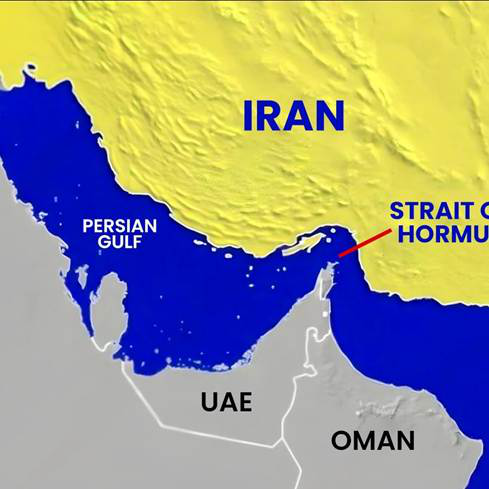
隨着伊朗與美國的軍事衝突升級,全球最重要的能源運輸通道之一——霍爾木茲海峽,再次成為國際局勢的焦點。
位於海峽南岸的阿曼,也因此被推到美伊角力的最前線。一方面,阿曼正與伊朗磋商新的船舶通行安排;另一方面,在美國壓力下,阿曼又開放一條靠近其海岸、位於阿曼領海內的替代航線,引起德黑蘭強烈不滿。
伊朗要求與阿曼共同管理航道
伊朗外交部發言人表示,外長阿拉格齊上周六在馬斯喀特與阿曼官員會談,目的就是與阿曼協調,建立保障船隻安全通過霍爾木茲海峽的新機制。
但伊方指出,由於美國對阿曼施加「公開和秘密的壓力」,雙方未能達成協議。
伊朗與阿曼談判的依據,是伊朗對6月18日簽署的美伊諒解備忘錄第五條的理解。德黑蘭認為,霍爾木茲海峽的航運管理權屬於伊朗,伊朗有權決定船隻應經過伊朗領海還是阿曼領海。
按照伊朗的立場,未來任何涉及霍爾木茲海峽航行管理的安排,都應由伊朗和阿曼通過雙邊談判決定,其他國家無權介入。
因此,美伊簽署諒解備忘錄後,伊朗隨即與阿曼展開磋商,希望建立一套新的船舶通行制度。兩國當時也宣布成立聯合委員會,專門處理相關問題。
阿曼另開航線觸怒德黑蘭
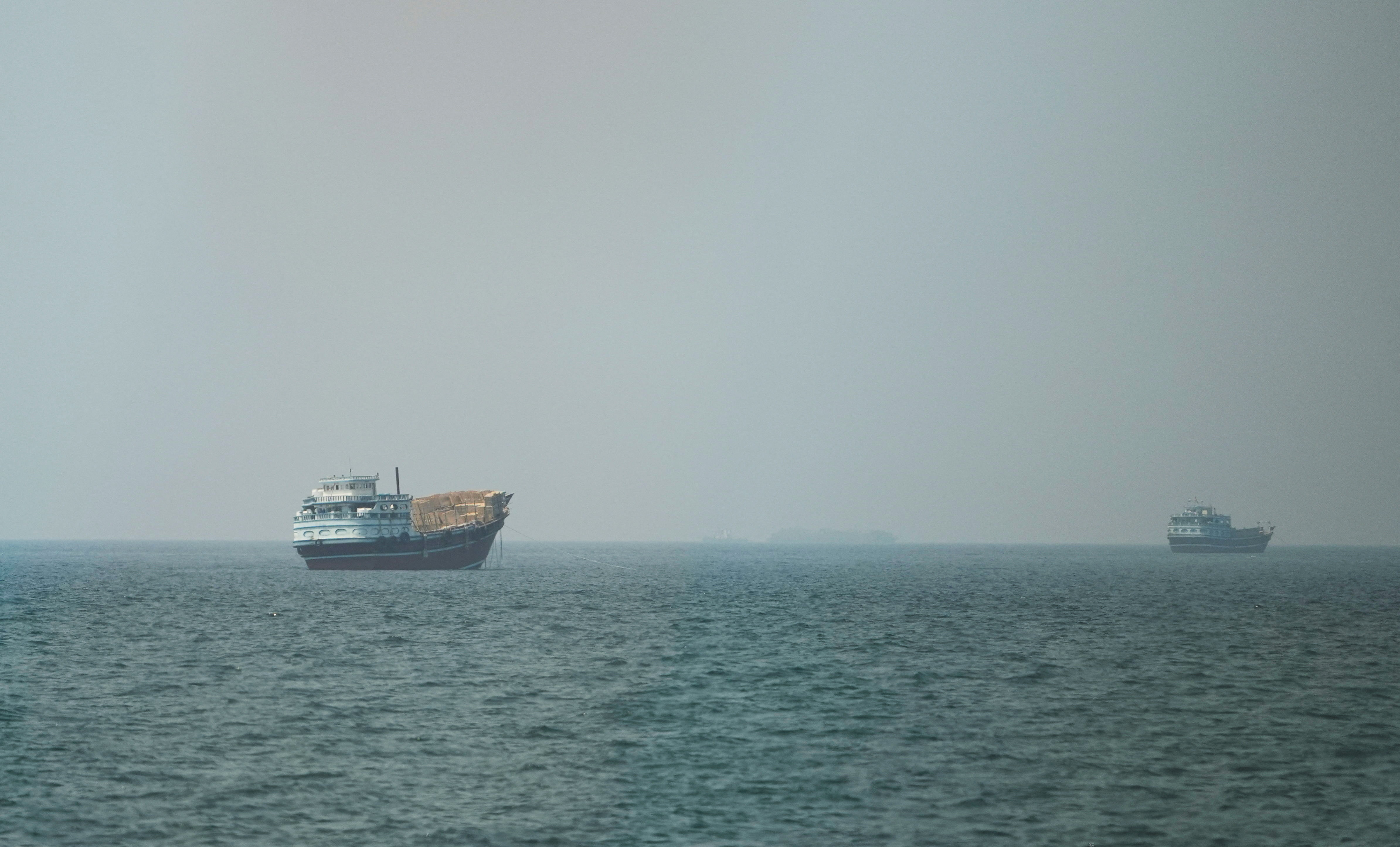
然而,阿曼在與伊朗談判的同時,也與美國磋商,並宣布開放一條沿阿曼海岸通行的航線。
對阿曼來說,這條航線可以讓商船避開伊朗控制較強的水域,維持海上運輸。但在伊朗眼中,阿曼此舉等於配合美國,削弱伊朗在霍爾木茲海峽的影響力。
伊朗隨後開始攻擊使用南部航線的船隻,並進一步宣布全面關閉霍爾木茲海峽。
這也令伊朗與阿曼之間的矛盾變得更加突出。伊朗原本希望阿曼成為共同制定海峽通行制度的合作夥伴,但阿曼獨立開設領海航線後,實際上被德黑蘭視為美國海上部署的一部分。
阿曼努力維持平衡
阿曼長期與伊朗保持良好關係,也是美伊之間最重要的斡旋者之一。過去多年,美國與伊朗之間不少秘密接觸和外交談判,都是經由阿曼促成。
但阿曼同樣不希望與美國正面衝突。面對華盛頓在安全、軍事和經濟方面的壓力,馬斯喀特不得不作出一定妥協。
問題在於,這種試圖左右逢源的外交政策,正令阿曼同時承受來自美伊兩國的壓力。
在阿拉格齊訪問馬斯喀特一天後,伊朗不但攻擊經過阿曼水域的船隻,也襲擊阿曼境內部分地區。這被視為德黑蘭向馬斯喀特發出的直接警告:不要加入美國主導的航運和安全安排。
與此同時,美國也持續向阿曼施壓,甚至警告阿曼,如果繼續與伊朗協調,可能面臨懲罰。特朗普兩個月前更曾威脅,可能對阿曼採取軍事行動。
美國欲奪取海峽控制權
特朗普星期一接受福克斯新聞訪問時表示,美國可能很快控制霍爾木茲海峽,並向使用海峽的國家和企業收取費用。
他說,美軍將摧毀所有與霍爾木茲海峽有關的伊朗軍事力量,最終剝奪伊朗對霍爾木茲海峽的控制能力。
特朗普也已通知美國國會,美國將恢復針對伊朗的軍事行動。他指伊朗違反今年6月簽署的停火協議,並預告美軍將在7月13日星期一晚間及7月14日星期二,對伊朗發動猛烈打擊。
美國還計劃從7月14日晚開始,重新封鎖伊朗港口。
7月12日至13日,美軍已對伊朗南部沿海地區和島嶼發動新一輪襲擊,目標包括阿巴斯港、格什姆島、西里克地區,以及伊朗重要進出口港口賈斯克港。襲擊造成至少一人死亡、兩人受傷。
阿曼或成衝突擴大的突破口
霍爾木茲海峽之爭,已不再只是伊朗與美國之間的軍事較量,也正在考驗阿曼長期奉行的中立和平衡外交。
阿曼既不能完全倒向伊朗,也難以拒絕美國的要求;既希望維持海上航道暢通,又不願成為任何一方的軍事基地或戰略工具。
但隨着美伊衝突持續升級,阿曼可以迴旋的空間正迅速縮小。這個長期扮演美伊「中間人」的海灣國家,如今可能從調停者變成衝突前線,甚至成為下一階段地區局勢是否全面失控的關鍵所在。
以下為英文原文:
Oman Caught Between Iran and the US
By Dr. Haytham Mouzahem*
Geographical and political calculations are intertwined in the Strait of Hormuz, at a time when military tensions are escalating between Iran and the United States over control of this vital international waterway. The Sultanate of Oman finds itself at the heart of a complex equation, linked to its location on the southern bank of the strait. It is negotiating with Tehran regarding new arrangements for the passage of ships, while simultaneously, under US pressure, opening an alternative route within its territorial waters, a move that has angered the Iranians.
The Iranian Foreign Ministry spokesperson stated that the talks held by Foreign Minister Abbas Araqchi with Omani officials in Muscat last Saturday aimed to "reach, in coordination with Oman, a mechanism to guarantee the safe passage of ships through the Strait of Hormuz, but this was not achieved due to overt and covert US pressure on Muscat."
Iran is negotiating with Oman regarding the Strait of Hormuz based on its interpretation of Article 5 of the Memorandum of Understanding with the United States, signed on June 18th. Tehran believes that managing maritime traffic in this Strait falls entirely within its jurisdiction and that it is the sole authority empowered to determine shipping routes, whether through Iranian or Omani territorial waters.
Iran insists that any future arrangements for managing navigation in the Strait of Hormuz must be determined exclusively between itself and Oman, through a bilateral agreement. Therefore, immediately after signing the memorandum of understanding with the US, Tehran initiated negotiations with Muscat to establish a new system for ship passage through the Strait, and they announced the formation of a joint committee for this purpose.
However, Muscat simultaneously entered into negotiations with Washington and announced a shipping route along the Sultanate's coastline. This was unacceptable to Tehran, which began launching attacks last week on ships using the southern route, culminating in its recent announcement of a complete closure of the Strait of Hormuz.
Now, the fundamental dilemma for Iran lies in the fact that Oman, which is supposed to be a partner in formulating the new transit system, has, by announcing an independent route in its waters, become part of the American plan aimed at preventing Tehran from consolidating its influence over the Strait of Hormuz. Oman is trying to balance the pressures surrounding it from all sides. It maintains close ties with Tehran and has for years played a pivotal mediating role between the United States and Iran; however, it does not want a direct confrontation with the United States, which leads it to make concessions to the Americans.
This policy, however, has placed Oman at the center of a target from both sides. Iran targeted ships that transited Omani waters, as well as areas within the Sultanate itself, in a direct warning to Muscat against engaging in American arrangements, just one day after Araqchi's visit to Muscat. Also, Washington is exerting pressure on Oman and is even openly threatening to punish it if it continues its coordination with Iran. Two months ago, Trump threatened a military attack on Oman.
In an interview with Fox News on Monday, Trump said, "The United States may soon take control of the Strait of Hormuz and will receive payment for it." He added, "We will destroy any Iranian military capabilities connected to that strait, and I think that ultimately we will deny them control of it." Trump informed Congress of the resumption of hostilities against Iran, accusing it of violating the ceasefire agreement signed last June. He said that US forces would strike Iran “very hard tonight” (Monday, July 13) and on Tuesday, and that the US would reimpose a blockade on Iranian ports starting Tuesday evening, July 14.
On July 12 and 13, the US military launched new attacks on targets in coastal areas and islands in southern Iran, including Bandar Abbas, Qeshm Island, the Sirik region, and the port of Jask, a major Iranian port for exports and imports, resulting in one death and two injuries.
*Dr. Haytham Mouzahem is a Lebanese researcher and analyst, a senior fellow at NSBRRI – Hong Kong Chu Hai College.
 0
已點過讚
0
已點過讚





評論(0)
0 / 255