







【社評雙語道】完善措施保障公眾道路安全

- 普通話
- 廣東話

- 超大
- 大
- 標準
- 小
原文
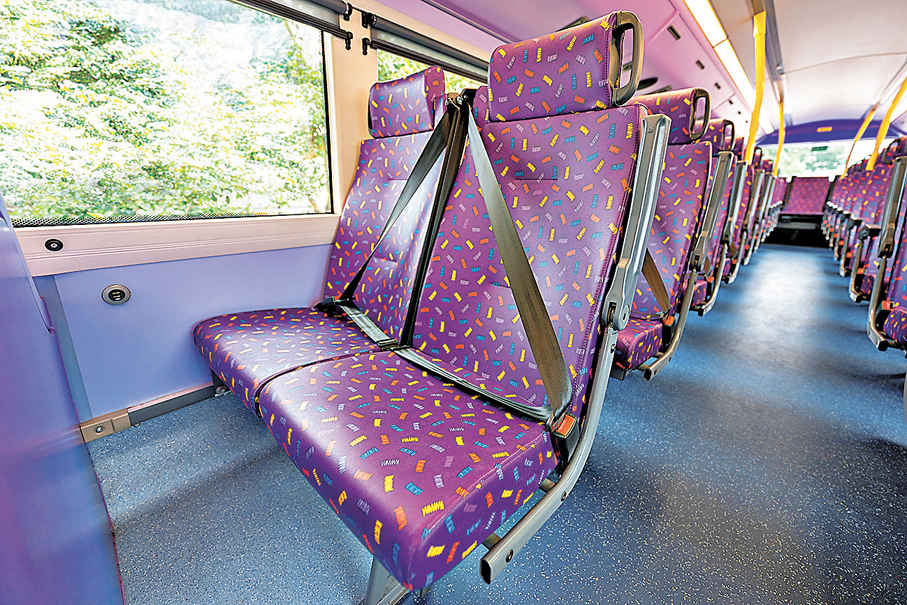
摘錄自1月26日香港《文匯報》:新修訂的《道路交通規例》1月25日生效,明確規定乘客在乘坐巴士、小巴、旅遊巴及貨車等商用車輛時,若座位已裝設安全帶,必須佩戴,違者最高可被罰款5,000元及監禁3個月。此舉旨在提升道路安全,減少交通事故中的傷亡風險,獲得各方支持。然而,政策推行初期難免面臨實際操作上的挑戰與疑慮,政府部門強調現階段以宣傳教育為主,執法將秉持「情、理、法」兼備原則,這種務實而人性化的做法值得肯定。
強制佩戴安全帶絕非無的放矢。根據運輸署資料,佩戴安全帶可降低迎頭相撞事故中乘客死亡風險約四成、重傷風險達七成。2021年沙田校巴衝落單車徑意外中,正因學童均繫上安全帶,全數僅受輕傷,足見其關鍵保護作用。
國際經驗亦顯示,英國、澳洲及新加坡等地早已實施類似法規,成效顯著,香港作為國際都會,理應與國際安全標準接軌,建立安全出行的社會共識。
然而,政策落地不能只靠法例威懾,初期更需考慮現實條件與市民接受度。記者發現,雖然大部分乘客願意配合,但仍有部分人因攜帶行李、身形魁梧或年長體弱等原因,未能順利佩戴安全帶。更有舊款巴士僅在前後排設置安全帶,導致多數座位乘客「想戴無得戴」。這凸顯出配套措施尚未完善,因此初期執法的人性化尤為關鍵。
值得欣慰的是,政府與業界已意識到此問題。運輸署表示正與巴士公司緊密合作,在主要總站加派人員宣導,並透過廣播、海報及電子告示提醒乘客。城巴與冠忠巴士亦積極回應,前者已為約800輛巴士安裝安全帶,後者更計劃推出「Safe GPT」智能平台,運用人工智能分析駕駛行為,從源頭預防事故。這些舉措不僅展現企業社會責任,也為政策順利推行奠定基礎。
長遠而言,強制佩戴安全帶不僅是法例要求,更應成為一種日常習慣與文化。正如當年實施私家車前座乘客及司機須繫安全帶、電單車駕駛者及乘客必須佩戴頭盔等規定,推行初時也曾遭遇阻力,如今已深入人心。
要達至這一目標,政府需把握「教育先行」的黃金窗口期,加強宣傳安全知識,同時加速淘汰舊款巴士,確保所有座位均配備合規安全帶。
此外,亦應考慮優化安全帶設計,例如採用更易操作的扣具、增加調節長度,以照顧特殊群體需求。唯有持續完善硬件配套,深化公眾教育,方能真正培養全民自覺佩戴安全帶的習慣,讓香港的道路更安全、出行更有保障。
按:1月30日,運輸署宣布將以附屬法例形式刊憲,刪除《道路交通(安全裝備)規例》(第374F章)中的相關條文,而相關條文刊憲刪除後,不會有乘客在乘坐專營巴士或非專營巴士時佩戴安全帶的法定要求,至於條文予以刪除前,政府也不會按該條文執法,其他車種包括私家車、的士、貨車、小型巴士、特別用途車輛、學生服務車輛的佩戴安全帶法定要求則繼續生效。政府亦會在完善有關法律條文後,再提交立法會審議。
譯文
Enhancing Measures and Flexible Enforcement to Safeguard Public Road Safety
The newly amended Road Traffic Regulations have officially come into force, mandating that passengers travelling in commercial vehicles—such as franchised buses, light buses, coaches and goods vehicles—must wear seat belts where they are fitted.
Offenders are liable to a maximum fine of HK$5,000 and up to three months' imprisonment. The objective of the amendment is to enhance road safety and reduce the risk of casualties in traffic accidents, and it has received broad support from the community. That said, challenges and concerns in practical implementation are inevitable at the initial stage. Government departments have emphasised that the current focus is on public education, with enforcement guided by the principle of balancing compassion, reason and the law. This pragmatic and people‑centred approach is commendable.
The mandatory wearing of seat belts is by no means arbitrary. According to data from the Transport Department, seat belts can reduce the risk of passenger fatalities in head‑on collisions by around 40 per cent, and the risk of serious injury by as much as 70 per cent.
In the 2021 accident in Sha Tin, where a school bus veered onto a cycle track, all pupils escaped with only minor injuries precisely because they were wearing seat belts, clearly demonstrating their crucial protective function. International experience also supports this measure: countries such as the United Kingdom, Australia and Singapore have long implemented similar regulations with proven effectiveness. As an international metropolis, Hong Kong should align itself with global safety standards and foster a shared social consensus on safe travel.
Nevertheless, effective policy implementation cannot rely solely on legal deterrence. At the initial stage, it is essential to take into account practical constraints and public acceptance. Journalists have observed that while most passengers are willing to comply, some struggle to wear seat belts due to carrying luggage, having a larger build, or being elderly or physically frail. In addition, some older buses are fitted with seat belts only in the front and rear rows, leaving most passengers willing but unable to comply. This highlights shortcomings in supporting facilities, making a humane approach to early enforcement all the more critical.
Encouragingly, both the Government and the transport sector have recognised these issues. The Transport Department has stated that it is working closely with bus operators to deploy additional staff at major termini to promote compliance, while also reminding passengers through broadcasts, posters and electronic displays.
Citybus and Kwoon Chung Bus have responded proactively: the former has already installed seat belts on around 800 buses, while the latter plans to launch an intelligent "Safe GPT" platform that uses artificial intelligence to analyse driving behaviour and prevent accidents at source. These initiatives not only demonstrate corporate social responsibility, but also lay a solid foundation for the smooth implementation of the policy.
In the long run, wearing a seat belt should transition from a legal requirement to a daily habit and culture. Similar regulations—such as compulsory seat belts for private car drivers and front‑seat passengers, and mandatory helmets for motorcycle riders and pillion passengers—also encountered resistance at the outset, yet are now widely accepted.
To achieve the same outcome, the Government must seize the critical window for "education first" by strengthening safety publicity while accelerating the phasing out of older buses to ensure all seats are equipped with compliant seat belts. Consideration should also be given to improving seat belt design, such as adopting more user‑friendly buckles and increasing adjustability to cater for passengers with special needs. Only through continuous enhancement of hardware facilities and sustained public education can a culture of voluntary seat belt use truly be cultivated, making Hong Kong's roads safer and journeys more secure.
●Tiffany
 0
已點過讚
0
已點過讚





評論(0)
0 / 255