






【News Buddy】以色列乾湖救急 海水化淡抗旱首例

- 普通話
- 廣東話

- 超大
- 大
- 標準
- 小
【原文】下文摘錄自8月21日香港《文匯報》︰
全球多地都正面對乾旱威脅,以色列近期也出現水源短缺問題,尤其當地最大淡水湖「加利利海」水位明顯下降,為以色列民生和工業用水拉響警報,為了化解危機,以色列計劃運用高科技,把海水化淡後再輸送回加利利海,以緩和湖水減少情況和維持食水供應,最快明年初開始運作,成為全球首例。
位於以色列北部的加利利海鄰近地中海,是當地最大的淡水湖。除了是北部主要供水來源,亦是著名旅遊勝地。加利利海鄰近約旦和敘利亞,主要水源來自約旦河,水位最近10年持續下降,近兩年冬季下雨較多,情況才稍為改善。然而受到氣候變化及高溫乾旱影響,加利利海水位持續下降,今年更錄得歷史新低。為了讓加利利海恢復正常水位,以色列將運用本身擁有的水資源尖端科技,把海水化淡再送回加利利海,拯救以色列最重要的水源命脈。
當局預計因氣候變化,當地降雨只會持續減少,故此決定實行這項「引海水化淡救湖水」的龐大工程,預計耗資2.64億美元(約20.7億港元),建造全長13公里的地下水管,接上其他基礎設施,最終與以色列國內5個海水化淡廠連接起來。工程預定今年底完工,進行測試後,最快明年第一季運作,除了拯救加利利海免於乾涸見底外,也把它升級為大型水庫,足以應對在氣候變化加劇下、數十年後可能更嚴重的缺水危機。
當局表示在最初數年,每年只會向加利利海注入數百萬立方米化淡海水,長遠可能增加至每年數千萬立方米,維持水位處於警戒水平以下。有以色列工程師表示,「計劃起初看似不可思議,但很快就展現價值所在。」
以色列自建國以來,一直面對天然淡水短缺問題,國土三分之二面積被沙漠覆蓋,年均降雨量僅200毫米,而且嚴重缺乏河流、湖泊等天然淡水資源。過去以色列為了搶奪稀缺的水資源,更曾與約旦等地爆發戰爭。為了解決水資源匱乏問題,以色列早於1997年推行全國性海水化淡總綱計劃,截至現時,全國合共建設5間海水化淡廠,每年生產多達6億立方米食水,佔全國食水總需求多達八成,是全球海水化淡佔食水比例最高的國家。
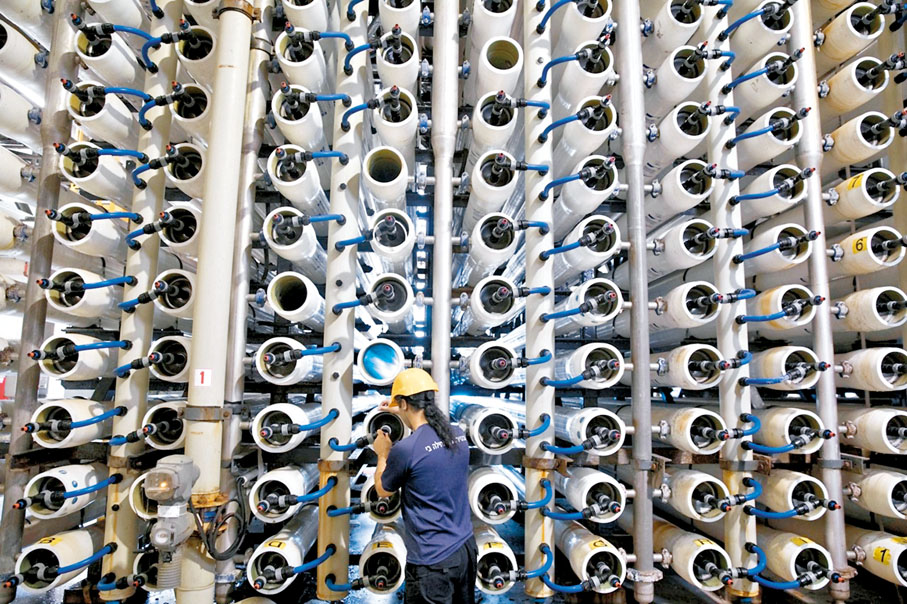
以色列所有海水化淡廠現時均採用先進「逆滲透」技術,利用半滲透膜分離海水中的鹽分,再透過調節酸鹼度、消毒等過程,將海水製成適合飲用的食水。這種技術的優點在於水分回收率高,其中屬於全球規模最大的索萊克海水化淡廠,僅需40分鐘便完成化淡過程,生產每立方米淡水成本更低至約5港元。
除了海水化淡,污水回收亦是以色列另一主要水源,現時以色列污水循環再用量達85%,排行全球首位,雖然經處理的廢水主要用作農業灌溉用途而非飲用,但此舉有助減少耗用珍貴食水,對維持水資源可持續發展,甚至用作綠化周遭環境以減少沙漠化影響,發揮重大作用。
Israel saving dry lake by desalination. First of its kind in the world.
【譯文】Many places around the world are facing the threat of drought. Israel has recently experienced a water shortage, especially the water level of its largest freshwater lake, the Sea of Galilee, which has dropped significantly, raising the alarm for Israel's livelihood and industrial water. Israel plans to use advanced technology to desalinate seawater and then transfer it back to the Sea of Galilee to alleviate the decline of the lake and maintain the water supply, which is the first of its kind in the world.
The Sea of Galilee, located in northern Israel near the Mediterranean Sea, is the largest freshwater lake in the country. In addition to being the primary source of water supply, it is also a famous tourist destination. The water level has been declining for the last ten years and has only improved slightly over the previous two years due to increased rainfall in winter. However, due to climate change, high temperature, and drought, the water level of the Sea of Galilee has been declining and has reached a record low this year. To restore the Sea of Galilee to its normal level, Israel will use its cutting-edge water technology to desalinate seawater and return to the Sea of Galilee, saving Israel's most crucial water lifeline.
The project is expected to cost US$264 million (HK$2.07 billion) and will involve the construction of a 13-kilometre underground water pipeline that will be connected to other existing infrastructure and will eventually link up with five desalination plants in Israel. The project, scheduled to be completed by the end of the year, will operate in the first quarter of next year at the earliest. In addition to saving the Sea of Galilee from drying up to the bottom, it will also upgrade it to an extensive reservoir, which will be sufficient to tackle the water shortage crisis that may become more serious in a few decades under the aggravation of climate change.
The Authority has stated that only a few million cubic meters of desalinated seawater will be injected into the Sea of Galilee yearly in the first few years. The Authority may increase to tens of millions of cubic meters per year in the long run to keep the water level below the alert level. An Israeli engineer said, "The plan seemed unthinkable at first, but it soon became clear where the value lies."
Since its founding, Israel has faced a shortage of natural fresh water, with two-thirds of its territory covered by desert, an average annual rainfall of only 200 millimetres, and a severe lack of natural freshwater resources such as rivers and lakes. In the past, Israel has fought wars with Jordan and other places to seize scarce water resources. To solve the problem of water scarcity, Israel implemented a nationwide desalination master plan as early as 1997. As of today, a total of five desalination plants have been built in the country, producing up to 600 million cubic meters of fresh water each year, and accounting for as much as 80% of the total demand for freshwater in the country, which is the highest proportion of desalination to freshwater in the world.
Israel's desalination plants currently use advanced "reverse osmosis" technology, which uses semi-permeable membranes to separate the salts in seawater. Through processes such as pH adjustment and disinfection, seawater is produced into potable water. The advantage of this technology is the high extraction rate of water. In the world's largest desalination plant in Solec, it takes only 40 minutes to complete the process. The cost per cubic meter of freshwater produced is about HK$5.
Other than desalination, recycling wastewater is another primary source of water in Israel. Currently, Israel ranks first in the world in wastewater recycling at a rate of 85%. Although the treated wastewater is mainly used for agricultural irrigation rather than drinking, it helps reduce the consumption of precious freshwater. It plays a significant role in maintaining the sustainability of water resources and even in greening the surrounding environment to minimise the impact of desertification.◆ 琬琰
 0
已點過讚
0
已點過讚





評論(0)
0 / 255