






【社評雙語道】小巴司機老齡化背後問題須重視解決

- 普通話
- 廣東話

- 超大
- 大
- 標準
- 小
【原文】下文摘錄自8月10日香港《文匯報》︰
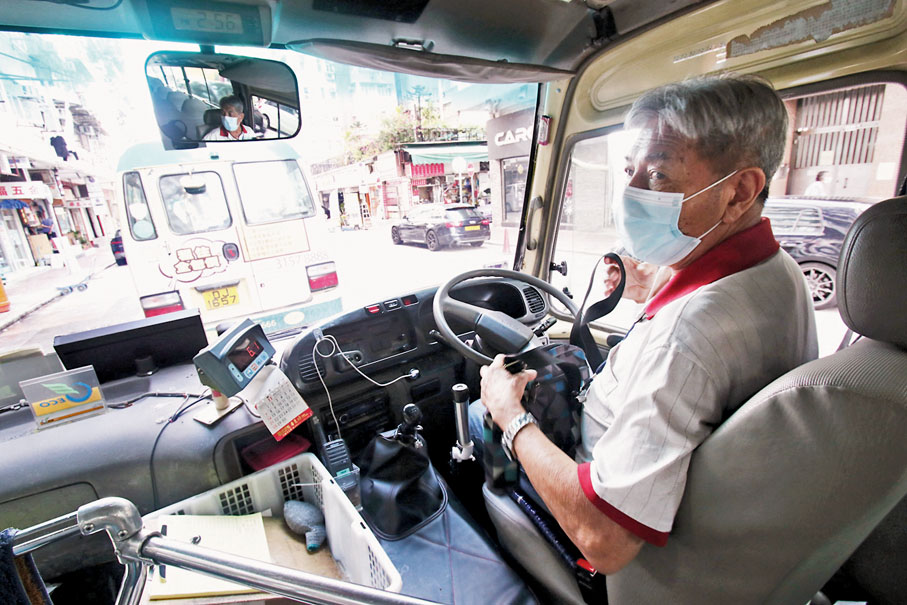
本港人口老化,不少行業出現從業員嚴重老齡化、缺乏新人入行的問題,影響到經濟發展和社會服務質素。當中小巴司機平均年齡達70歲以上,成為一個重災行業,業界向政府爭取將小巴司機納入「補充勞工計劃」,容許營運商聘請外勞以維持營運。其實本港多個行業都面臨從業員老齡化的問題,政府在充分聽取業界意見的同時,有必要主動審視、研究問題背後的深層原因,在優先保護本地勞動市場的前提下,適當平衡為社會提供優質服務的需要。
根據運輸署統計,全港70歲或以上的司機人數,5年間激增八成,其中小巴行內司機的平均年齡竟高達70歲。小巴是為普通市民提供短途、支線接駁交通服務的主力,是香港公共運輸體系不可缺少的組成部分。小巴司機老齡化會衍生眾多問題,一是空缺率高、脫班嚴重,影響對市民的服務承諾;二是高齡司機長時間工作更加容易出現駕駛疲勞,造成嚴重的道路交通安全隱患;第三是容易衍生服務態度和工作表現差的問題,相關投訴數字在過去10年上升逾六成。在種種影響下,小巴又難免會流失乘客、收入減少,出現愈做愈縮、愈來愈沒新人入行的惡性循環。
類似問題並非小巴行業所獨有,隨着整體人口老齡化,本港很多行業都面對從業員老齡化問題;其中部分行業的老齡化問題會嚴重影響基本服務質素,值得政府部門重視和尋求解決之道。根據勞工處的「補充勞工計劃」,在香港經營業務的僱主如確實未能在本港聘得合適人手,可申請輸入屬技術員級別或以下的勞工。現時建築地盤業、珠寶、酒店、電子等行業的個別職位,均在計劃內,可適當引入外勞,但小巴業以至運輸業均不在名單上。業界建議將小巴業納入名單,才能提升服務質素和保住生存空間。
輸入外勞的矛盾,是一方面要優先保障本地勞動市場,另一方面也要滿足社會需要,政府需要具體從每一個行業去審視實際需要。具體在小巴業而言,現時小巴司機人手嚴重不足,個別路線空缺率超五成,適當引入外勞根本不存在影響本地僱員飯碗的問題;加上小巴司機待遇人工本來就不高,業界要為引入的外勞提供住宿,成本較請本地司機更高,希望輸入外勞顯然並不是為了減少僱員薪資支出。小巴既然是關係市民生活的重要基本服務,長期人手短缺造成的諸多弊病就不能不尋求解決辦法,其中適當引入外勞就是一種值得積極探討的方法。
「補充勞工計劃」規定,為保障本地工人的就業機會及薪酬福利,僱主必須優先聘用本地工人,並致力培訓本地工人,以填補職位空缺。但小巴行業式微背後有交通工具發展的大環境,不容易有大的改變。政府有關部門有必要虛心聆聽業界意見,與業界共同商討應對策略,在可行的情況下盡量在政策上作出調整配合,好讓業界健康發展。
Problems behind the aging of PLB drivers need addressing
【譯文】With the aging of population in Hong Kong, problems arise of aging of practitioners in and the lack of entrants to some industries, thus affecting the economic development and the quality of social services. Public light bus (PLB) sector, with the average age of drivers being 70 years or older, has been hit hard and striving for having light bus drivers included in the Supplementary Labour Scheme (SLS), which allows employers to import workers to maintain the operations. In fact, many industries in Hong Kong are facing the problem of aging workers. While the Government is fully listening to the views of the industries, it should take the initiative to examine and study the underlying causes of the problem, so as to strike a proper balance and satisfy the need to provide quality services to the community while giving priority to protecting the local labour market.
According to the statistics of the Transport Department, the number of drivers aged 70 or above in Hong Kong has surged by 80% in five years, with the average age of PLB drivers reaching 70. PLBs are the mainstay of short-haul and feeder transport services for the public and are an integral part of Hong Kong's public transport system. The aging of PLB drivers will lead to many problems: firstly, it leads to high rate of vacancy and of lost trips, affecting the service commitment to the public; secondly, elderly drivers are more likely to suffer from driving fatigue during long working hours, posing serious road safety hazards; thirdly, it easily brings forth poor service attitude and performance, and the number of related complaints has increased by more than 60% in the past 10 years. With all these effects, PLBs inevitably lose passengers and revenue, resulting in a vicious cycle of shrinking business and less entrants to the sector.
Similar problems are not unique to the PLB sector. With the aging of the population, many industries in Hong Kong are facing the problem of aging of their employees. The aging problem in some of these industries seriously affects the quality of basic services, warranting attention from government departments and their search for solutions. Under the SLS of Labour Department, employers carrying on business in Hong Kong may apply to import workers at technical level or below to fill vacancies which they have genuine difficulties in recruiting suitable staff locally. At present, selected jobs in such industries as construction work sites, jewellery, hotel and electronics are included in SLS and can be filled by imported workers. However, PLB sector, or even transport industry, are excluded from SLS. PLB sector has demanded to be included in SLS to enhance its service quality and ensure its survival.
The paradox of importing workers is that on the one hand, priority must be given to protecting the local labour market, and on the other hand, social needs must also be met. The government should concretely examine the actual needs of each industry. Specifically, in the PLB sector, there is currently a severe shortage of drivers, with vacancy rate of over 50% on individual routes, so appropriate importing of workers will not affect the employment of local workers. Moreover, the purpose of importing workers is not to reduce salary expenses, as employers need to provide accommodation to imported workers, thus causing higher expenses than employing local drivers. Since PLBs are an important basic service for people's livelihood, we cannot help but look for solutions to the many problems caused by the chronic shortage of manpower, among which the appropriate importing of workers is a method worth active exploration.
SLS stipulates that, to safeguard the employment opportunities for as well as salaries and benefits of local workers, employers must accord priority to filling available job vacancies with local workers, and take active efforts to train local workers for the vacancies. However, the decline of PLB sector happened in the broad environment of transport development, and will not change significantly. Concerned government departments should listen to the views of the sector with an open mind, discuss with them on strategies to cope with the situation, and make policy adjustments as far as practicable to facilitate the healthy development of the sector.◆ Kevin Cheung (CUSCS Lecturer)
 0
已點過讚
0
已點過讚





評論(0)
0 / 255