






【News Buddy】智慧用水一小步 減碳排放一大步

- 普通話
- 廣東話

- 超大
- 大
- 標準
- 小
【原文】下文摘錄自11月4日香港《文匯報》︰
氣候危機(climate crisis)迫在眉睫,社會討論如何減排之時,民眾日常生活亦有入手之處。其中日常用水在碳排放(carbon emission)中其實佔一定分量,從洗衣、洗碟、洗澡,只要涉及用水便會造成排放。不過用水涉及個人和環境衞生,要用得更環保,亦不能一味節省,而是應由小細節入手改善,如降低水溫、換花灑頭(shower head)、自然風乾(air-dry)衣物等,積少成多便能大減排放量。
日常生活中需要使用能源的地方不少,特別是將水加熱,而每當使用能源便涉及碳排放,以英國為例,如果家中使用煤氣熱水爐(gas boiler),加熱水便會造成全屋約46%碳排放,同時洗碗機(dishwasher)亦佔17%、洗衣機(washing machine)佔11%,在各種數據累積下,全國碳排放中有6%是來自用水。在美國所有家庭碳排放中,亦有8%來自洗衣;此外輸送、處理、以及使用水均需動用能源,相關程序每年在美國便造成近2.9億公噸碳排放,相當於全國5%排放量。
退休前在英國工作的蘭伯特(Jackie Lambert),現時和丈夫長居於旅行拖車(caravan)上四處遊歷,她提到最大限制就是用水,通常要自行在露營地點注滿車上的40公升水箱,而40公升水其實非常快就用完,讓她更注意用水的細節。以洗衣為例,她目前使用的是一種可攜式、有兩個水缸的洗衣機,需要自行注水、排水,如果用完的水不算骯髒,她更會重用。
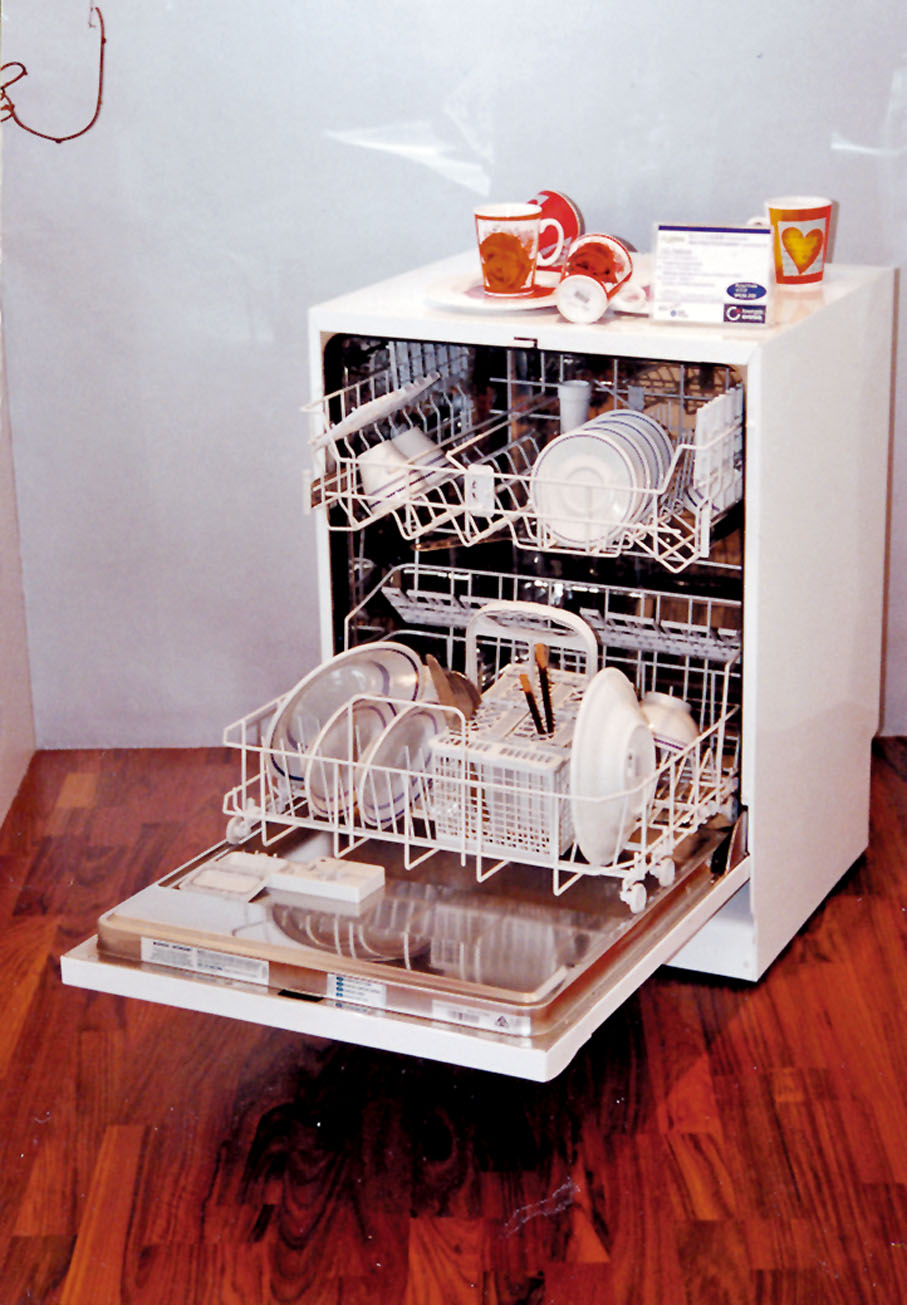
類似的生活模式未必適合所有人,不過仍有減排的方式。相較雪櫃(refrigerator)、冷氣機(air-conditioner)等白色家電(white-goods),廚房帶來的用水相關碳排放其實佔比最多,以一個英國家庭為例,光是讓廚房有自來水用,每年便會造成約157公斤碳排放。改用洗碗機可大幅減排,美國2019年一份研究估計,可較手洗減少達72%碳排;即使沒有洗碗機,改以儲水、而非長開水喉方式洗碗,每年亦可減排約666公斤,相同邏輯亦適用於洗車等其他物品。
在洗衣方面,最耗能的(energy-consuming)程序則非使用乾衣機莫屬,根據美國亞利桑那州大學(Arizona State University)學者在2009年統計,全國家庭碳排放中,有5.8%是來自乾衣。學者提出,只要改用較低水溫洗衣,配合風乾的方式乾衣,相較以60度水溫洗衣、再以乾衣機(washer-dryer)乾衣,每次碳排放量可降低近3公斤。此外前置式洗衣機(front-loading washing machine)亦較上蓋式洗衣機(top-loading washing machine)更省水省電,據同一份報告估計,只要將全美約25%上蓋式洗衣機換成前置式,便可減排5%。
淋浴(showering)向來是較浸浴(bathing)更環保的洗澡方式,不過更換花灑頭亦是減排方式之一,如選用手動調節水溫的花灑、而非電動恒溫花灑,每年便可減排100公斤。
有時環保不代表不方便,如英國阿伯里斯特威斯大學(Aberystwyth University)的低碳經理桑頓(Judith Thornton)提到,疫情下人們更常洗手,想必留意到有時雖然開熱水,但直到洗完手都仍未有熱水;其實只要改裝較幼身的水管(pipe)、或以效益更高的方式裝設,便可縮短等熱水的時間,能源效益(energy efficiency)亦更高。同時洗手本身其實並不需要使用熱水,以新冠病毒(Covid-19 coronavirus)為例,水溫需達最少攝氏56度才能殺死病毒。
英國蘭開斯特大學(Lancaster University)社會學家肖夫(Elizabeth Shove)指出,每個人都有自己的用水方式,牽涉科學、道德、公共投資、商業、經濟、工作等不同因素,故沒有任何一套用水方式會適合所有人。政府提供用水效益標籤(water efficiency label)等制度,便能協助民眾作出更環保決定,據英國關注組織「智慧用水」(Waterwise)所指,如果英國政府強制實施用水效益標籤,目標是每人每日只有85公升水,25年間便可減排5,590萬噸,相當25年間近100萬架車輛的排放量。
A small step of smart water use takes a significant step towards reduction of carbon emissions
【譯文】While the society is discussing how to reduce emissions, people in their daily lives could also play a part in combating the imminent climate crisis. Surprisingly, domestic water use accounts for a certain amount of carbon emissions, and emissions would be caused so long as we do our laundry, dish washing and bathing. However, water use involves personal and environmental hygiene, and water saving is not the only way to make water use more environmentally friendly. Instead, this could be addressed through small details, such as reducing water temperature, changing shower heads and air-drying clothes, with an aim to reduce emissions.
Energy is an essential part in our daily lives, and it is widely used particularly for heating up water. Whenever energy is used, carbon emissions would be involved. For example, in the U.K., heating water by a gas boiler accounts for about 46% of the household emissions, while 17% come from using dishwashers, and 11% from washing machines. Basing on the sum of various data, water use makes up 6% of the national carbon emissions. In the U.S., laundry alone accounts for 8% of all residential-sector carbon emissions, and the energy used to move, treat and use water in the country produces nearly 290 million metric tonnes of carbon dioxide (CO2) annually, equivalent to 5% of the nation's overall carbon emissions.
Jackie Lambert, who worked in the U.K. before retirement and now moves into a caravan with her husband to travel around, mentioned that the biggest challenge when caravanning was water use. The couple typically fill 40-litre water carriers at caravan sites, which would be used up quickly, making her particularly conscious of how water is used. Take laundry as an example, she now uses a portable twin tub washing machine which water needs to be filled and drained manually, and she usually re-uses rinse water for the next wash if it is clean enough to do so.
Similar lifestyles may not be suitable for everyone, but there are still ways to reduce emissions. Compared with large white-goods such as refrigerators and air-conditioners, kitchen is actually the source of the most water-related carbon emissions in the home. Take a typical British family as an example, just keeping the kitchen tap running leads to approximately 157kg of CO2 per year. Surprisingly, using a dishwasher would significantly reduce emissions. A 2019 study of the U.S. showed that emissions can be cut by 72% compared with dishwashing by hand. Even if dishwasher is not available, using a bowl for washing up, rather than a running tap, could save about 666kg of CO2 over the course of a year, while the same logic applies to other items such as cars.
As for laundry, the most energy-consuming process is drying clothes off. In accordance with the statistics of researchers at Arizona State University in 2019, about 5.8% of residential-sector CO2 emissions in the U.S. come from drying. Compared with washing clothes at 60℃ then drying in a washer-dryer, lowering the temperature of the wash, combined with air-drying, would reduce carbon footprint by nearly 3kg each time. In addition, front-loading washing machine is found to be more water-saving and energy-efficient than top-loading washing machine. According to the same report, it is estimated that replacing 25% of the U.S. top-loading washing machines with front-loading ones would help cut 5% of CO2 emissions.
In terms of washing ourselves, showering has always been more environmentally friendly than bathing, but replacing shower heads is also a way to reduce carbon footprint. For example, choosing a shower with manual water temperature adjustment rather than an electric shower produces 100kg less CO2 per year.
Sometimes the lower-carbon option does not necessarily mean that it is inconvenient. For example, Judith Thornton, a low carbon manager at Aberystwyth University in the U.K., mentioned that people wash their hands more often during the pandemic, but it is very often that hot water is still not available until people have finished washing their hands. In fact, as long as narrower pipes are installed in a more efficient way, shorter waiting time for hot water as well as higher energy efficiency can be achieved. Also, people don't necessarily need hot water to clean their hands properly. Take the Covid-19 coronavirus as an example, it would actually require water temperatures at a minimum level of 56℃ to kill the virus.
Elizabeth Shove, a sociologist at Lancaster University in the U.K., said that individual water-use decisions would not be one-size-fits-all as many factors are involved, including science, morality, public investment, commercial provision, the economy and working hours, while the government's provision of water efficiency labels and other systems would definitely help people make better decisions. According to the concern group "Waterwise", if the U.K. government adopts a mandatory water label associated with a target of 85 litres per person per day, CO2 emissions could be cut by 55.9 million tonnes over 25 years, equivalent to the emissions of nearly a million cars during that period.●龐嘉儀
 0
已點過讚
0
已點過讚





評論(0)
0 / 255