







天下觀察 | 一塊頭巾撕開「兄弟情」?土耳其與阿塞拜疆為何突然翻臉

- 普通話
- 廣東話

- 超大
- 大
- 標準
- 小
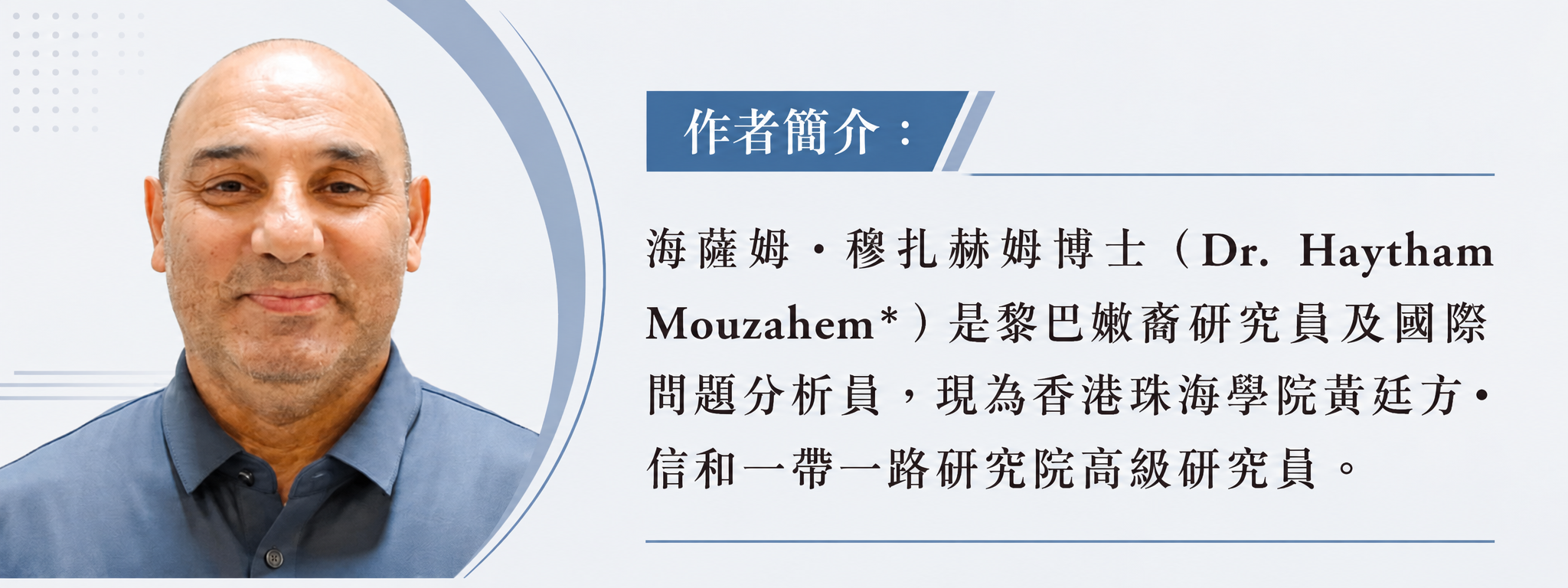
文/海薩姆·穆扎赫姆博士
中文編譯及改寫/香港文匯報記者 胡恬恬
「一個民族,兩個國家」(One Nation, Two States)——這句口號長期以來被用來形容土耳其與阿塞拜疆之間特殊而緊密的關係。
兩國同屬突厥語族文化圈,在歷史、民族認同、能源和軍事安全等領域保持密切合作。土耳其更一直是阿塞拜疆最重要的戰略盟友之一。
然而,這對曾經以「兄弟」相稱的國家,如今卻陷入數十年來罕見的外交緊張局面。
而點燃這場危機的導火線,竟然是一塊頭巾。
阿塞拜疆近期收緊公立學校的服裝規定,實際上限制學生和教師佩戴伊斯蘭頭巾,引發國內外爭議。土耳其執政黨及保守派人士公開批評,阿塞拜疆則強硬回應,認為安卡拉無權干涉其內政。
隨着爭議升級,雙方的矛盾逐漸超出宗教自由和校園服裝規定,延伸至以色列、亞美尼亞及地區權力格局等問題。
這場外交風波真正揭示的,或許是阿塞拜疆已不再願意扮演土耳其身邊的「小兄弟」。
一塊頭巾,為何引發兩國外交風波?
阿塞拜疆是一個穆斯林佔人口多數的國家,其中什葉派穆斯林佔較大比例,但國家政治制度奉行世俗主義。
這種世俗主義傳統,與土耳其現任總統埃爾多安領導下的宗教保守主義政治路線存在明顯差異。
2026年9月21日,阿塞拜疆內閣通過修訂公立普通教育機構的校服規定。
新規並未直接提及伊斯蘭頭巾,但禁止學生穿戴與核准校服不符,或被認為違反世俗教育原則的服裝及配飾。
10月12日,相關規定開始實施後,陸續出現佩戴頭巾的女學生被拒絕進入學校的情況,限制其後亦涉及佩戴頭巾的教師。
有關影片在網絡流傳,引發阿塞拜疆國內及土耳其社會的強烈反應。
根據原稿引述路透社的報道,阿塞拜疆內政部曾宣布,因反對相關措施的抗議活動拘捕37人。
對阿塞拜疆政府而言,校園服裝規定是維護世俗教育制度的一部分。
但對許多穆斯林家庭來說,佩戴頭巾並非單純的服裝選擇,而是宗教信仰和個人身份的重要表達。
當一名女學生必須在「遵守宗教信仰」與「繼續接受教育」之間作出選擇,問題便不再只是校服應該如何設計。
它觸及的是國家權力與個人宗教自由之間的界線。
同樣是世俗國家,土耳其為何反應如此強烈?
土耳其與阿塞拜疆在宗教政策上的分歧,其實由來已久。
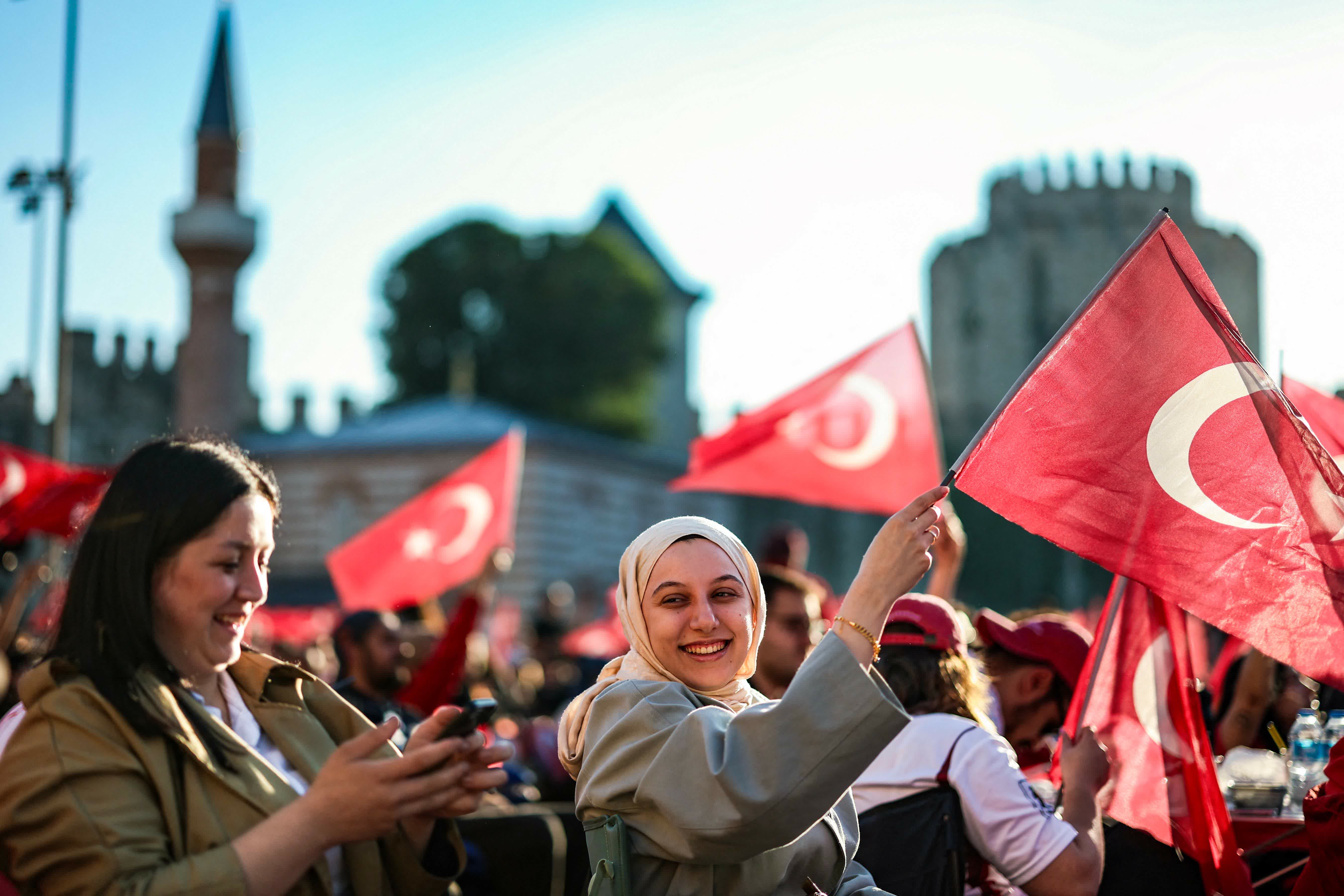
土耳其本身也是世俗共和國,但埃爾多安領導的正義與發展黨(AKP),多年來一直推動解除過去對公共機構佩戴伊斯蘭頭巾的限制。
在土耳其保守派眼中,女性能否在學校和公共場所佩戴頭巾,是宗教自由的重要象徵。
阿塞拜疆如今反過來收緊校園頭巾規定,自然引起土耳其保守派的不滿。
埃爾多安的顧問薩拉爾(Oktay Saral)公開批評阿塞拜疆的做法,認為禁止佩戴頭巾的女學生入校不可接受,並呼籲當局撤回相關決定。
但阿塞拜疆執政的新阿塞拜疆黨隨即作出強硬回應,批評土耳其政治人物干涉阿塞拜疆內政,強調教育政策屬於國家主權範圍。
雙方的爭議因此迅速升級。
土耳其認為自己是在捍衛宗教自由,阿塞拜疆卻認為對方正在干涉其國家治理。
而這恰恰反映了兩國政治理念的根本差異。
阿塞拜疆長期採取較嚴格的世俗主義模式,政府傾向將公開展示宗教保守主義視為可能影響國家安全及政治穩定的因素。
相比之下,埃爾多安政府在國內及外交政策上,更強調伊斯蘭文化和宗教身份。
當兩種政治理念發生碰撞,即使兩國有共同的民族文化背景,也難以避免摩擦。
世俗主義,是否意味着可以限制宗教自由?
阿塞拜疆憲法第18條確立國家及公共教育的世俗性,第48條則保障良心與信仰自由。
問題並不在於國家是否應該奉行世俗主義,而在於世俗主義應該如何理解和實施。
世俗主義的核心,本應是國家對不同宗教保持中立,而不是讓宗教差異成為限制公民權利的理由。
如果一名學生僅因佩戴宗教頭巾,便被拒絕接受教育,那麼這種做法是否符合宗教自由與平等原則,便值得進一步討論。
爭議中還出現另一個敏感問題:不同宗教的象徵,是否受到同等對待?
社交媒體上有人指控,阿塞拜疆允許猶太人佩戴傳統小圓帽(Kippah),卻禁止穆斯林女性佩戴頭巾。
不過,這些說法仍屬網絡流傳的指控,不能直接視為已經證實的制度性差別待遇。
真正需要討論的是,國家在制定宗教服飾規則時,是否採用一致而公平的標準。
猶太社群有權在其宗教及社區生活中實踐信仰,穆斯林同樣應享有相應的宗教自由。
如果世俗主義被用來保護國家中立,那麼它也應該保護不同信仰者免受不合理限制。
另一道裂痕:土耳其反以色列,阿塞拜疆卻與以色列密切合作
頭巾爭議只是導火線。
土耳其與阿塞拜疆之間更深層的分歧,還涉及以色列。
加沙戰爭爆發後,土耳其政府對以色列採取強硬立場,在外交及經濟層面持續施壓。
但阿塞拜疆的選擇截然不同。
巴庫與以色列長期保持密切的軍事、能源及戰略合作關係。
阿塞拜疆從以色列採購先進軍事裝備,同時也是以色列的重要石油供應國之一。
這種合作對阿塞拜疆的國家安全具有重要意義,尤其是在與亞美尼亞長期對抗的背景下,以色列軍事技術一直是阿塞拜疆的重要資源。
然而,在土耳其保守派眼中,阿塞拜疆一方面強調與土耳其的民族兄弟情誼,另一方面卻繼續與以色列維持緊密合作,難免產生矛盾。
原稿指出,近期巴庫舉行的一場國際會議,更使這種分歧公開化。
部分土耳其保守派媒體批評阿塞拜疆與以色列合作,而土耳其外長費丹(Hakan Fidan)在以色列總統赫爾佐格發言期間離場,也被視為雙方政治立場分歧的象徵。
這反映出一個重要現實:
土耳其與阿塞拜疆雖然是戰略盟友,但兩國對以色列的政策,首先服務的仍然是各自的國家利益。
民族情誼並不意味着外交立場必須完全一致。
阿塞拜疆不想再當「小兄弟」
如果說頭巾問題反映的是意識形態衝突,以色列問題反映的是外交路線分歧,那麼兩國關係真正發生變化的原因,則可能在於阿塞拜疆自身實力和國際地位的提升。
2020年至2023年間,阿塞拜疆通過軍事行動重新控制納戈爾諾-卡拉巴赫地區。
這一結果大幅改變了南高加索地區的力量平衡。
與此同時,阿塞拜疆憑藉能源出口及通往歐洲的天然氣供應路線,逐漸提升了自身的地緣政治影響力。
在總統阿利耶夫(Ilham Aliyev)眼中,阿塞拜疆已不再是一個需要依賴土耳其保護的小國,而是一個具有獨立外交能力的區域力量。
因此,巴庫對來自安卡拉的政治批評愈來愈敏感。
特別是當土耳其政治人物公開批評阿塞拜疆國內政策時,巴庫更傾向將其視為一種居高臨下的政治干預。
原稿指出,隨着頭巾爭議升級,阿塞拜疆禁止31名土耳其知名人士入境,包括新福利黨領袖埃爾巴坎(Fatih Erbakan)及多名與土耳其執政黨關係密切的記者。
此外,阿塞拜疆還對7名被指涉嫌煽動推翻政府的土耳其公民發出國際逮捕令。
這些措施表明,巴庫已不再願意默默承受來自土耳其的政治壓力。
阿塞拜疆希望土耳其把自己視為平等的主權國家,而不是需要接受指導的「弟弟」。
亞美尼亞問題:昔日共同立場,也開始出現分歧
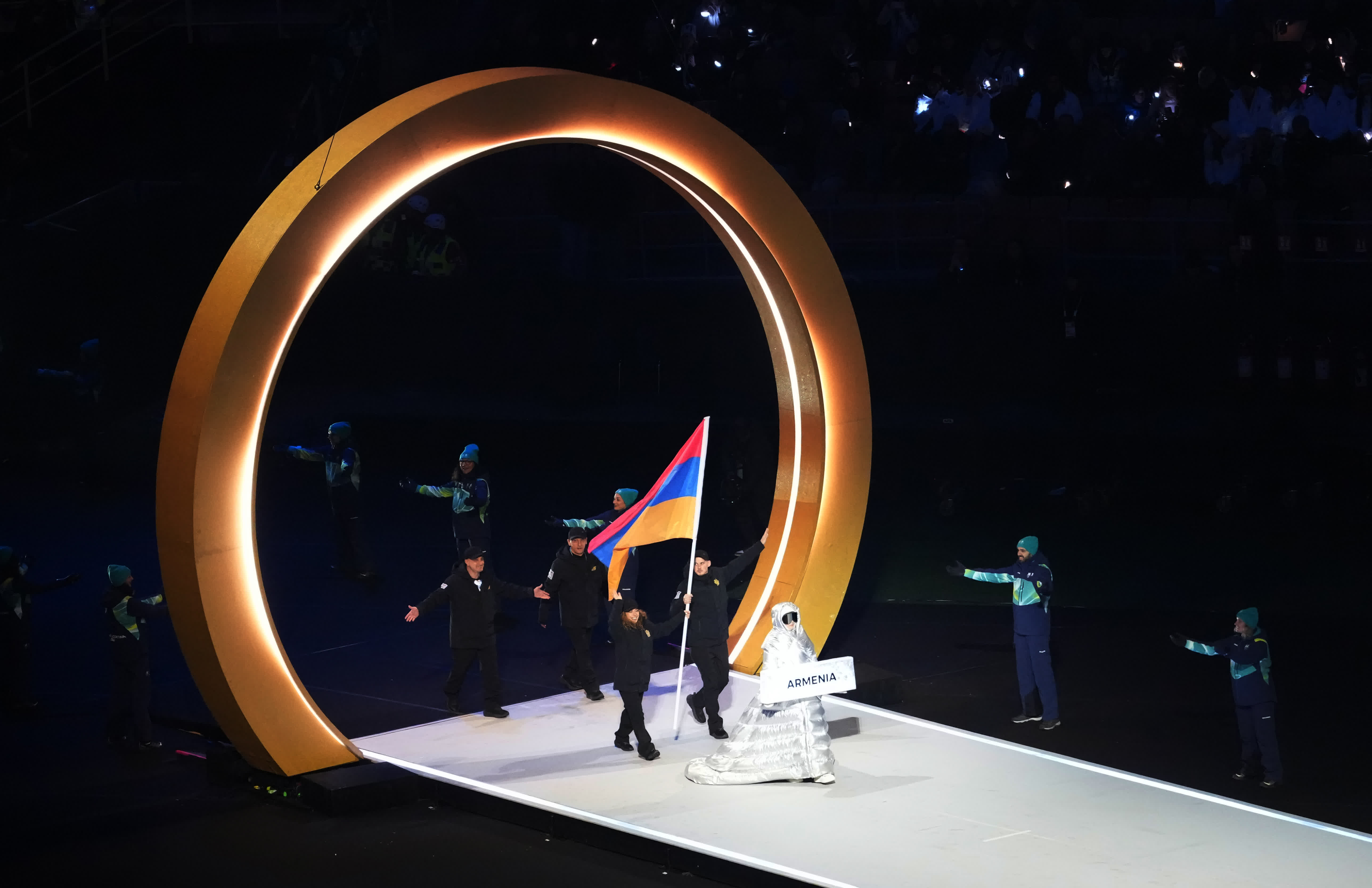
除了宗教與以色列問題,亞美尼亞也是兩國關係中的另一個敏感因素。
長期以來,土耳其一直在納卡問題上支持阿塞拜疆。
但隨着南高加索地區局勢變化,安卡拉與巴庫對亞美尼亞關係正常化的時間表,開始出現不同考量。
土耳其希望加快與亞美尼亞恢復外交及經濟往來,藉此促進區域貿易和交通聯繫。
對安卡拉而言,改善與亞美尼亞的關係,有助於打開新的經濟通道,提升土耳其在南高加索的區域影響力。
但阿塞拜疆認為,土耳其不應在巴庫與埃里溫達成全面和平協議之前,單方面推進關係正常化。
其中,贊格祖爾走廊(Zangezur Corridor)的開通安排,更是阿塞拜疆高度重視的條件。
這條交通走廊涉及阿塞拜疆本土與其飛地納希切萬之間的連接,對區域運輸、能源及地緣政治布局具有重要意義。
因此,兩國雖然都希望南高加索地區更加穩定,但對如何實現穩定,以及誰應掌握談判節奏,卻未必完全一致。
這種分歧再次說明:
土耳其與阿塞拜疆可以擁有共同的戰略目標,卻不一定擁有相同的外交優先次序。
阿利耶夫缺席峰會,釋放什麼信號?
在兩國關係持續緊張之際,阿塞拜疆總統阿利耶夫的一個決定引發外界關注。
10月30日,阿利耶夫沒有出席在安卡拉舉行的突厥國家組織峰會,儘管此前已收到埃爾多安的親自邀請。
阿塞拜疆最終由外長巴伊拉莫夫(Jeyhun Bayramov)代表出席。
在兩國長期強調民族團結和戰略兄弟關係的背景下,這一缺席具有一定象徵意義。
原稿亦指出,埃爾多安為了緩和爭議,已撤換此前公開批評阿塞拜疆世俗政策的顧問薩拉爾。
但即使土耳其方面作出讓步,雙方關係仍然顯得冷淡。
這表明,當前危機已經超越某一名政治人物的言論爭議。
它反映的是兩國對彼此角色、權力和主權界線的重新認識。
「一個民族,兩個國家」的時代結束了嗎?
儘管近期爭議激烈,我認為土耳其與阿塞拜疆完全決裂的可能性仍然很低。
兩國之間的經濟、安全和能源合作已經形成深厚的相互依賴。
其中,跨安納托利亞天然氣管道(TANAP)對阿塞拜疆能源出口及土耳其能源戰略都具有重要意義。
兩國還維持大量軍事合作及國防合約。
這些共同利益,不會因為一場頭巾爭議而輕易消失。
但這不代表兩國關係可以毫無改變地回到過去。
2026年的這場外交危機,可能標誌着土耳其與阿塞拜疆關係進入一個新的階段。
過去,「一個民族,兩個國家」強調的是歷史、文化和民族認同上的特殊情誼。
如今,雙方愈來愈清楚地表明,即使是最親密的盟友,也必須尊重彼此的政治制度、外交選擇和國家利益。
阿塞拜疆不願再被視為土耳其的附屬夥伴。
土耳其則需要適應一個更加自信、更加獨立的阿塞拜疆。
頭巾問題讓這些長期存在的矛盾浮上水面,以色列與亞美尼亞問題則進一步加深了裂痕。
因此,真正值得關注的,並不是兩國會否因為一塊頭巾而分道揚鑣。
而是:
當「兄弟情誼」遇上國家利益,土耳其與阿塞拜疆還能否找到一種真正平等的相處方式?
「一個民族,兩個國家」的口號或許仍會繼續存在。
但在這句口號背後,兩國的關係正逐漸由理想化的民族兄弟情誼,轉向更加現實、更加強調各自利益的戰略夥伴關係。
這或許才是這場外交危機最深遠的意義。
以下為英文原文:
A severe and unexpected diplomatic crisis has fractured the historic alliance between Turkey and Azerbaijan. Long united under the foundational slogan "One Nation, Two States," the two geopolitical allies are facing their deepest diplomatic strain in decades. Driven by structural ideological clashes regarding the hijab ban in Azerbaijan schools, conflicting foreign policies regarding Israel and Armenia, and Azerbaijan’s fierce rejection of what it perceives as Turkish political tutelage, the rift exposes deep-seated divisions beneath their traditional strategic brotherhood.
- The Ideological Clash: Radical Secularism vs. Political Islam
The catalyst for the current crisis was Azerbaijan's decision to enforce strict school uniform regulations that effectively ban the hijab and other religious symbols in public schools. Videos of veiled students and teachers being barred from state schools in Baku triggered an immediate backlash in Turkey. For Turkey's ruling AK Party (AKP), which spent decades dismantling domestic headscarf bans, Azerbaijan's move was viewed as an offensive rollback of Islamic identity.
It is worth noting that Azerbaijan operates under a rigid, French-style model of secularism (laïcité), viewing public displays of religious conservatism as a direct threat to its national security. Turkey, conversely, has championed a conservative, pan-Islamic foreign policy that frequently clashes with Baku’s secular governance.
- The Israel Dilemma
Baku’s deep strategic, economic, and military relationship with Israel has emerged as a major point of public contention. While Turkey has maintained a fierce diplomatic and economic offensive against Israel over the war in Gaza, Azerbaijan continues to import advanced Israeli military hardware and remains a primary supplier of oil to Tel Aviv.
Tensions boiled over during a recent international conference in Baku. Conservative Turkish media accused Azerbaijan of "complicity" with Israel, a sentiment worsened when Turkish Foreign Minister Hakan Fidan visibly walked out during a speech by Israeli President Isaac Herzog.
Following its total military reclamation of the Nagorno-Karabakh region between 2020 and 2023, alongside its growing leverage as a European energy hub, Azerbaijan's geopolitical self-image has shifted. Azerbaijani President Ilham Aliyev increasingly views his country as an independent, medium-sized regional power. Baku now firmly rejects any patronizing rhetoric from Ankara, Azerbaijan is no Longer the "Little Brother".
In retaliation to Turkish interference over the hijab policy, Azerbaijan took the unprecedented step of banning 31 prominent Turkish figures from entering its territory—including New Welfare Party leader Fatih Erbakan and various AKP-affiliated journalists. Furthermore, Baku has issued international arrest warrants for seven Turkish citizens accused of inciting an overthrow of the Azerbaijani government.
Friction Over Armenia Normalization
A final wedge in the alliance involves differing diplomatic timelines regarding Armenia. Turkey has sought to accelerate economic and diplomatic normalization with Yerevan to secure regional trade benefits. However, Azerbaijan strictly opposes any unilateral Turkish-Armenian rapprochement until a comprehensive peace treaty is signed entirely on Baku's terms—specifically including the unhindered opening of the Zangezur Corridor.
In an attempt to contain the damage, Turkish President Recep Tayyip Erdogan dismissed his chief advisor, Oktay Saral, who had publicly lambasted Azerbaijan’s secular policies. Despite this concession, the underlying coldness remains apparent; President Aliyev notably skipped the recent Organization of Turkic States (OTS) summit in Ankara.
While a total rupture in relations is highly unlikely due to massive shared economic and security dependencies—such as the vital Trans-Anatolian Natural Gas Pipeline (TANAP) and hundreds of millions of dollars in joint defense contracts—the 2026 crisis marks a permanent shift. The idealized concept of "One Nation, Two States" has given way to a transactional partnership between two distinct, self-interested sovereign entities.
The debate over the hijab
The debate in Azerbaijan over the hijab is no longer a mere disagreement over school dress codes; it has turned into an issue that transcends the boundaries of educational institutions to raise deeper questions about the nature of the secularism adopted by the state, the limits of the authorities' intervention in religious expression, and the extent of their commitment to the principle of equality among followers of different beliefs.
In a country with a Muslim majority, in which Shia Muslims constitute the largest proportion of Muslims, the restrictions imposed on wearing the hijab within public schools have sparked a wave of objections, after female students and teachers found themselves facing a difficult choice: adhere to their religious convictions or face being deprived of education and work.
The issue took a more severe turn after the Azerbaijani Cabinet of Ministers issued a decision on September 21, 2026, amending school dress code rules in public general education institutions.
Although the decision did not explicitly mention the hijab, it prohibited wearing any clothing or accessories that conflict with the approved school uniform or with what it described as the principle of secular education.
With the start of the application of the amendments on October 12, cases emerged of hijab-wearing female students being prevented from entering schools, before the measures extended to teachers wearing the hijab, which sparked protests and criticism inside the country and abroad.
The repercussions were not limited to public objections, as the Ministry of Internal Affairs announced the arrest of 37 people in connection with protests over the decision's implementation, according to Reuters.
The Azerbaijani authorities adhere to the state's secular character, relying on the constitution, which separates religious institutions from governing institutions and affirms the secular character of public education.
However, the problem lies not in adopting secularism per se, but in how it is interpreted and applied. Article 18 of the Azerbaijani Constitution establishes the secular character of the state and education, while Article 48 guarantees freedom of conscience and belief.
Secularism in its essence is supposed to protect the state's neutrality toward religions, not to make religious difference a reason for restricting citizens.
Double standards
Among the most sensitive points in this debate is the issue of dealing with different religious symbols and what is raised regarding an alleged disparity in the application of the rules to Muslims, Jews, and followers of other religions.
Social media platforms have circulated accusations claiming that Jews are allowed to wear the religious skullcap (kippah) while the Islamic hijab is banned.
Likewise, the freedom of Jewish communities to practice their religious rituals within their communal and religious frameworks should be respected and protected, just as the freedom of Muslims to practice their rituals should be respected.
The restrictions on the hijab drew criticism from Turkish political figures, including Oktay Saral, an adviser to President Recep Tayyip Erdogan, who considered preventing hijab-wearing female students from entering schools unacceptable and called on the Azerbaijani authorities to reverse the decision.
In contrast, the ruling New Azerbaijan Party responded by criticising the Turkish statements, considering them interference in the country's internal affairs and stressing that educational decisions are a sovereign Azerbaijani matter.
Tensions escalated with an exchange of criticisms between the two sides, culminating in a notable development on October 30, when Azerbaijani President Ilham Aliyev was absent from the summit of the Organisation of Turkic States hosted by Ankara despite having received a personal invitation from Turkish President Recep Tayyip Erdogan, and Azerbaijan was represented there by its Foreign Minister Jeyhun Bayramov.
Although the disagreements between the two countries are not limited to the hijab file but also relate to other political and regional differences, the crisis revealed a crack in the discourse between two allies accustomed to emphasising the strength of their relationship, and showed that the religious freedoms file has become present in the calculations of the bilateral relationship.
 0
已點過讚





評論( 0 )
0 / 255