







天下觀察 | 美伊談判陷僵局 霍爾木茲海峽成博弈籌碼 第三輪戰火一觸即發?

- 普通話
- 廣東話

- 超大
- 大
- 標準
- 小
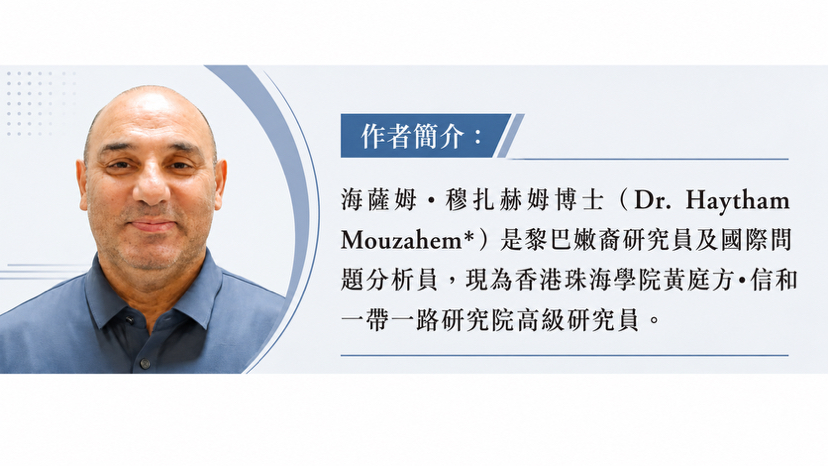
英文原文/海薩姆·穆扎赫姆(Dr. Haytham Mouzahem)
中文編譯及改寫/香港文匯報記者 胡恬恬
美國與伊朗之間的外交接觸仍在持續,但談判始終未能取得實質突破。如今,雙方的角力早已不局限於伊朗核計劃,而是演變成一場涉及軍事行動、經濟制裁、石油供應、霍爾木茲海峽航行自由,以及海外凍結資產的複雜博弈。儘管卡塔爾、巴基斯坦及俄羅斯等國積極斡旋,試圖阻止局勢再次滑向戰爭,但美伊雙方在核心議題上的分歧依然難以彌合。
這場談判最大的癥結,不僅在於雙方要求什麼,更在於誰應該先作出讓步。伊朗要求美國先停止軍事行動、解除制裁,並釋放部分被凍結的海外資產;美國則堅持,伊朗必須先在核問題上作出實質承諾。雙方都擔心,一旦自己率先讓步,對方卻未履行承諾,便會在談判中陷入被動。
與此同時,霍爾木茲海峽的航運安全持續惡化,美國對伊朗的軍事威脅亦未消除。外交斡旋與軍事施壓同步進行,令外界愈發關注:美伊能否在新一輪戰火爆發前達成妥協?
霍爾木茲海峽成伊朗重要談判籌碼
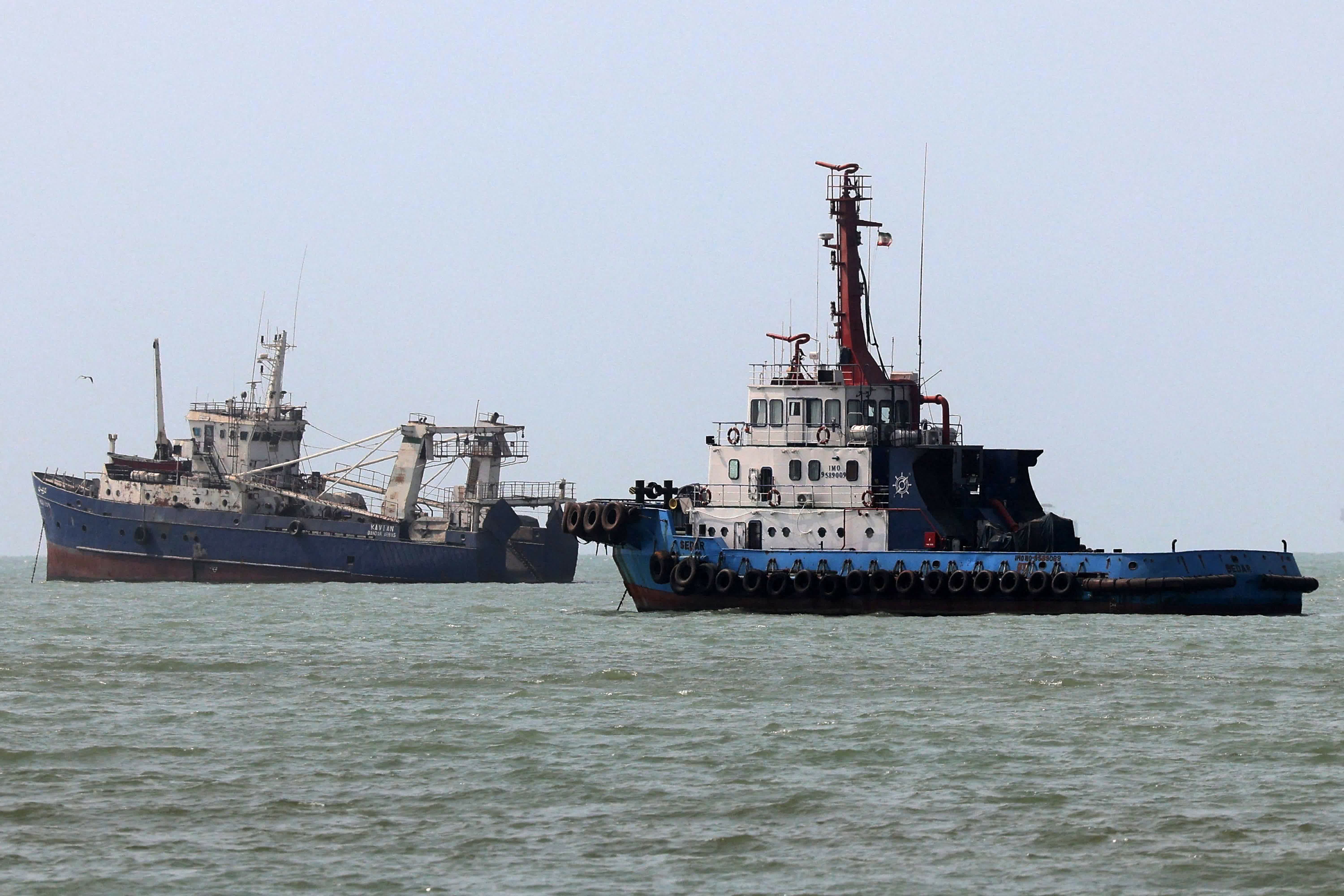
霍爾木茲海峽是全球最重要的能源運輸通道之一,如今已成為伊朗手中最具影響力的談判籌碼。
伊朗近期提出一項分階段解決危機的方案,主張先結束敵對行動、解除相關限制,並釋放被凍結的伊朗海外資金,以換取重新開放霍爾木茲海峽,繼而展開更廣泛的談判。德黑蘭已透過卡塔爾調解人收到美方回應,但雙方對協議的執行先後次序仍存在嚴重分歧。
對伊朗而言,霍爾木茲海峽不僅是控制能源運輸的戰略要道,更是迫使美國考慮解除制裁的重要籌碼。德黑蘭堅持,恢復正常航運必須與停止軍事行動、減輕經濟壓力等條件掛鈎。
然而,美國則將恢復海峽航行自由,以及保障國際航運和能源供應,視為任何潛在協議不可或缺的部分。
隨着軍事對抗持續,海峽內的油輪安全風險不斷增加。原稿指出,過去兩周有多艘船舶遭到伊朗襲擊,上周針對油輪的襲擊更達到對伊戰爭爆發以來的最高水平。雖然海峽航運並未完全中斷,仍有部分船隻通行,但隨着襲擊升級,船舶通行量再次下降。
這使霍爾木茲海峽形成一種特殊局面:航運愈受威脅,伊朗手中的談判籌碼便愈有分量;但海上局勢愈不穩定,雙方要達成可持續的航運安排也就愈困難。
歸根究柢,伊朗希望在讓步前獲得保證,美國則要求伊朗先採取具體行動。雙方各自堅持的談判順序,正是目前最難解開的死結。
制裁與凍結資產交織 油價成另一壓力來源
除了霍爾木茲海峽,伊朗被凍結的海外資產,也是美伊談判的重要爭議之一。
德黑蘭一直要求美國釋放部分被凍結資金,以緩解長期制裁對本國經濟造成的壓力。這項議題過去曾多次出現在美伊談判中,如今再次與海峽航行安排掛鈎。
然而,問題並非單純涉及釋放多少資金,更關乎何時解凍、如何轉移,以及哪些機構有權動用資產。若要將資金解凍納入政治協議,雙方必須建立明確的執行機制,確保彼此履行義務。
對美國而言,解除制裁或釋放資產不能與伊朗核問題分開處理。因此,即使外交接觸未曾中斷,華盛頓仍持續維持對伊朗的經濟壓力。
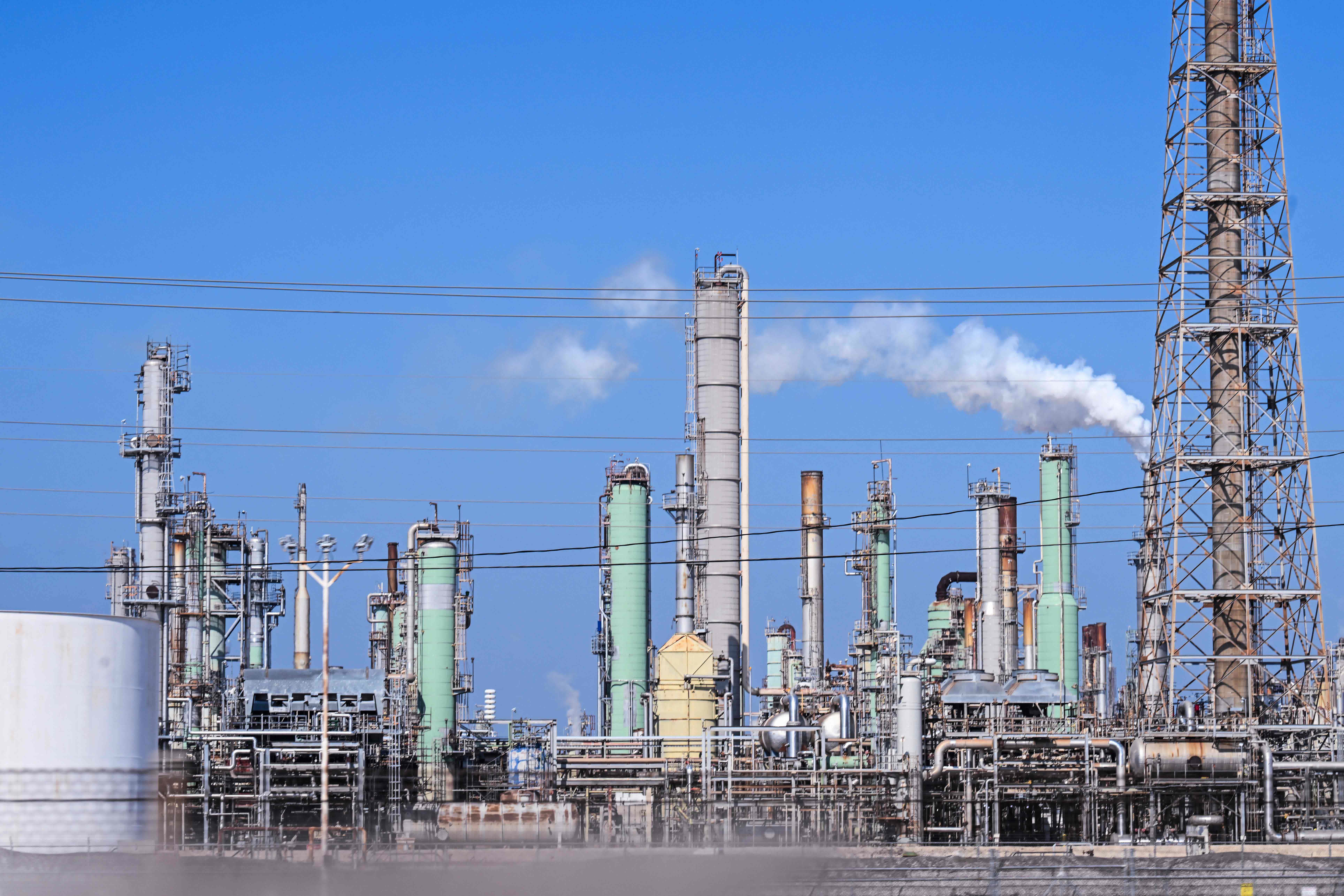
美國財政部10月8日宣布新一輪制裁,針對涉及伊朗石油及石油產品運輸的個人、相關網絡,以及17艘船舶實施限制措施。
這反映出美國目前採取的雙軌策略:一方面維持外交談判,另一方面繼續透過經濟制裁及軍事威脅施壓,迫使德黑蘭作出讓步。
與此同時,霍爾木茲海峽航運受阻亦令國際能源市場承受壓力。隨着油輪通行量再次下降,國際油價走高,布倫特原油價格上周一度突破每桶105美元,隨後才部分回落。
石油因此在這場談判中扮演雙重角色。一方面,限制伊朗石油出口是美國施壓的重要手段;另一方面,海峽航運受阻推高全球能源成本,也令國際社會更加迫切希望局勢降溫。
這意味着,無論是制裁、石油價格,還是海峽航行問題,都已難以與美伊政治及安全談判分割處理。
核問題成最大死結 美伊各持不同談判順序
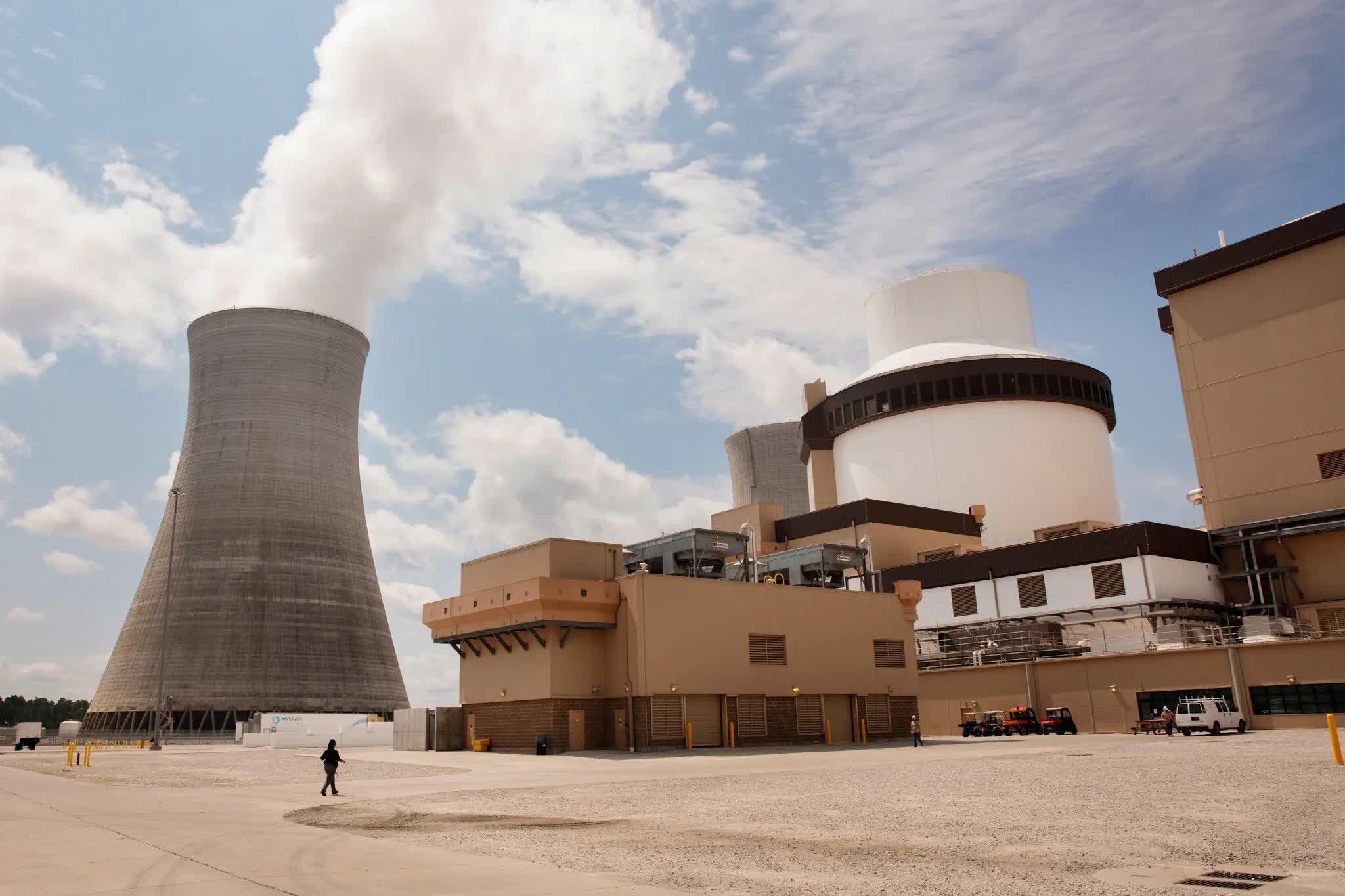
儘管霍爾木茲海峽、經濟制裁和凍結資產成為當前談判焦點,但伊朗核計劃仍然是決定雙方能否達成長期協議的核心。
華盛頓希望將核問題納入更全面的解決方案,要求建立有效的核查與監督機制,確保伊朗核計劃受到約束。
然而,德黑蘭在最新提案中更着重於先結束軍事對抗、恢復海峽航運,以及解除經濟壓力,然後才展開涉及核問題的廣泛談判。
這種分歧不僅涉及協議內容,更反映雙方對談判先後次序存在根本不同的理解。
美國認為,核問題必須優先獲得解決,才能為停戰及解除制裁創造條件;伊朗則堅持,只有先停止戰爭和經濟施壓,才有可能就核計劃展開實質談判。
據伊朗媒體報道,穆赫辛·雷扎伊在與巴基斯坦陸軍參謀長穆尼爾會面時強調,所有濃縮核材料都必須留在伊朗境內,「連一個原子都不會離開」,並指出解決問題的第一步,在於落實伊朗提出的條件。
雙方在核問題上的對立,令原本已經複雜的談判更難取得突破。
卡塔爾巴基斯坦接力斡旋 俄羅斯尋求介入
儘管美伊未達成最終協議,兩國的溝通渠道仍然保持開放。美國總統特朗普10月8日表示,美方正與伊朗進行「富有成果」的討論,並稱在11月3日國會中期選舉前不會恢復對伊朗發動襲擊。
卡塔爾近期持續在雙方之間傳遞信息;與此同時,巴基斯坦亦在中國支持下推動斡旋,希望促使美伊履行此前在瑞士簽署的諒解備忘錄。惟隨着相關安排未能落實,巴基斯坦的調解角色一度減弱,卡塔爾的重要性則有所上升。
隨着局勢再次緊張,巴基斯坦陸軍參謀長穆尼爾於周二訪問德黑蘭,與伊朗高層會晤。原作者指出,這是自2月28日美以對伊朗戰事爆發以來,穆尼爾第五次訪問伊朗,顯示巴基斯坦正試圖重新站到斡旋前線。
除了巴基斯坦近期關閉與伊朗的邊境,以及沙特阿拉伯與也門之間的緊張關係外,美伊對抗是穆尼爾此次會談的核心議題。伊朗方面重申,仍在研究美方對其所謂「七日方案」的回應,並堅持將停戰、解除制裁及恢復霍爾木茲海峽通航列為優先事項。
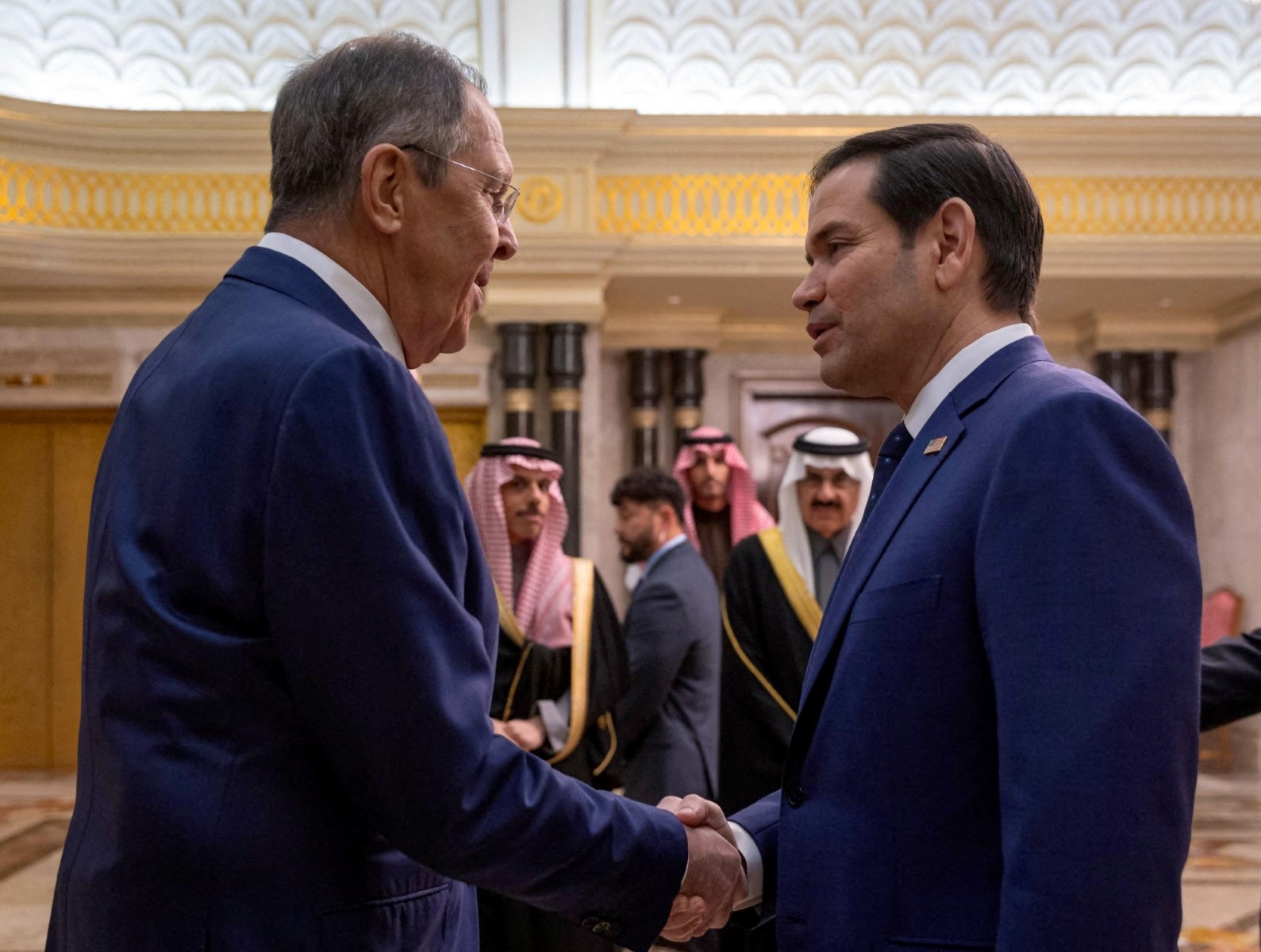
俄羅斯也開始加強外交介入。
伊朗內部亦出現有關俄羅斯斡旋作用的討論,認為莫斯科可能憑藉近期與美國及海灣阿拉伯國家的接觸,提出折衷方案,嘗試縮小雙方分歧。
軍事威脅陰霾未散 新一輪衝突風險升高
外交努力持續之際,軍事層面的不確定性卻未見消退。隨着伊朗與船舶、油輪相關的海上衝突升級,以及美以再次採取軍事行動的可能性受到關注,地區局勢依然脆弱。
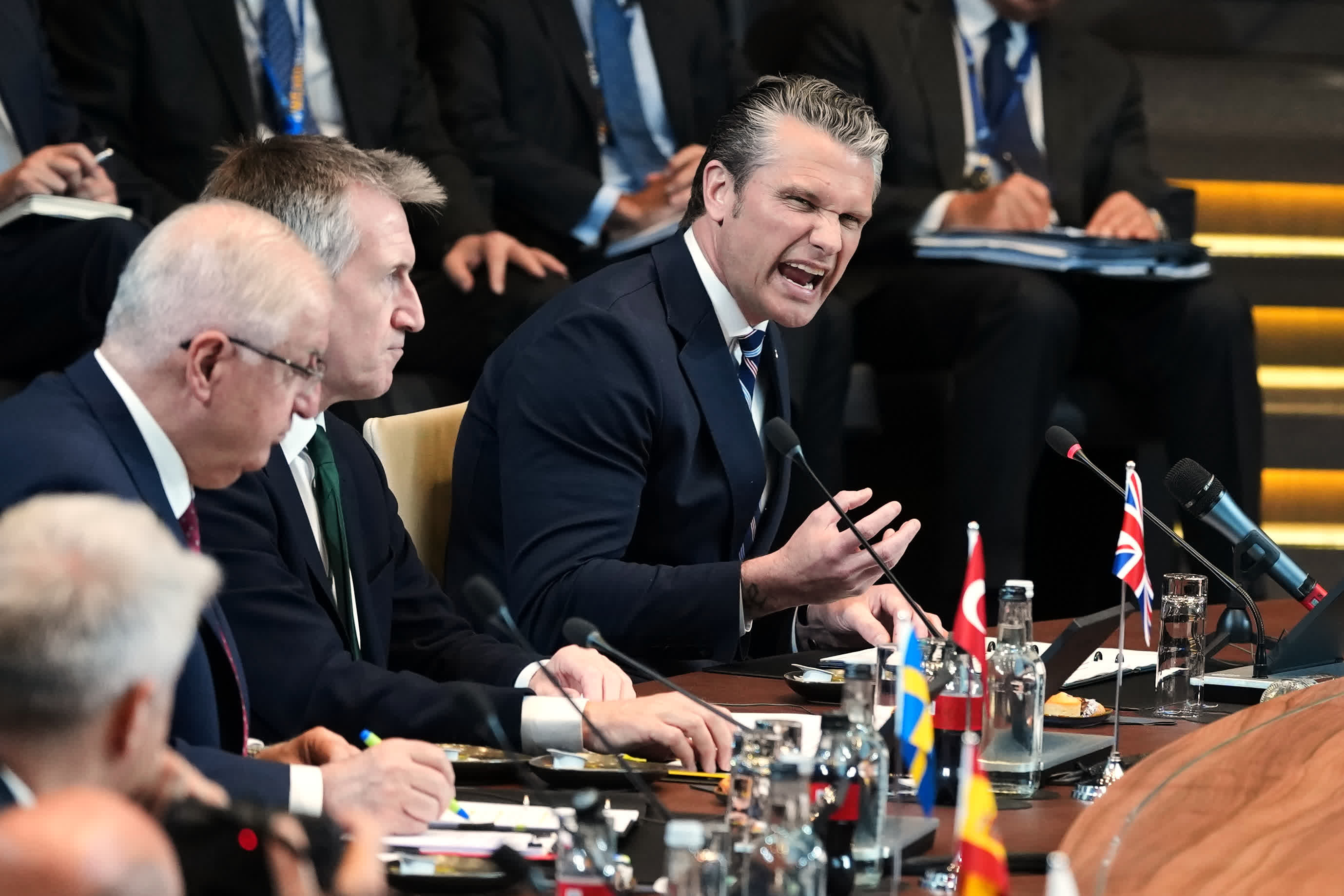
原稿提及,美國國防部長赫格塞思據稱曾在未事先公布的情況下訪問以色列,並與以色列總理內塔尼亞胡會面。另有未經獨立證實的消息指,穆尼爾可能向伊朗帶去美方的「最後警告」,要求德黑蘭先在核問題上讓步,否則或面臨針對核設施的大規模軍事打擊;相關消息甚至提到位於伊朗中部、被稱為「Pickaxe Mountain」的設施。
這些說法目前主要來自消息流傳及非官方報道,尚不足以證明美國已作出新的軍事決定。然而,在相互威懾的氣氛下,相關消息仍可能加劇雙方的不信任。
伊朗官員近來亦多次警告,倘美國再次發動攻擊,德黑蘭的報復將比此前的「12日戰爭」及「40日戰爭」更具破壞性,規模也會進一步擴大。強硬措辭與軍事威脅交錯,使外交談判的時間與空間受到擠壓。
先停戰還是先談核?破局仍待建立互信
對伊朗而言,任何方案無論由華盛頓、卡塔爾、巴基斯坦抑或莫斯科提出,都必須回應德黑蘭的根本訴求:停止持續的軍事攻擊,以及解除經濟壓力。
原稿援引伊朗方面消息稱,在戰爭問題尚未解決的情況下,核協議便缺乏達成的基礎。相關人士強調,美國必須停止戰爭與制裁,並撤回軍事力量,才有可能恢復霍爾木茲海峽正常航行及停止報復行動。
由此可見,美伊之間並非完全缺乏談判渠道,而是缺少一套雙方都能接受、可以同步執行的安排。無論是停止敵對行動、核問題讓步、解除制裁,還是解凍資產和恢復航運,各項承諾都需要明確的時間表、核查機制和履約保證。
倘若華盛頓與德黑蘭始終堅持要求對方先行讓步,任何外交倡議都可能在執行順序上再次觸礁。談判桌上的每一張籌碼,最終能否轉化為雙方共同履行的承諾,將決定這場危機走向降溫,還是再度滑向戰爭。
以下為英文原文:
The negotiations between Washington and Tehran is not only about Iran’s nuclear program; it has turned into a complex track in which war, sanctions, oil, freedom of navigation in the Strait of Hormuz, and frozen Iranian funds all overlap.
While regional mediations, especially Qatari mediation, are trying to keep channels of communication open, the fundamental dispute still revolves around the nature and sequencing of concessions: What does Iran offer first? And what does the United States offer in return? Most importantly, how can the implementation of agreed steps be guaranteed simultaneously, so that no concession becomes a unilateral step?
In the latest diplomatic moves, Tehran proposed an initiative based on sequential steps to end hostilities, lift restrictions imposed on it, and release frozen Iranian funds in exchange for reopening the Strait of Hormuz and moving to broader negotiations. Tehran received an American response to its proposal through Qatari mediators, while the dispute over the sequence of implementing the steps remained one of the most prominent obstacles to reaching an understanding.
The Strait of Hormuz .. The bargaining card
At the heart of the crisis stands the Strait of Hormuz, one of the world’s most important maritime energy passages, which during the confrontation has turned into a negotiating card that goes beyond the issue of navigation itself. For Tehran, reopening the Strait is linked to implementing a set of conditions related to ending hostilities and easing economic pressures.
As for Washington, it treats freedom of navigation and the resumption of shipping and energy movement as an essential part of any potential settlement.
Iran is still seeking to maintain its influence over transit routes inside the Strait, at a time when tankers face increasing risks, after a number of ships were subjected to Iranian attacks within two weeks. Last week recorded the highest level of attacks on oil tankers since the start of the war on Iran.
But the situation in the Strait does not mean navigation has completely stopped, as some crossings continued while ship traffic declined again with the escalation of attacks. This makes the Strait of Hormuz direct leverage in any negotiation and at the same time increases the difficulty of reaching stable arrangements regarding freedom of navigation.
Here appears one of the core knots in the negotiations: Iran wants guarantees before making concessions, while the United States wants concrete Iranian steps before offering corresponding concessions.
Frozen Funds: An Economic Card on the Political Table
The frozen Iranian funds abroad represent another negotiating card, and Tehran demands that Washington release part of these assets as one of the elements of easing the economic pressures imposed on it.
The issue of frozen funds has appeared in previous rounds of negotiations, while American-Iranian talks also addressed mechanisms for releasing the funds in parallel with the navigation file in the Strait of Hormuz.
But the issue is not only about the amount of funds, but also about the conditions, timing, and mechanism of their release, and the entities that have the authority to access them. Therefore, making these funds part of a political agreement requires clear arrangements that guarantee the implementation of mutual obligations.
For Washington, easing sanctions or releasing assets does not appear separate from the rest of the files, especially the nuclear file.
On the other hand, maximum economic pressure tools remain present, as the U.S. Treasury Department announced on October 8 the imposition of new sanctions on individuals and networks and 17 ships linked to the transport of Iranian oil and petroleum products.
This development reflects a clear paradox in the current track: diplomatic contacts continue, but economic pressure has not stopped, alongside American military threats to launch a major military operation against Iran’s nuclear and oil facilities, energy facilities, and infrastructure.
U.S. sanctions and restrictions on Iranian oil exports constitute one of the most important tools of pressure on Tehran in this confrontation.
The Iranian economy is continually affected by restrictions imposed on trade and energy, while disruptions to oil movement through the Strait of Hormuz affect global markets. With transit movement declining again, oil prices rose, and Brent crude exceeded $105 per barrel during last week’s trading before partially retreating.
Thus, oil becomes part of the negotiating equation from two sides: it is a main source of pressure on the Iranian economy, and at the same time it represents one of the most prominent motives for the international community to return navigation and energy movement to their natural course.
Here economic interests intersect with political and security files, making it difficult to separate sanctions from the Strait of Hormuz, or oil flow and its prices from the negotiations.
The Nuclear File
Although Hormuz, sanctions, and frozen funds dominate the scene at the current stage, Iran’s nuclear program remains one of the main files in any long-term agreement between Washington and Tehran.
The United States wants to include the nuclear file within a broader settlement that includes mechanisms for verification and oversight of the Iranian program.
In contrast, Tehran focused in its latest initiative on ending the confrontation, reopening the Strait, and easing pressures before moving to broader negotiations on other issues.
This difference is not only about the content of the agreement but about the timing of discussing each file. Washington wants the nuclear file to be part of any comprehensive settlement, while Tehran pushes toward initial steps that return the situation to a calmer track before entering broader negotiations.
Continued Contacts Despite Escalation
Despite the failure to reach a final agreement, communication channels between Washington and Tehran have not been closed. U.S. President Donald Trump said on October 8 that the United States is conducting fruitful discussions with Iran and announced that it will not resume attacks on Iran before the midterm congressional elections on November 3.
But the problem is no longer the existence of communication channels between Washington and Tehran; mediations are still working to keep indirect negotiations ongoing, especially through Qatar, but the real challenge lies in transforming these contacts into an implementable agreement. Also, Pakistan, supported by China, is pursuing her mediation to let the two parties implement the memorandum they signed in Switzerland, thanks to Pakistan and Qatar diplomatic efforts.
Each party wants guarantees preventing it from making a concession and then discovering that the other party has not implemented its obligations. Any settlement will not be easy unless Washington and Tehran agree on a clear mechanism defining mutual steps, the timing of their implementation, and the guarantees that prevent the agreement from collapsing later.
The real issue remains in the ability of the two parties to transform bargaining cards into mutual steps that open the way for a broader agreement that each party can commit to without seeing it as a unilateral concession.
Back to war?
In parallel with Iran's targeting of ships and oil tankers in the Strait of Hormuz, which Tehran describes as "violations," and the escalating likelihood of a new US-Israeli military operation against Tehran—especially given the unannounced visit of US Secretary of war Pete Hagseth to Israel and his meeting with Israeli Prime Minister Benjamin Netanyahu—diplomatic consultations continue to contain the escalation.
Following Russian Foreign Minister Sergey Lavrov's visit to Iran on Monday, during which Moscow expressed its readiness to help reduce tensions between Tehran and Washington, Pakistani Army Chief Asim Munir, the main mediator in the negotiations, visited Tehran on Tuesday, where he met with senior Iranian officials.
Munir's visit, his fifth since the start of the US-Israeli war against Iran on February 28, puts Pakistan back at the forefront of mediation efforts, after its role had diminished due to the collapse of the "Memorandum of Understanding" signed in Switzerland. This comes in contrast to the growing role of the Qatari mediator, who has been conveying messages between the two sides in recent weeks.
Besides issues such as Pakistan's recent closure of its border with Iran and the escalating tensions between Saudi Arabia and Yemen, the tension between Iran and the United States was the most prominent focus of Munir's talks. Iran reiterated that it was still studying the American response to its so-called "seven-day" plan, emphasizing that the priority should be ending the war and the sanctions and reopening the Strait of Hormuz.
Meanwhile, the American side prioritizes resolving the nuclear issue, considering it a prerequisite for ending the war and lifting the sanctions. Iranian media quoted the Secretary of Iran's Supreme National Security Council, Mohsen Rezaei, as telling Munir that "all enriched nuclear material will remain inside Iran, and not a single atom will leave it," and that "the first step in the path to a solution lies in implementing Iran's conditions."
In the same vein, some leaks and unofficial reports indicate that Munir carried with him a "final warning" from the United States, urging Iran to submit to the American demand for nuclear concessions before any further steps, under threat of a "large-scale attack" specifically targeting its nuclear facilities at Pickaxe Mountain in the center of the country.
In recent days, Iranian officials have warned that their response to any new American aggression would be "more destructive" and "more extensive" than Tehran's responses during the previous 12-day and 40-day wars.
Therefore, it remains unclear to what extent diplomatic efforts can unravel this intractable problem and prevent the outbreak of a new war. Heated discussions are taking place in Tehran regarding Moscow's involvement in the crisis and its efforts to reduce tensions, particularly following Lavrov's visit to the Iranian capital. There is a prevailing belief within Iran that Russia, with the nuclear issue once again at the heart of negotiations and in light of its recent contacts with both the United States and the Gulf Arab states, is seeking to bridge the gaps between the parties by proposing compromise initiatives.
However, it appears that Tehran will not agree to any proposal, even one from Moscow, regarding the nuclear issue or the reopening of the Strait of Hormuz, unless its fundamental concerns are addressed: the cessation of ongoing attacks and the lifting of economic pressure.
Iranian sources stated that "without a resolution to the war, there is no prospect for a nuclear agreement, and Iran has no intention of negotiating one." They added, "America must withdraw its forces and cease its war and sanctions in order for the closure of the Strait of Hormuz to be lifted and retaliatory attacks to stop. There is no possibility of any settlement concerning the nuclear issue under conditions of war."
 0
已點過讚





評論(0)
0 / 255