







「舊香港」結束了?恰恰如此——這正是新香港的開始

- 普通話
- 廣東話

- 超大
- 大
- 標準
- 小
英文原文/張明信(Brandon Zatt)
中文編譯/香港文匯報記者 胡恬恬;英文原文附於文末。
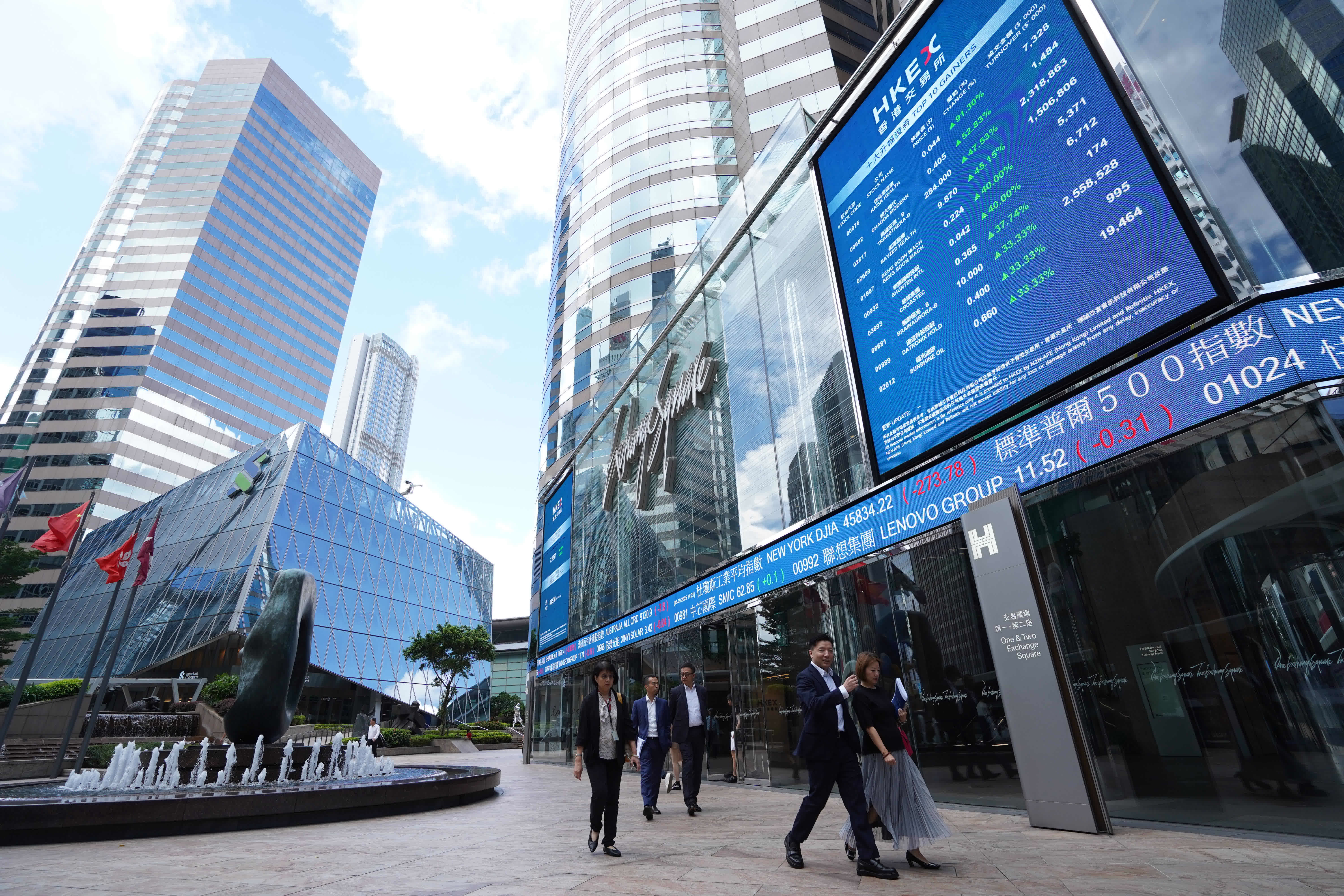
史蒂芬·羅奇其實幫了香港一個忙。
不是因為他說對了,而是因為他把一種不少外國觀察者至今仍固守的偏見,反映得淋漓盡致:香港的價值取決於它與中國內地保持多少距離,香港的國際特質建立在其高度自治之上——在這套邏輯下,任何與中國內地更深的融合,都被視為一種失去,而不是得到。
羅奇說:「舊香港已經結束了」。
這一點,我同意。
但除此之外,我幾乎完全不同意他的判斷。
我在大中華區生活和工作了28年。1998年,我來到這裏,那時香港回歸剛剛一年。
此後,我看着香港經歷亞洲金融危機、沙士、全球金融危機、修例風波,再到疫情。
我看過這座城市被一次又一次地衝擊。
我看過它彎下去,但我從未看過它被折斷。
羅奇所懷念的那個「舊香港」,其實是一個被過度簡化、甚至被美化了的香港形象,並不完全符合香港歷來的真實狀態。
香港從來不是一座被封存在殖民年代、幾十年不變的城市。它一直是一座橋,而橋從來不是靜止的,兩岸的地形變了,橋也必須改變。
內地企業來港上市,為什麼反而證明香港有用?
羅奇的一個核心論點是,香港2025年重返全球IPO市場前列,主要依靠中國內地企業,因此香港已經不像一個真正繁榮的全球IPO市場,而更像「中國主要的國際融資平台」。
我認為,這恰恰誤解了全球金融中心如何運作。
紐約會因為大量美國公司在那裏上市,而變得「不國際」嗎?
倫敦會因為服務大量英國和歐洲企業,而失去全球金融中心地位嗎?
當然不會。
任何成熟的金融中心,背後都需要一個強大的經濟腹地。
紐約的腹地是美國。
倫敦的腹地是歐洲。
香港的腹地,恰好是全球第二大經濟體。
把這種條件理解成香港的負擔,而不是優勢,在我看來,才是真正奇怪的地方。
數據也講述了另一個故事。
2025年,香港共有106宗IPO,集資額接近2,750億港元。
更重要的是,流入香港的並不只是中國內地資金。當年基石投資總額達1,066億港元,參與者包括瑞銀、Jane Street以及新加坡政府投資公司GIC等大型國際機構。
如果香港真的只是一個封閉的、供內地企業自我融資的平台,它為什麼能吸引來自不同國家和地區的主權財富基金和全球金融機構?
在我看來,內地企業大量來港融資,不是香港失去功能的證明。
恰恰相反。
這就是香港的功能。
把中國企業、資產和機會,與世界資本連接起來。
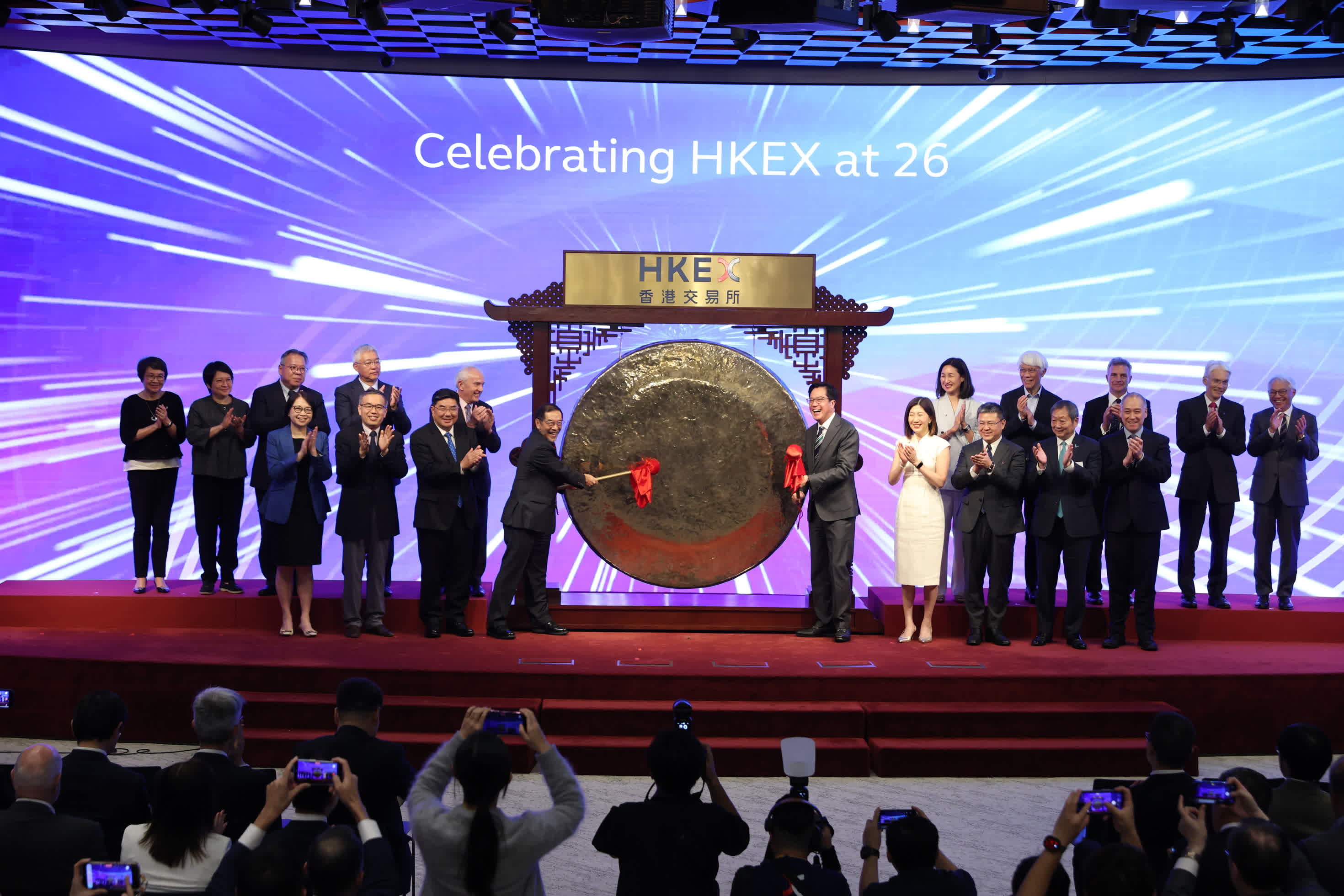
香港的韌性,不是我從報告裏讀到的
羅奇承認,香港股市的表現比他原本預期更好,但他拒絕把這視為自己此前判斷需要修正,反而批評特區政府試圖包裝一個關於「韌性」與「創新」的故事。
但我每天都生活在這種韌性之中。
我不是從研究報告裏讀到它的。
這些年,我坐過很多會議室,聽過不少西方企業高管非常篤定地告訴我:香港完了。
他們真的相信這件事。
我也看着不少人因為相信這套敘事,一次又一次錯失機會。
反而是那些做得最好的人,往往沒有沉迷於這些標題。
他們去看實際發生了什麼。
而實際發生的事情其實很簡單:
這座城市一直在工作。
市場在運作,資本在流動,企業在融資,交易仍然發生。
這不是宣傳。
這是我每天看到的現實。
國安法爭議,不等於香港整個法律制度失效
羅奇還認為,2020年和2024年出台的國家安全法律,損害了香港的法治。
我認為,這種判斷存在明顯的雙重標準。
幾乎所有西方司法管轄區都有自己的國家安全法律,這通常被視為國家治理的一部分。但當香港建立自己的國安制度時,它卻被一些人視為天然不正當。
當然,我不否認外界對香港政治和國安制度存在爭議。
但對資本而言,還有另一個非常實際的問題:
合約能不能執行?
產權是否受到保障?
法院在處理商業糾紛時是否能保持獨立?
企業是否仍可以依靠一套可預期的商業法律制度?
在這些真正影響投資決策的領域,香港的商業法律框架仍然存在。
數據顯示,國安案件只佔香港整體刑事檢控中的極小部分。與此同時,香港在商業合約、產權以及商事司法方面的制度仍在運作。
我不會輕率地說這些話。
因為我的工作、我的聲譽,都建立在能否準確判斷這個市場之上。
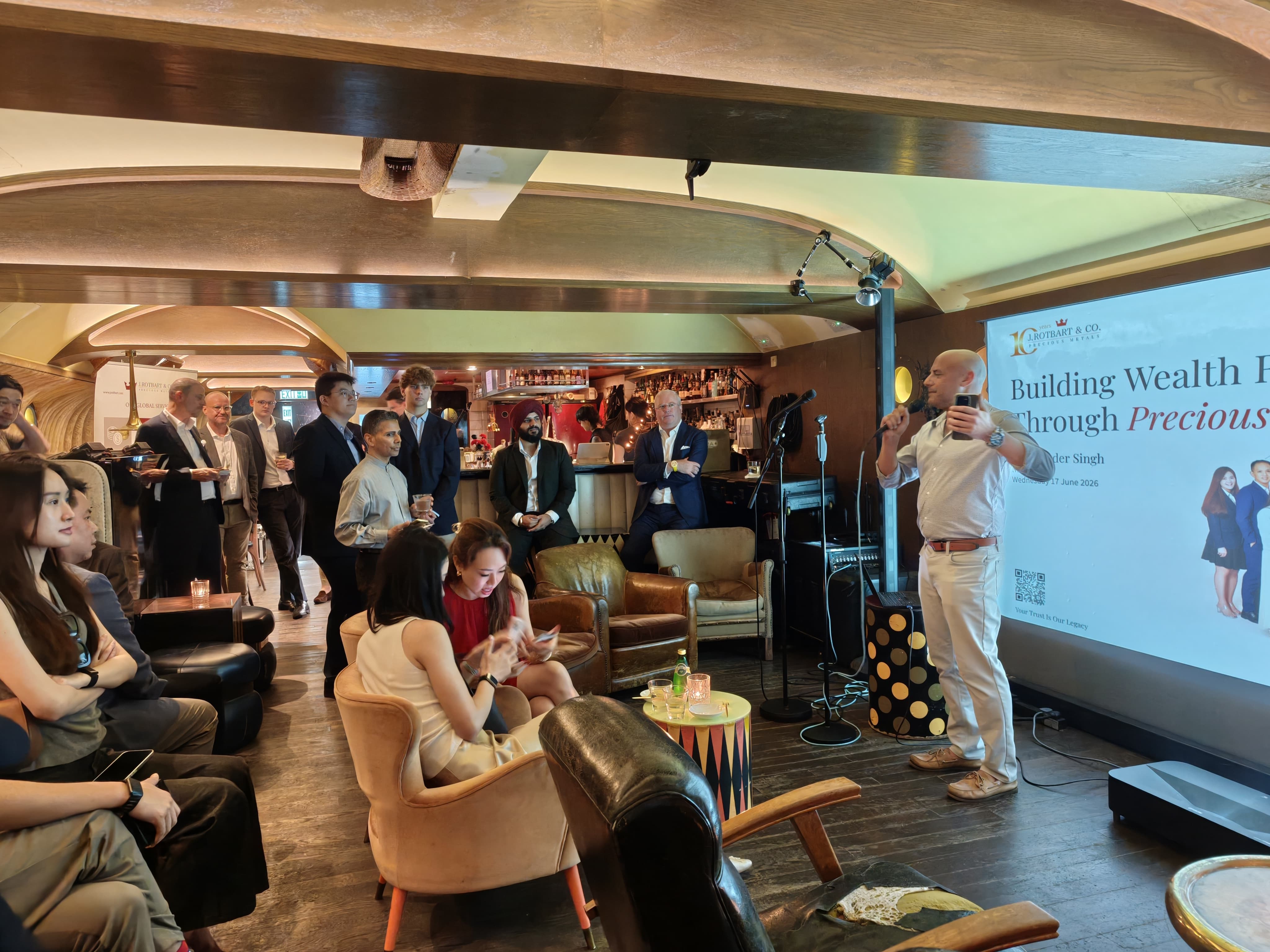
舊香港確實回不來了——但為什麼一定要回去?
有一件事,我其實和羅奇完全一致:
舊香港真的結束了。
但我和他的分歧是——我不認為這是一場葬禮。
香港過去幾十年的成功,有一套非常清晰的公式:
自由放任的經濟模式,與全球金融體系高度連接,房地產佔據重要位置,以及作為中國內地與西方之間的橋樑。
這套模式創造了幾十年的繁榮。
但任何成功的模式都有生命週期。
真正困難的事情,從來不是把香港恢復成1997年、2007年或者2017年的樣子。
真正的問題是:
2026年的香港,下一步要成為什麼?
我認為,香港並沒有「結束」。
它正在重新設計自己。
不是把自己修復成過去的樣子,而是建立下一個版本。
我看到的新香港,已經開始出現
這不是一個抽象的願景。
我每天都能看到一些具體變化。
香港正更深地參與中國內地的硬科技轉型。
它的普通法制度、仲裁能力和國際商業經驗,讓它有機會在數碼資產、人工智能治理、跨境數據等新領域中發揮作用。
中國內地專業人才與全球人才來到香港,也在帶來新的技術能力、風險資本和產業網絡。
還有金融基礎設施。
黃金金庫正在建設。
人民幣流動性安排正在擴大。
連接香港與上海黃金交易所的「交割通」正在建立。
全球大型銀行開始參與。
實物黃金正在向東方移動。
對我來說,這些看似彼此分散的變化,其實在回答同一個問題:
香港的下一個角色是什麼?
我的答案是——香港正在成為一個更深地連接中國經濟腹地、同時保留國際制度接口的城市。
中國內地提供市場、產業、技術和資產的深度。
香港提供資本、普通法、結算、仲裁、國際人才與全球網絡。
兩者結合,才是香港下一階段真正值得關注的地方。
香港的價值,從來不在於「與內地的距離」
這也是我和羅奇最根本的分歧。
他的論述背後,有一個很重要的假設:
香港與內地之間的距離愈大,香港就愈有價值;兩地愈融合,香港的國際性便愈下降。
我認為,這個假設已經過時。
香港真正無可取代的地方,從來不是它「與內地的距離」。
而是它能夠做到兩件看似矛盾的事情:
既深入中國,又面向世界。
它背靠中國這個龐大的經濟腹地,同時擁有國際金融市場、普通法制度、離岸人民幣體系、專業服務和全球商業網絡。
香港的價值,恰恰存在於這個交匯點。
真正結束的,未必是香港。
而是那種認為「香港只有與中國內地保持距離才有價值」的舊思維。
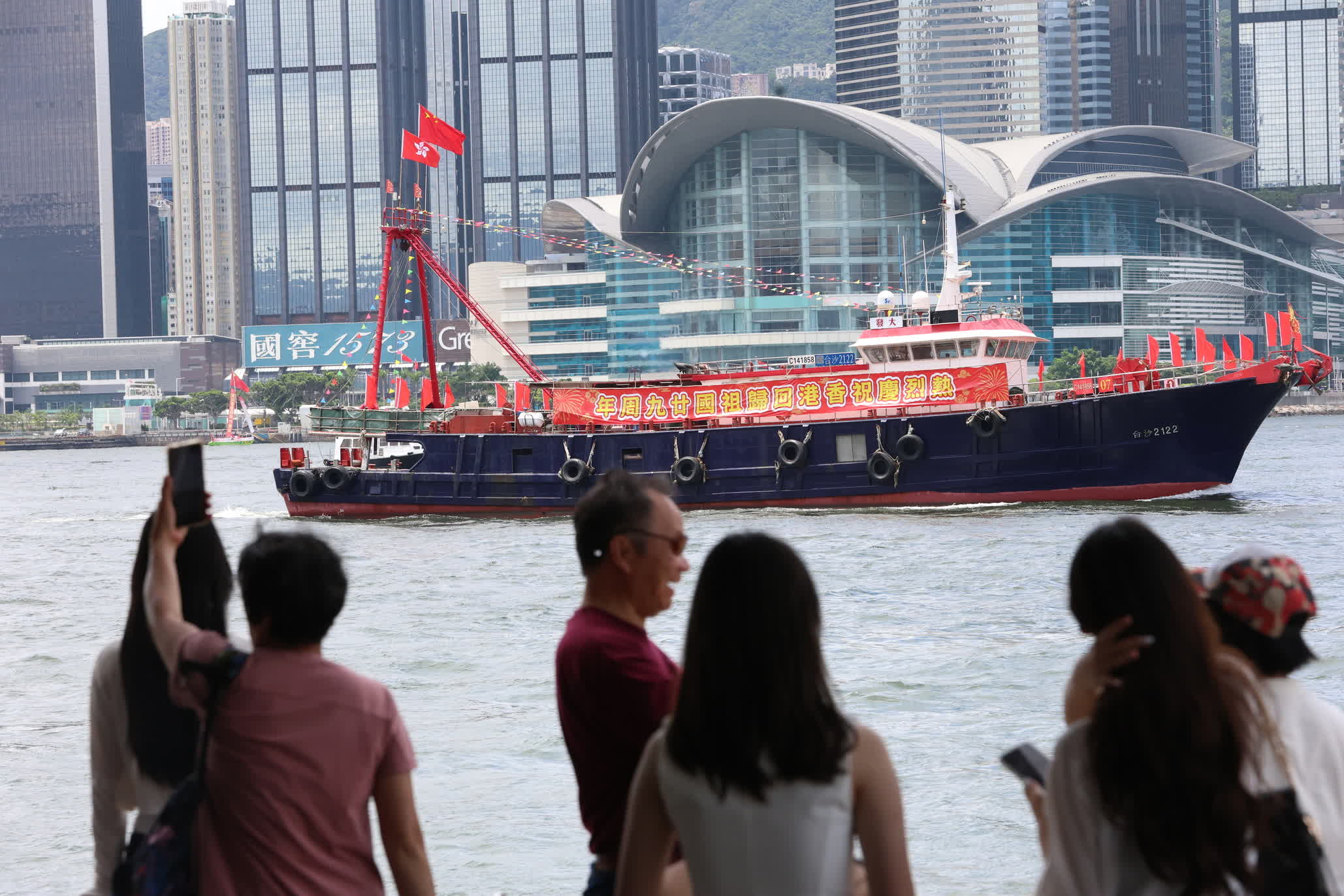
我的香港
1998年8月,我第一次來到大中華區。
那一年,我22歲。
當時的我其實說不清楚,為什麼一定要來這裏。
我只是有一種很強烈的直覺:有一些重要的事情正在這片土地上發生。
像是歷史的弧線,正在慢慢朝這裏彎過來。
28年過去了。
那已經不再只是我的直覺。
它變成了一些我可以看到、可以觸摸,也可以用數據衡量的東西。
所以,當羅奇說「舊香港已經結束」時,我並不想反駁這句話。
他說得對。
舊香港確實結束了。
但這不是一篇悼詞。
這是一張邀請函。
邀請我們停止執着於香港能不能回到從前,而開始問一個更重要的問題:
下一個香港,究竟會是什麼樣子?
新的香港已經在建設之中。
對我來說,真正的問題不是香港能否生存。
它能。
真正的問題是——
當香港已經開始改變時,世界能不能在太遲之前,也改變自己理解香港的方式。
⸻
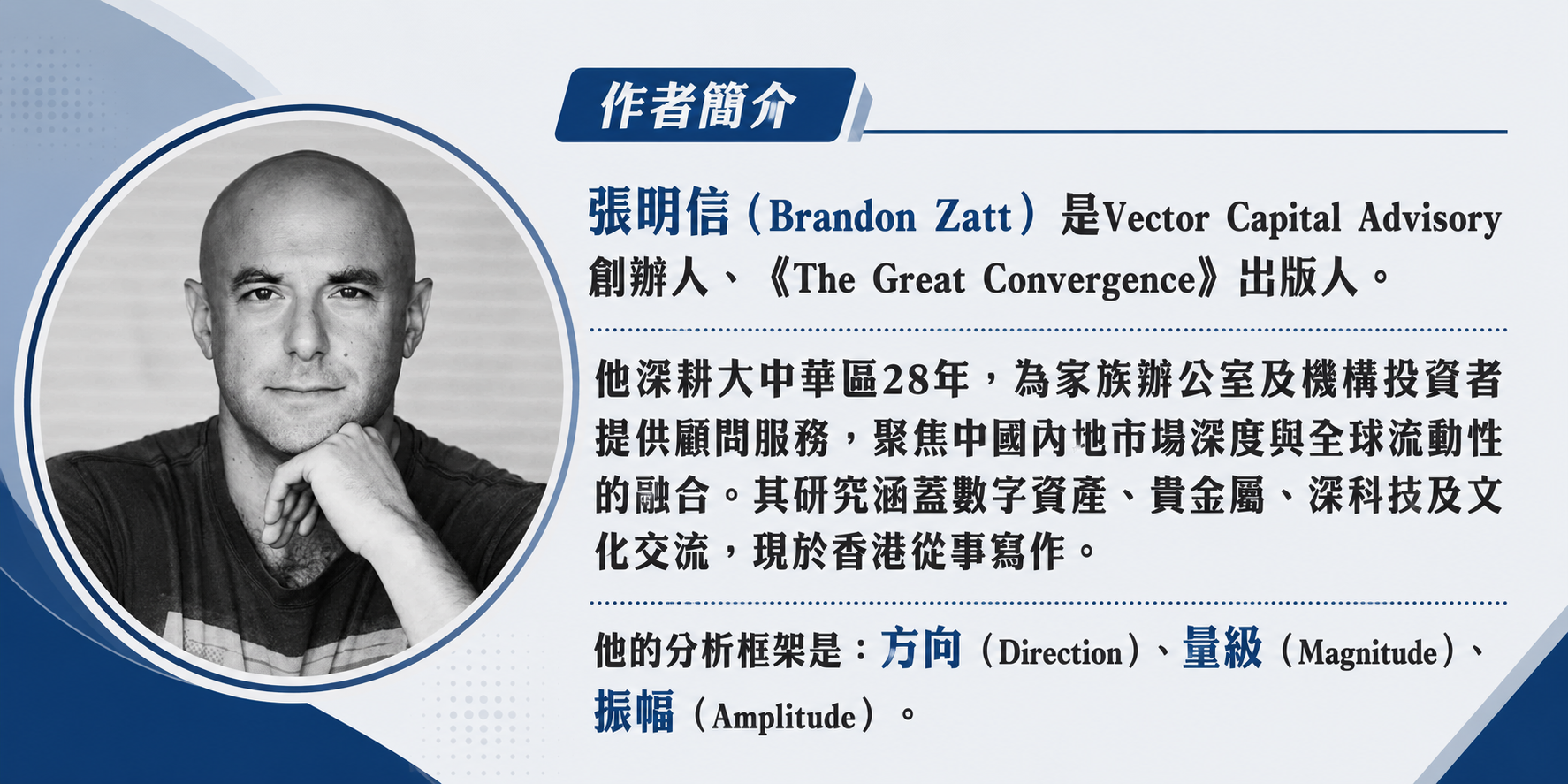
以下為英文原文:
Response to Stephen Roach: Why "Old Hong Kong Is Over" Is Exactly the Point
Stephen Roach has done Hong Kong a favor.
Not because he is right. Because he has articulated, with unusual clarity, the worldview that so many foreign observers still cling to: that Hong Kong's value was contingent on its distance from Beijing, that its international character was a function of its autonomy, and that any integration with the mainland represents a loss — not a gain.
The old Hong Kong is over. Roach is right about that. He is wrong about everything else.
I have lived and worked in Greater China for 28 years. I arrived in 1998, one year after the handover. I have watched the city absorb every shock — the Asian financial crisis, SARS, the global financial crisis, the protests, the pandemic. I have watched it bend. I have never watched it break.
What Roach calls the "old Hong Kong" was a convenient illusion. The city was never a colonial outpost preserved in amber. It was always a bridge. And bridges are not static — they adapt to the terrain they connect.
Roach's First Error: IPO Recovery Is Not a Sign of Dependency — It Is a Sign of Function
Roach argues that Hong Kong's return to the top of global IPO rankings in 2025 was driven by mainland firms, and therefore the city has become "less a thriving global IPO market than China's principal international fundraising platform".
This is a fundamental misunderstanding of how global financial centers work. New York does not become "less international" because American companies raise capital there. London does not forfeit its global standing by connecting British firms to global investors.
Every mature financial hub is anchored in an economic hinterland. New York's hinterland is the United States. London's is Europe. Hong Kong's happens to be the world's second-largest economy. Turning that hinterland into a liability requires considerable ideological gymnastics.
The data tells a different story. Funds raised in Hong Kong reached nearly HK$275 billion from 106 IPOs in 2025. The money flowing in was global, not merely from the mainland. Cornerstone investments in 2025 hit HK$106.6 billion, with giants like UBS, Jane Street, and Singapore's GIC participating.
A "captive" platform does not attract sovereign wealth funds from three continents.
Roach's Second Error: Hong Kong's Resilience Is Not a "Spin" — It Is a Fact
Roach has conceded that the stock market has risen more than he expected, but dismissed it as "neither an apology nor a concession." He claims the government has made "a determined effort to spin a tale of resilience and competitive innovation".
I live this resilience. I don't read about it in reports.
I have sat in boardrooms with Western executives who "knew" Hong Kong was finished. I have listened to their certainty. And I have watched them miss opportunity after opportunity because they drank their own Kool-Aid. The ones who did well ignored the narrative and watched what actually happened on the ground.
What actually happened was a city that kept working.
Roach's Third Error: National Security Law Is Not a Betrayal — It Is a Reality
Roach's assertion that the national security laws enacted in 2020 and 2024 have compromised Hong Kong's rule of law reflects a double standard. National security laws are treated as a routine necessity in every Western jurisdiction — yet uniquely illegitimate when enacted in Hong Kong.
National security cases account for less than 0.2 percent of total criminal prosecutions in Hong Kong. The city's commercial legal framework — the thing that actually matters for capital — remains intact. Contracts are enforced. Property rights are respected. The courts remain independent on commercial matters.
I would not say this if it were not true. My reputation depends on getting this right.
What Roach Misses: The New Hong Kong Is Already Being Built
The old Hong Kong is over. That is exactly why a new one can begin.
Hong Kong's past success rested on a formula that no longer fits today: a laissez-faire economy tethered to global finance, heavy reliance on property, and an identity as a bridge between the mainland and the West. That model delivered prosperity for decades, but it was always finite.
The harder task now is to reimagine the city — not as a nostalgic outpost but as a laboratory for the future. Hong Kong is not "over"; it is reengineering itself.
The evidence is everywhere. The city's role in the nation's hard-tech transformation, its legal system and arbitration expertise giving it leverage to shape global norms in digital assets, AI governance, and cross-border data. The waves of mainland professionals and global talent bringing technological literacy and risk capital. This is Hong Kong's phoenix moment.
I see it every day. The gold vaults are being built. The yuan liquidity facilities are expanding. Delivery Connect links Hong Kong to the Shanghai Gold Exchange. The world's largest banks are signing on. Physical metal is moving East.
Roach's Argument Is Ideological, Not Analytical
Roach's argument collapses under the weight of the very facts it tries to explain away.
What is truly "over" is not Hong Kong but the flawed assumption that the city's value depends on its distance from Beijing rather than on its unique ability to connect the mainland with the broader world.
Hong Kong's future lies precisely in serving its economic hinterland by leveraging its international-facing institutional strengths — a formula that the city's critics, comfortable in their fatalism, seem unwilling to recognize.
My Hong Kong
I arrived in Greater China in August 1998. I was 22 years old. I had a gut feeling that something significant was happening here, though I could not have put words to it. It was just a hunch. A sense that the arc of history was bending toward this place.
Twenty-eight years later, that hunch is no longer a feeling. It is a reality I can see, touch, and measure.
Roach says the old Hong Kong is over. He is right. And that is not a eulogy. It is an invitation.
The new Hong Kong is being built. The question is not whether it will survive. It will. The question is whether the rest of the world will adapt before it is too late.
Direction. Magnitude. Amplitude.
Brandon Zatt
Founder, Vector Capital Advisory
Publisher, The Great Convergence
28 years on the ground in Greater China
 0
已點過讚
0
已點過讚





評論(0)
0 / 255