







美沙核協議簽後生變 濃縮鈾爭議會否引爆中東核競賽?

- 普通話
- 廣東話

- 超大
- 大
- 標準
- 小
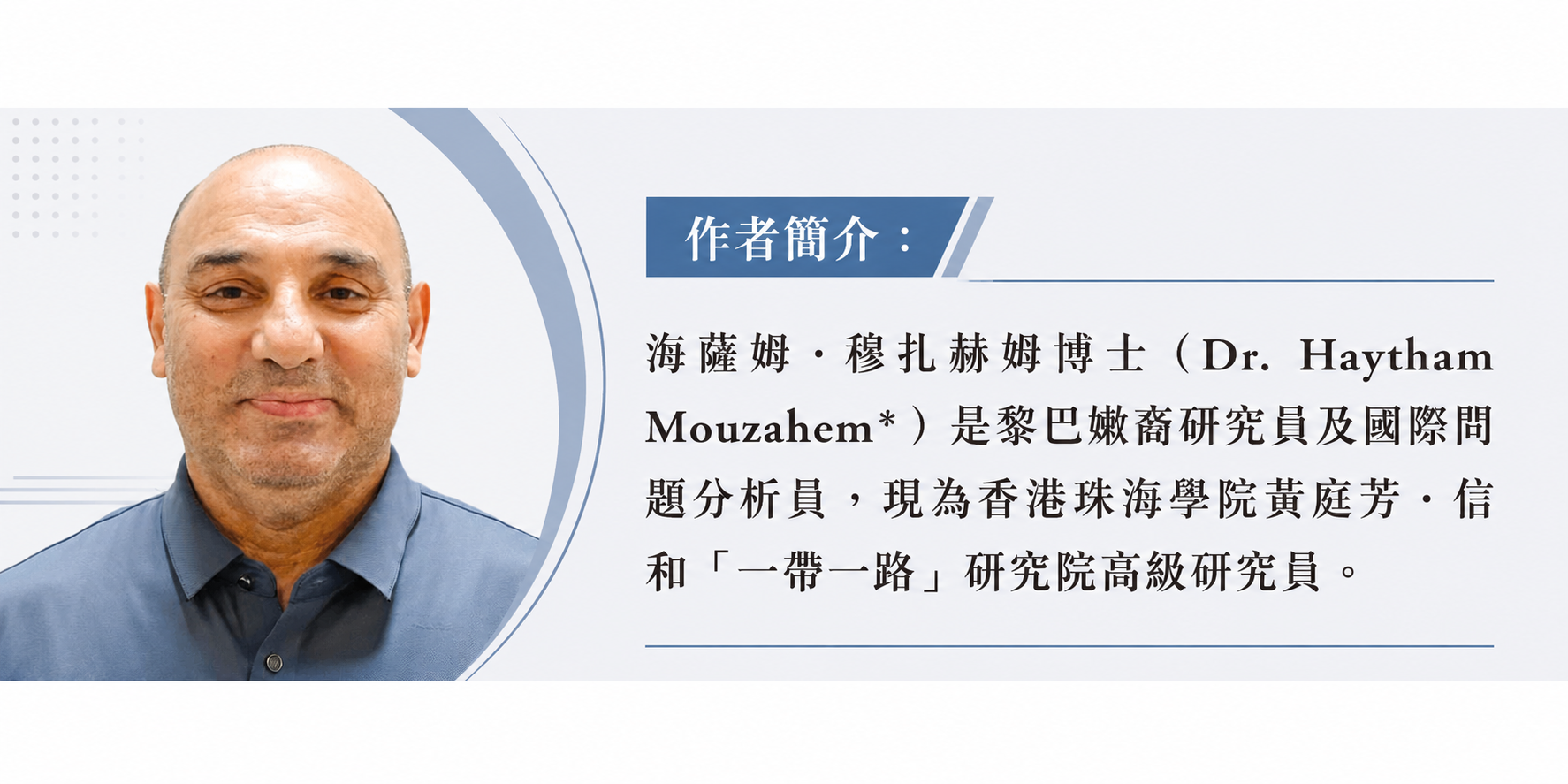
文/海薩姆·穆扎赫姆博士
編者註:本文根據作者英文原稿編譯及改寫,並按截至2026年7月29日的最新進展,更新美沙核協議內容、特朗普新增條件及國會審查安排。由於協議完整文本尚未公開,涉及鈾濃縮等敏感條款,仍以美國官方公布及多家媒體披露為準。
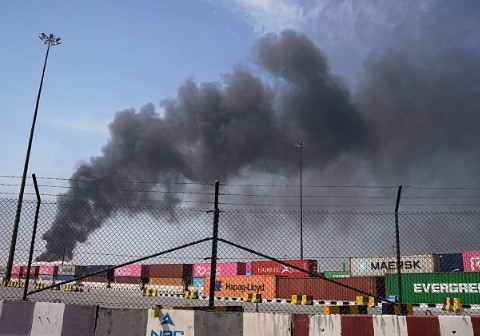
一份被美國政府稱為「歷史性」的核能合作協議,在簽署後短短一天便出現變數。
7月22日,美國能源部長克里斯·賴特與沙特能源大臣阿卜杜勒阿齊茲·本·薩勒曼簽署民用核能合作協議,即俗稱的「123協議」,並同時簽署雙邊核保障安排。
美國能源部表示,協議將為兩國建立一項歷時數十年、規模達數十億美元的核能合作關係,讓美國企業參與沙特核能市場。沙特官方則表示,協議將促進和平利用核能、技術交流和能源多元化,並遵守核安全及核不擴散標準。
但協議公布翌日,美國總統特朗普突然為它加上一個重要條件:沙特必須加入《亞伯拉罕協議》,與以色列建立正式外交關係,否則美方不會繼續推進核合作。
特朗普同時表示,這只是一項民用核能協議,「不包括鈾濃縮」。
問題是,這兩項說法均未出現在美國能源部與沙特最初公布的官方摘要中。沙特官方公告也沒有提及與以色列關係正常化是協議生效的前提。
於是,一份原本被包裝為能源與商業合作的協議,迅速變成一場涉及鈾濃縮、美沙互信、以沙建交和中東核安全的政治爭議。
尤其在美伊軍事衝突仍未平息、美沙又於7月29日聯合打擊伊朗支持的伊拉克武裝組織之際,任何可能改變中東核平衡的安排,都難以被視為單純的民用能源項目。
「123協議」不是核電站訂單
所謂「123協議」,名稱來自美國《原子能法》第123條。
根據美國法律,美國若要向其他國家出口核反應堆、核燃料、關鍵設備或敏感核技術,通常必須先與對方簽署這類合作協議。
簡單來說,它不是一張要求核電站立即動工的建設合約,而是一張法律上的「入場券」。
協議生效後,美國企業才可進一步參與沙特核電站的設計、建設、燃料供應、技術培訓和設備出口。沙特仍需要另行決定採用哪一種反應堆、由哪家公司承建,以及如何融資和選址。
西屋電氣被視為最可能受益的美國企業之一,其AP1000反應堆可能參與沙特未來核電項目的競標,但現階段尚未有正式建設合約。
因此,原稿所稱「協議規定由西屋建造AP1000反應堆」並不準確。美國官方目前只表示,協議將為美國企業提供更大市場准入機會。
產油大國為何還要發展核電?
作為全球主要石油出口國,沙特發展核能,表面上似乎有些矛盾。
但沙特國內的電力需求不斷增加。工業生產、城市發展、空調和海水化淡,都需要大量能源。若繼續使用石油發電,意味着一部分原本可以出口的石油,要留在國內消耗。
核電一旦投入使用,便可以承擔較穩定的基礎電力供應,讓沙特把更多石油用於出口或石化工業。
這也符合王儲穆罕默德·本·薩勒曼推動的經濟轉型方向:發展新產業、擴大科技能力,並降低國家對原油收入和傳統能源結構的依賴。
從民用能源角度看,沙特建設核電並不令人意外。
真正引發警覺的,是它是否同時掌握鈾濃縮和乏燃料後處理技術。
最大爭議:沙特到底能不能濃縮鈾?
這是整份協議最敏感、也是目前說法最混亂的部分。
美聯社及路透社引述知情人士和協議內容報道,這項為期約30年的安排,可能為沙特將來建立本土鈾濃縮設施留下通道。美沙兩國據報將先進行為期兩年的聯合研究,再決定是否有必要在沙特境內建設相關設施。
但特朗普其後公開表示,協議不允許沙特濃縮鈾。
截至7月29日,公開資料仍無法完全解釋這項矛盾。
一種可能是,協議沒有立即批准沙特濃縮鈾,但也沒有要求沙特永久放棄相關權利,而是把決定留到兩年研究完成之後。
也就是說,沙特目前可能尚未取得濃縮技術,卻保留了一條日後發展相關能力的法律通道。
由於協議完整文本尚未公開,現階段不能簡單斷言「沙特已獲准濃縮鈾」,但同樣不能說濃縮選項已被完全排除。
這種模糊,本身就是風險。
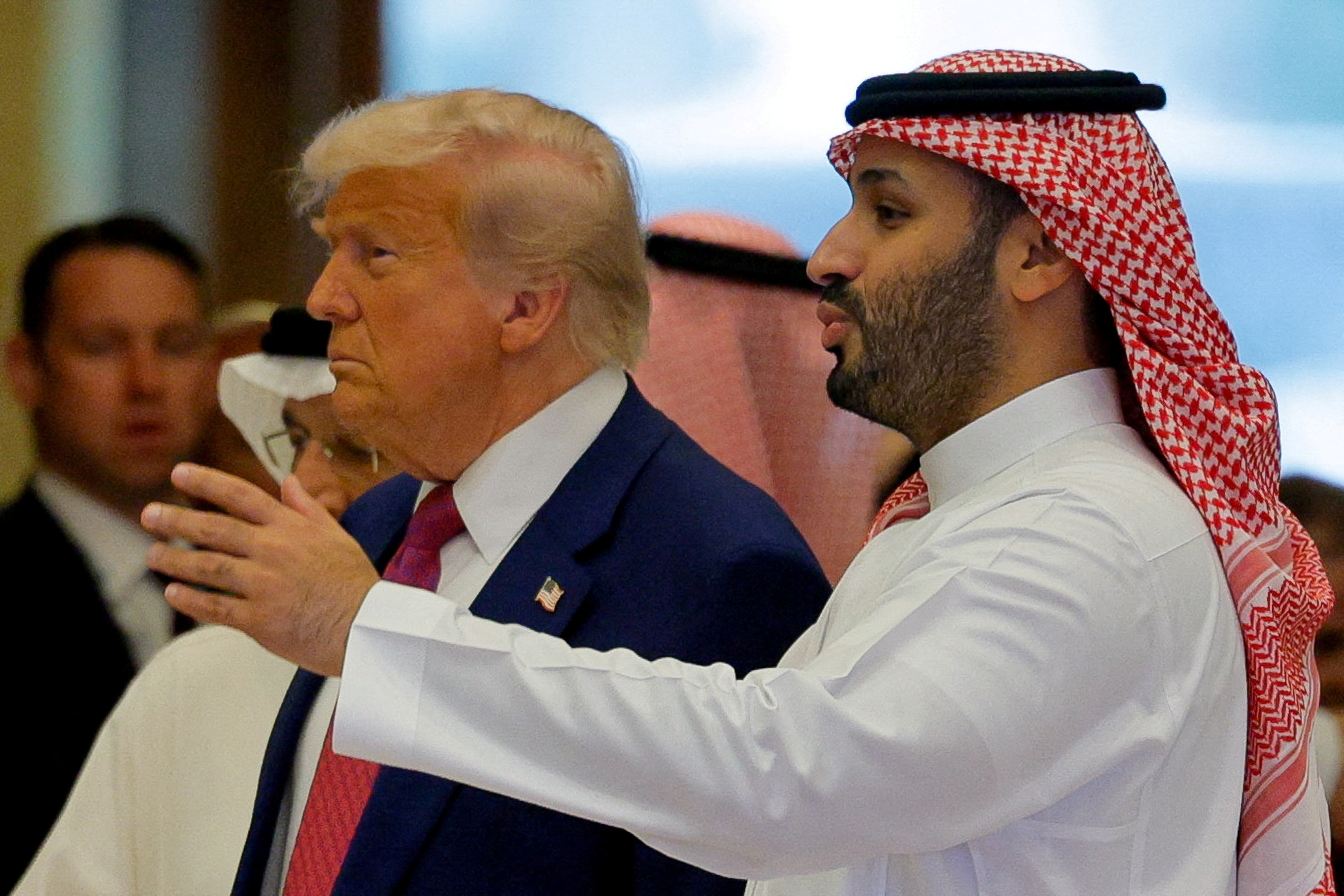
為何鈾濃縮如此敏感?
大部分核電反應堆使用的鈾,需要先經過低度濃縮,提高鈾—235的比例。
民用核電通常只需較低濃度的核燃料,但只要一個國家擁有足夠數量的離心機、熟練技術人員和核材料,同一套設施也可能進一步提高濃縮水平。
乏燃料後處理也具有雙重用途。
它可以回收使用過的核燃料,但同時可能從乏燃料中分離出鈈。高濃縮鈾和分離鈈,都是核武器可使用的裂變材料。
這並不代表掌握濃縮或後處理技術的國家一定會製造核武器。
但它意味着,這個國家一旦作出政治決定,從民用核計劃轉向核武器能力所需的時間和技術距離,將大幅縮短。
對彼此缺乏信任、又長期處於軍事對抗的中東國家來說,這種「核門檻能力」本身就可能引發安全焦慮。
沙特沒有接受阿聯酋式「黃金標準」
2009年,美國與阿聯酋簽署同類核能合作協議。
阿聯酋當時承諾,不在本國進行鈾濃縮,也不進行乏燃料後處理。核燃料從國際市場購買,使用後再交由外部處理。
這項安排被稱為中東民用核合作的「黃金標準」:一個國家可以建設核電站,但不必同時掌握最容易通往核武器材料的敏感技術。
沙特卻一直不願接受完全相同的限制。
利雅得認為,作為《不擴散核武器條約》締約國,沙特有權和平利用核技術,不應被要求永久放棄本土核燃料循環。
美國國會研究處指出,「123協議」本身並不要求合作國家必須放棄濃縮和後處理;但美阿協議特別規定,一旦阿聯酋在境內發展相關活動,美國有權終止合作。
問題在於,如果沙特獲得比阿聯酋更寬鬆的條件,阿聯酋也可能要求重新談判自己的協議,其他中東國家亦可能尋求同等待遇。
原本希望成為地區標準的「黃金標準」,反而可能被逐步瓦解。
核查機制為何受到質疑?
另一個焦點,是國際原子能機構的《附加議定書》。
在一般核保障監督制度下,國際原子能機構主要檢查一個國家已經申報的核材料和核設施。
《附加議定書》則賦予核查人員更大的查證權力,包括取得更多核活動資料、進入更多地點,以及更有效調查未申報核活動。
據美聯社披露,美沙協議沒有把實施《附加議定書》列為沙特開展核合作的必要條件,取而代之的是美沙雙邊核保障安排。
美國能源部表示,相關安排符合嚴格的核安全和核不擴散標準;但由於文本未完全公開,外界尚不清楚,雙邊核查究竟能否提供與《附加議定書》相同的透明度。
雙邊機制可能只覆蓋由美國供應的設備、材料和指定設施。
《附加議定書》關注的,則是一個國家整體是否存在未申報核活動。
兩者並不完全相同。
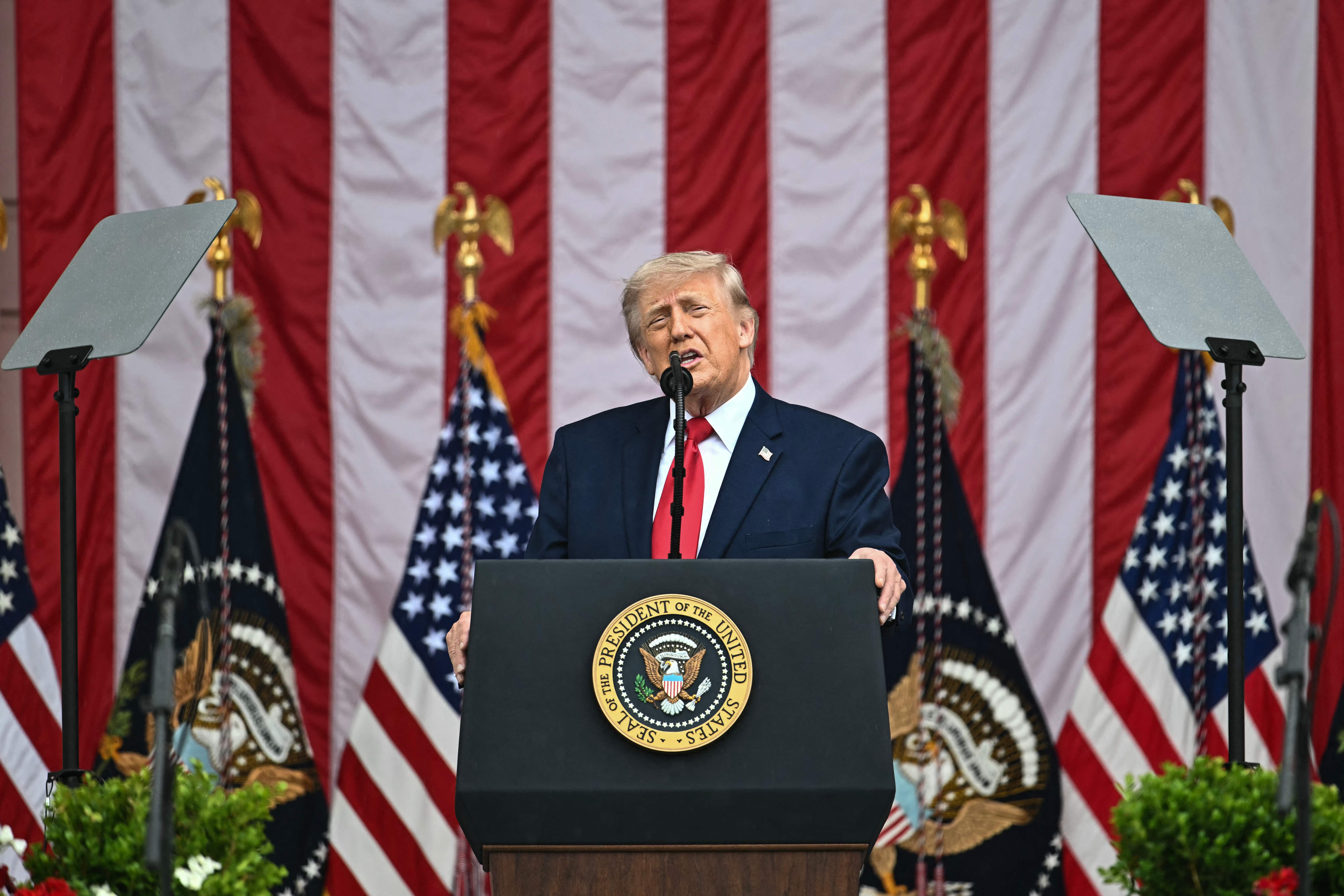
特朗普突然加入以沙建交條件
協議簽署後,特朗普又把核合作與沙特加入《亞伯拉罕協議》掛鈎。
《亞伯拉罕協議》是美國推動部分阿拉伯國家與以色列建立外交關係的一套安排。阿聯酋、巴林等國已經加入,但沙特一直沒有正式承認以色列。
沙特的公開立場是,在巴勒斯坦建國問題沒有取得可信、不可逆轉的進展前,不會與以色列實現全面關係正常化。
因此,特朗普新加入的條件並不是一項容易完成的外交程序,而是把美沙核合作與整個巴勒斯坦問題綁在一起。
特朗普聲稱,這項條件一直是協議中的基本共識;但路透社報道,他在協議簽署前並未與能源部長賴特具體討論這項要求。
美國能源部和沙特最初的官方公告,也沒有提及《亞伯拉罕協議》。
這令人產生一個疑問:美沙雙方簽署的,究竟是不是同一套政治安排?
美國為何願意放寬條件?
從華盛頓的角度看,沙特無論如何都會發展核能。
若美國拒絕合作,利雅得可以選擇中國、俄羅斯、法國或韓國的技術。
美國若參與,至少可以透過協議設定部分核保障條件,同時讓美國企業獲得價值數百億美元的合約,維持美國在全球民用核能市場的競爭力。
美國能源部在公布協議時,特別強調擴大核技術出口、創造美國就業和加強美國的戰略競爭優勢。
這說明,協議不只是為沙特提供清潔能源,也是在與中國和俄羅斯爭奪中東核能市場。
華盛頓面對的選擇,並非單純是「讓不讓沙特發展核能」,而是:
由誰向沙特提供技術?
由誰制定安全規則?
以及美國願意為保住市場,放寬多少核不擴散要求?
伊朗問題令「雙重標準」更加突出
美沙核協議公布的時間點格外敏感。
美國與以色列長期以阻止伊朗取得核武器為由,要求德黑蘭限制鈾濃縮,並對其核設施、核材料和核查安排提出嚴格要求。
如今,美國卻可能為沙特保留發展本土濃縮能力的選項。
這不代表沙特與伊朗的核計劃完全相同,也不代表沙特已決定發展核武器。
但在政治觀感上,美國很難解釋:為甚麼伊朗的濃縮能力被視為不能接受的威脅,沙特卻可能透過雙邊合作協議保留同類技術路徑?
沙特王儲穆罕默德·本·薩勒曼過去曾明確表示,沙特不希望擁有核武器,但如果伊朗製造核彈,沙特也會迅速採取同樣行動。
正因如此,沙特的鈾濃縮問題很難被外界當作純粹的能源政策。
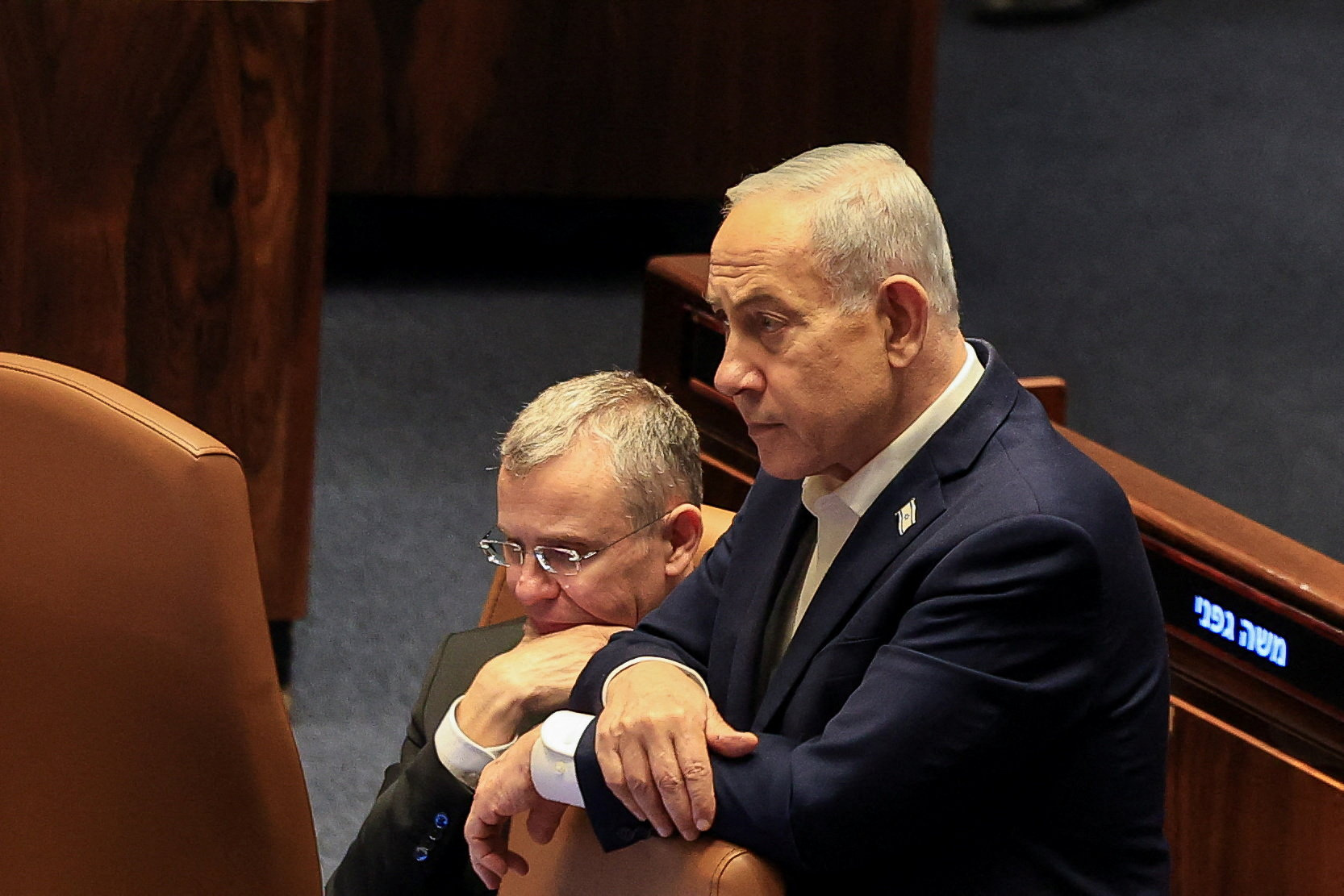
以色列也擔心核平衡被打破
以色列長期奉行「核模糊」政策,既不承認也不否認擁有核武器,並且不是《不擴散核武器條約》締約國。
以色列被普遍認為是中東唯一擁有核武庫的國家。美國科學家聯合會2026年的公開估算認為,以色列可能擁有約90枚核彈頭,但具體數量因以色列高度保密而無法核實。
美沙協議公布後,多名以色列前官員和反對派政治人物警告,沙特一旦取得濃縮能力,其他中東國家也可能提出同樣要求,最終破壞以色列長期保持的核優勢。
諷刺之處在於,美國一方面以阻止核擴散為理由對伊朗動武,另一方面又為了商業利益和地緣競爭,考慮給予沙特比阿聯酋更寬鬆的條件。
這種政策如果缺乏清晰、一致的核不擴散原則,最終可能令美國更難阻止其他國家提出相同要求。
國會能否阻止協議?
美沙核協議接下來需要進入美國國會審查程序。
根據《原子能法》,國會對「123協議」有合共90個連續會期日的審查期。
如果協議沒有豁免法律規定的核不擴散要求,它可在審查期結束後生效,除非國會通過聯合反對決議,而且該決議正式成為法律。
總統可以否決國會的反對決議。屆時,參眾兩院都要取得三分之二多數,才可推翻總統否決。
因此,即使民主黨議員和部分共和黨人對協議有疑慮,要真正阻止它仍然十分困難。
美國軍控協會等核不擴散組織已呼籲國會拒絕或修改協議,要求加入更嚴格的濃縮限制和國際核查安排。他們擔心,若美國首次協助中東國家建立本土濃縮能力,將為其他國家追求「核門檻能力」打開大門。
核競賽未必從製造核彈開始
中東核競賽未必會由某個國家突然宣布擁有核武器開始。
它可能以一連串看似和平的決定逐步形成:
沙特要求建立本土核燃料能力;
阿聯酋要求取得與沙特相同的待遇;
土耳其和埃及提出不能在技術上落後;
伊朗則以其他國家擴大核能力為理由,拒絕進一步限制自己的核計劃。
每一個國家都可以聲稱,自己的核設施只用於發電、醫療和科學研究。
但當彼此缺乏信任的國家同時掌握濃縮、後處理及大量核材料時,區域安全便會由「有沒有核武器」,逐漸轉變成「誰能最快製造核武器」。
這種局面被稱為「潛在核擴散」:各國可能暫時不製造核彈,卻競相取得一旦需要便可迅速跨過核門檻的能力。
真正的危險,是規則不再一致
美沙核合作本身並不必然導致沙特製造核武器。
沙特發展核電,也有合理的能源和經濟需要。
但這份協議正在創造一個危險先例:美國是否願意為了商業合同、與中俄競爭及推動以沙建交,放寬自己長期主張的核不擴散標準?
截至7月29日,幾個最重要的問題仍未獲得答案:
沙特是否被允許濃縮鈾?
兩年研究結束後,誰有權批准建立濃縮設施?
美沙雙邊核保障,能否取代國際原子能機構的《附加議定書》?
沙特是否必須先承認以色列,協議才能生效?
完整文本公開前,這些問題仍難有定論。
但可以肯定的是,這已不只是一份核電合作協議。
它同時牽動美國與中俄的科技競爭、沙特與以色列的關係、伊朗核問題,以及中東未來數十年的安全平衡。
沙特建設核電站未必會引爆核軍備競賽。
真正可能引爆競賽的,是當區內每一個國家都開始提出同一個問題:
既然其他國家可以保留敏感核能力,為甚麼我們不可以?
以下為英文原文:
A "Historic" US-Saudi Nuclear Deal: Will It Ignite a Nuclear Race in the Middle East?
By Dr. Haytham Mouzahem*|
The United States and Saudi Arabia signed a historic agreement Wednesday July 22, for cooperation in the field of civilian nuclear energy, known as the "123 Agreement." This agreement aims to establish a decades-long partnership and invest billions of dollars in developing the Kingdom's domestic nuclear infrastructure.
This agreement is part of Crown Prince Mohammed bin Salman's economic vision to utilize nuclear power for electricity generation, thereby freeing up more oil for export.
The US Department of Energy announced that the United States and Saudi Arabia reached a historic agreement on civilian nuclear energy, allowing the Kingdom to build nuclear reactors using US technology and enrich uranium.
The Department stated that US Energy Secretary Chris Wright and his Saudi counterpart, Prince Abdulaziz bin Salman, signed the agreement, known as the 123 Agreement, along with a bilateral safeguards agreement.
The 30-year agreement grants US companies like Westinghouse priority access to build and supply nuclear reactors and fuel to the Kingdom, effectively preventing foreign competitors, particularly China and Russia, from gaining a foothold in this vital sector.
However, the agreement is not an immediate contract for reactor construction; rather, it is an enabling legal framework. The Kingdom will subsequently need to select the technology, partners, and financing and construction arrangements.
The agreement stipulates the construction of AP1000 reactors, valued at tens of billions of dollars, by Westinghouse, a company jointly owned by Canada's Cameco (CCO.TO) and Brookfield Asset Management (BAM.N).
The agreement requires a feasibility study for the use of US technology in Saudi Arabia. This study, coupled with the slow pace of nuclear power plant construction and uranium enrichment, means that building the necessary infrastructure could take many years.
The Work on a civilian nuclear energy agreement with Saudi Arabia has been ongoing within the previous US administrations, both during Donald Trump's first term and Joe Biden's presidency. However, no agreement had been reached as of Wednesday, partly due to the Biden administration linking the deal to Saudi Arabia normalizing relations with Israel and warnings from nuclear nonproliferation organizations that the agreement could give Saudi Arabia a pathway to developing a nuclear weapon.
Unlike Biden's plan, the current agreement does not include the so-called Additional Protocol, which allows the UN's International Atomic Energy Agency (IAEA) to conduct snap inspections. The agreement would also allow Saudi Arabia to enrich uranium and reprocess nuclear waste, two potential pathways to a nuclear weapon. The United Arab Emirates agreed to forgo these activities when it signed a similar agreement with the United States in 2009.
Nuclear Proliferation Risks
The US Department of Energy stated that the agreement will now be submitted to Congress. It will take effect unless Congress objects within 90 days of its convening. However, it would require a two-thirds majority vote to override a presidential veto.
The US administration clarified that the agreement also adheres to the nuclear nonproliferation treaties enshrined in the US Atomic Energy Act, which are among the strongest in the world.
Opponents have long argued that providing Saudi Arabia with a domestic nuclear program would ignite a race in the Middle East among other countries to acquire similar capabilities. Israel, known for its clandestine nuclear program and estimated possession of some 200 nuclear warheads, has expressed concerns that the agreement could lead to a regional arms race.
Saudi Crown Prince Mohammed bin Salman has repeatedly asserted that the kingdom does not want nuclear weapons, but will acquire them if Iran does, raising concerns about potential proliferation.
Several Democratic lawmakers have warned that the agreement could ignite an arms race in the Middle East as the US-Israeli conflict with Iran continues. Senator Chris Murphy said the agreement “will ignite a nuclear arms race in the region, which will discourage Iran from curbing its nuclear program.”
"They are allowing Saudi Arabia, an aggressive and authoritarian state, to develop nuclear weapons technology while they wage war on Iran under the pretext of preventing Iran from acquiring a nuclear bomb," said Democratic Senator Edward Markey. "This agreement will make us all less safe."
However, Murphy and his congressional colleagues are likely to face difficulty in blocking the agreement, as Congress would need to pass a joint resolution and secure a two-thirds majority to override a presidential veto.
Kelsey Davenport, director of nonproliferation policy at the Arms Control Association, stated: “We urge all members of Congress from both parties to recognize the risks and exercise their authority to reject or amend the Trump administration’s proposed nuclear agreement with Saudi Arabia, so that it does not open the floodgates to nuclear proliferation in the Middle East.”
Republican Senator Jim Risch added that he agrees with the Saudi crown prince that the agreement will benefit both countries.
The Gold Standard
The agreement essentially means:
US Commercial Dominance: This agreement gives US companies, such as Westinghouse, priority access to build and supply nuclear reactors and fuel to the kingdom, effectively barring foreign competitors.
Uranium enrichment: Unlike previous US agreements with other Middle Eastern countries (such as the UAE), this agreement reportedly allows Saudi Arabia to enrich uranium and reprocess spent fuel domestically, with additional bilateral nuclear safeguards.
Regional tensions: The absence of a strict “gold standard” (which would have prohibited uranium enrichment in Saudi Arabia) and the allowance of domestic uranium reprocessing have raised concerns in the region.
When the United States concluded a similar agreement with the United Arab Emirates, the UAE agreed not to pursue uranium enrichment or spent nuclear fuel reprocessing—a measure known as the “gold standard” for countries seeking nuclear power.
Saudi Arabia has repeatedly stated that if it cannot partner with the United States, it can partner with China or Russia, which adhere to different standards regarding nuclear nonproliferation.
However, the construction of a domestic uranium enrichment and spent fuel reprocessing facility will follow a two-year joint study to determine the need for it. This differs from the “gold standard” agreement signed by the UAE in 2009, in which it waived its right to enrichment and reprocessing.
Also concerning is that the agreement does not include the International Atomic Energy Agency’s Additional Protocol, which grants the agency broad and unannounced inspection powers, thus limiting the agency’s ability to fully monitor Saudi Arabia’s nuclear activities, despite the existence of a bilateral safeguards agreement with Washington.
The agreement raises serious concerns about a potential nuclear arms race in the Middle East, especially given the ongoing US-Israeli campaign against Iran under the pretext of preventing it from acquiring nuclear weapons.
Ironically, the United States and Israel have already waged two wars against Iran and are threatening a third under the same pretext of preventing Iran from acquiring nuclear weapons, despite Iran having signed a nuclear agreement with the five permanent members of the UN Security Council plus Germany (the P5+1), including the US, which withdrew from the agreement in 2018. Furthermore, Iran has signed the Additional Protocol to the Treaty on the Non-Proliferation of Nuclear Weapons in 2003, and its facilities are subject to inspection by the International Atomic Energy Agency.
It is noteworthy that most of the dispute between the US and Iran regarding the nuclear program concerns Iran's right to enrich uranium to low levels for peaceful purposes, such as medical research. Washington and Israel insist on denying Tehran this right, guaranteed by the Nuclear Non-Proliferation Treaty and the 2015 nuclear agreement (Joint Comprehensive Plan of Action), after having almost completely destroyed its nuclear facilities, including those under construction, all of which were approved and monitored by the International Atomic Energy Agency. Ironically, this agreement allows Saudi Arabia to enrich uranium and reprocess spent fuel domestically.
It is worth noting, the United States, the West, the United Nations, and the International Atomic Energy Agency have all remained silent regarding Israel's refusal to sign the Nuclear Non-Proliferation Treaty, its refusal to allow UN inspections of its nuclear facilities, and the confirmation by US, Western, and Israeli intelligence reports that it possesses 200 nuclear warheads. Furthermore, Israeli ministers have threatened to use nuclear weapons against the Gaza Strip in the 2023-2024 war, and former Israeli Prime Minister Golda Meir threatened to use nuclear bombs against Arab states during the 1973 war.
In conclusion, the nuclear agreement between the United states and the Saudi Arabia represents a significant shift in US policy, prioritizing economic and strategic competition (to counter Chinese and Russian influence) over traditional non-proliferation considerations. This would create a dangerous precedent in a volatile region and raising questions about how to deter other countries from pursuing nuclear weapons in the future. Turkey, Egypt, Algeria, Morocco, Jordan, and UAE are building nuclear reactors for electricity or scientific research.
Dr. Haytham Mouzahem is a Lebanese academic, senior fellow at NSBRII institute – Hong Kong Chu Hai College.
 0
已點過讚
0
已點過讚





評論(0)
0 / 255