






黎以談判釋放撤軍信號 5個「試點地區」能否打開停火突破口?

- 普通話
- 廣東話

- 超大
- 大
- 標準
- 小
文/海薩姆·穆扎赫姆博士(Dr. Haytham Mouzahem)
編者按:本文根據海薩姆·穆扎赫姆博士提供的英文原稿編譯及改寫,英文原文附於文末。
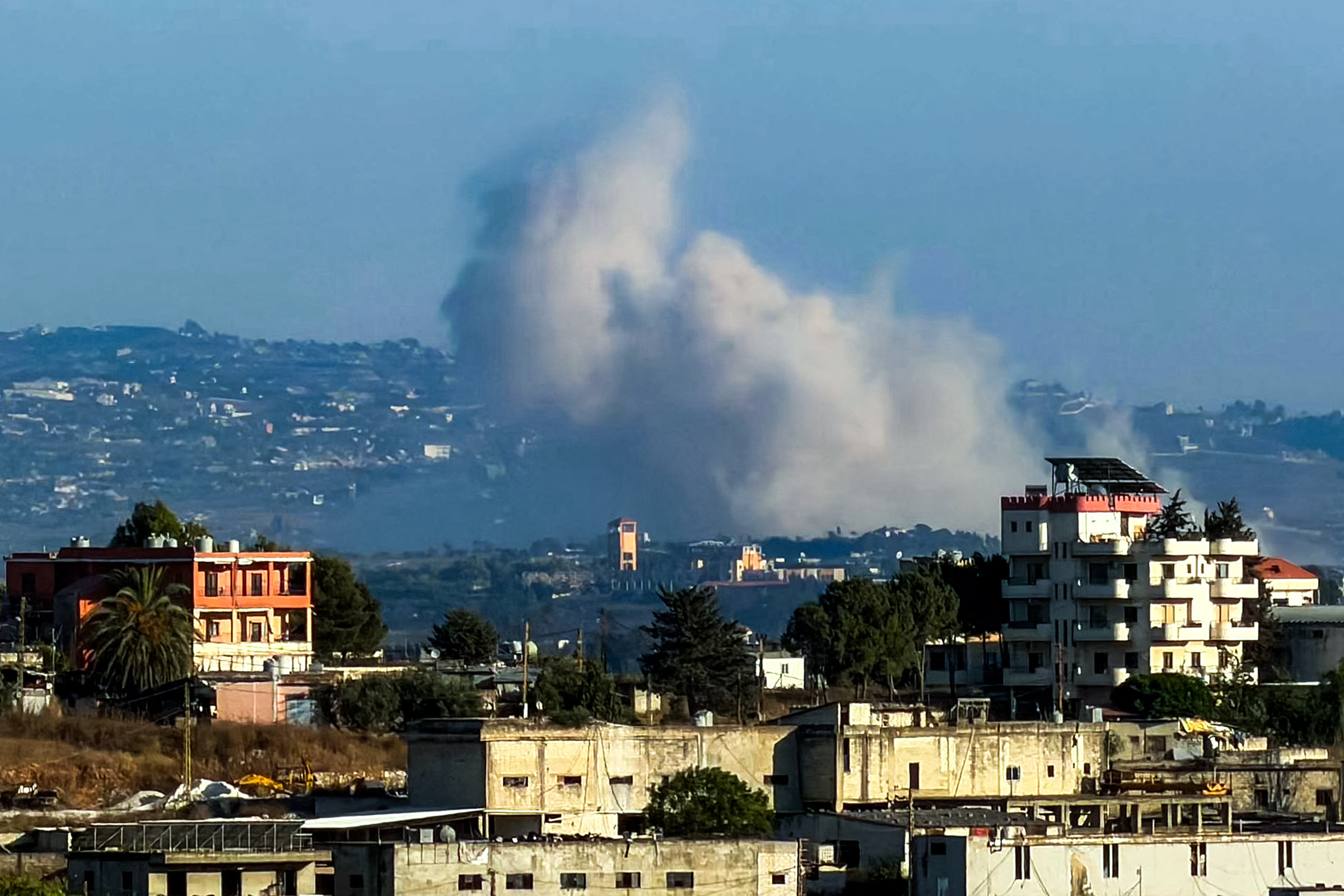
黎巴嫩與以色列之間的第六輪直接談判,7月15日在羅馬結束。
這場由美國斡旋的談判,沒有立即帶來全面撤軍,也沒有解決真主黨武裝等最棘手問題,但雙方至少向前走了一步:先選出幾個黎巴嫩南部村鎮,測試以軍撤離、黎巴嫩政府軍接管,以及第三方監督能否同時落實。
這些地方被稱為「試點地區」。
試點一旦成功,可能成為以軍分階段撤出黎巴嫩南部的起點;一旦失敗,6月26日在華盛頓簽署的「框架協議」,也可能停留在紙面上。
美方把羅馬談判形容為「具建設性且正面」,表示各方已就試點地區的運作架構和基本指引達成共識,預計未來數日敲定程序並啟動執行。其後,談判將進入更具體的技術階段,討論整份框架協議如何落實。
甚麼是「試點地區」?
所謂「試點地區」,可以理解為一場小規模的實地測試。
以軍先從指定地區撤出,黎巴嫩政府軍隨即進駐,負責當地安全;與此同時,當地的非國家武裝力量及軍事設施也要受到處理和監督。
如果這套安排能夠運作,再逐步擴展至其他由以軍控制或持續轟炸的黎巴嫩南部地區。
談判期間,雙方討論了5個可能納入首輪試點的村鎮,包括:
東祖瓦塔爾(Zawtar al-Sharqiyah)
西祖瓦塔爾(Zawtar al-Gharbiyah)
布爾傑卡拉維耶(Burj Qalawiyah)
斯里法(Srifa)
弗倫(Froun)
這些地方的情況並不完全相同。
東祖瓦塔爾目前有以軍駐紮;西祖瓦塔爾的外圍有以軍活動;其餘村鎮則是真主黨具有影響力、並持續遭到以軍轟炸的地區。
因此,選擇這幾個村鎮,是希望同時測試兩種情況:以軍如何撤出實際控制的地方,以及黎巴嫩政府軍如何接管仍處於交火和空襲威脅下的地區。
最關鍵的問題:以軍何時真正撤離?
羅馬談判雖然取得進展,但黎巴嫩最關心的問題仍未有明確答案——以軍何時全面撤離?
黎巴嫩代表團要求,首輪試點啟動後,必須同時列出後續撤軍階段和具體時間表,不能只選擇少數村鎮作象徵性撤離,卻讓以軍長期留在其他地區。
以色列則把撤軍與真主黨解除武裝、黎巴嫩政府軍能否控制南部,以及以色列北部居民的安全掛鈎。
目前,以軍仍控制黎巴嫩南部一條深入境內約10公里的地帶,並把它描述為保護以色列北部社區的「安全區」。黎巴嫩方面則認為,這是對其領土的持續佔領,要求以軍撤出。
換句話說,雙方對先後次序仍有根本分歧:
黎巴嫩希望以軍先撤,再由政府軍接管;以色列則要求先確保真主黨不再構成威脅,才願意撤走。
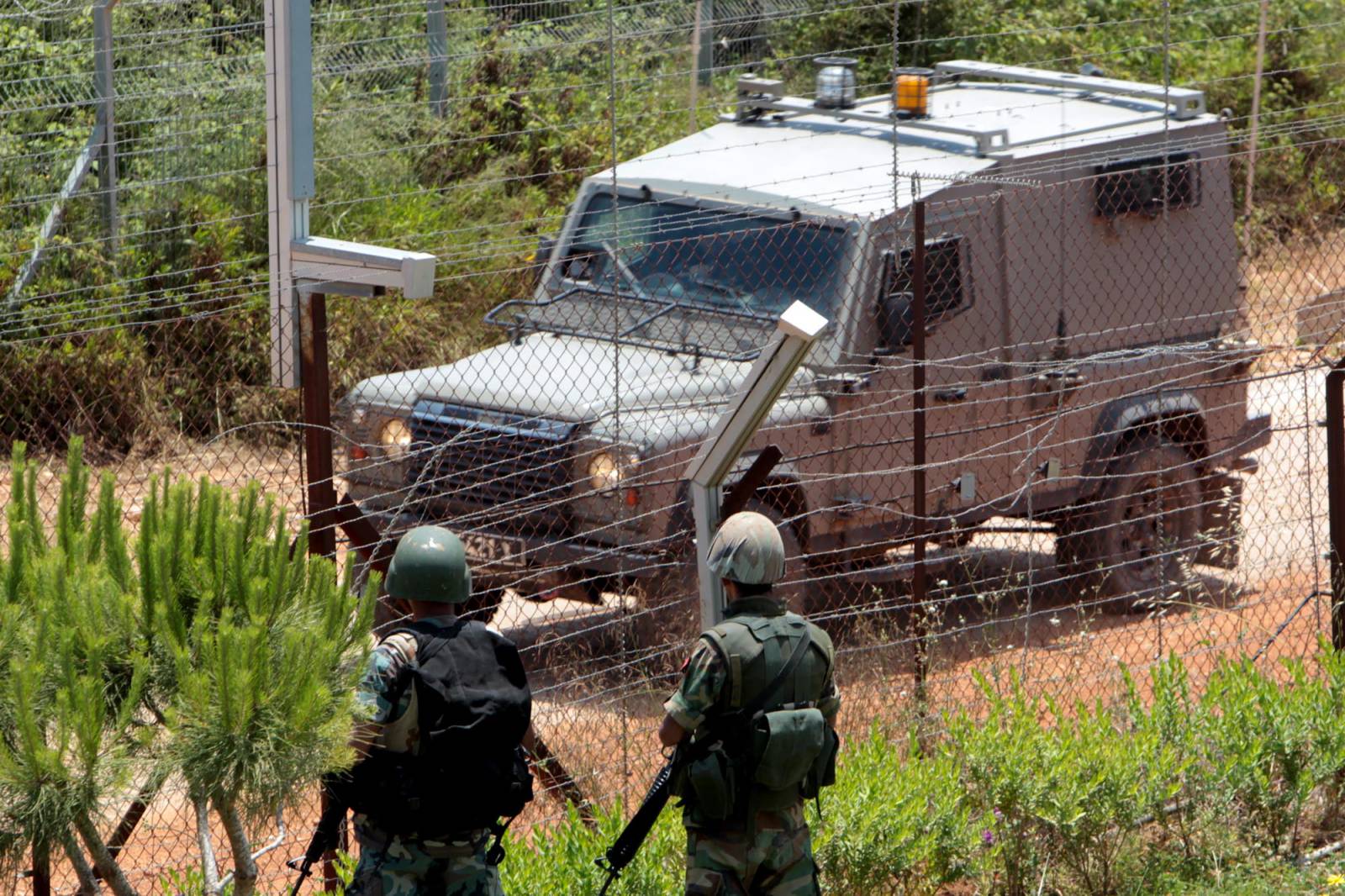
誰來判斷協議有沒有落實?
另一個爭議,是由誰負責核查。
以色列希望參與監督和核查工作,以確認真主黨是否撤走武器、軍事人員及相關設施。
黎巴嫩代表團則反對由以色列直接參與,認為佔據黎巴嫩領土的一方不能同時充當協議執行的裁判。
黎方主張,核查工作應按照「框架協議」交由第三方負責。談判中曾討論由美國承擔相關角色,也可能加入其他國際力量。
這並不只是程序問題。
誰掌握核查權,實際上就有能力判斷另一方是否「違約」,並可能以此決定撤軍是否繼續,甚至為新一輪軍事行動提供理由。
黎巴嫩政府:這是目前最可行的道路
黎巴嫩總統約瑟夫·奧恩對談判持正面態度。
他表示,「框架協議」是目前條件下可以取得的最佳方案,並已開始產生效果。奧恩還指,美國現在願意聆聽黎巴嫩的意見,相關問題已經送到美國總統的案頭。
他同時強調,黎巴嫩的目標明確,不會在國家權利問題上作出妥協。
對奧恩和總理納瓦夫·薩拉姆領導的政府而言,直接談判雖然政治風險很高,卻可能是現階段迫使以軍撤離、讓流離失所居民回家的少數選項之一。
但在黎巴嫩國內,不是所有人都接受這套說法。
真主黨批評:協議沒有真正保證撤軍
真主黨和阿邁勒運動等什葉派政治力量,對黎巴嫩政府參與直接談判及簽署「框架協議」提出強烈質疑。
反對者指出,協議作出了涉及黎巴嫩主權的重大讓步,卻沒有清楚寫明以軍必須撤離,也沒有列出完整撤軍時間表。
真主黨議員哈桑·法德拉拉更批評,這是黎巴嫩與佔領方達成的一份極其不利的協議。
按照真主黨的立場,協議沒有充分保障黎巴嫩的領土與主權,反而服務於以色列削弱並解除真主黨武裝的目標。
這也揭示黎巴嫩當前最深的政治矛盾:以軍撤離與真主黨交出武器,究竟哪一件事應該先發生?
黎巴嫩社會為何嚴重分裂?
一部分黎巴嫩人支持真主黨,認為在以軍仍然控制黎巴嫩領土的情況下,武裝力量仍有存在理由。
另一部分人則反對真主黨繼續保有獨立於國家之外的武器,並把近年的戰爭和巨大損失歸咎於真主黨的決策。
這場分裂可追溯至2023年10月8日。
在哈馬斯襲擊以色列南部、以色列大規模進攻加沙後,真主黨宣布開闢「支援戰線」,向以色列北部發動攻擊,表示要聲援加沙。
支持者認為,真主黨是在援助巴勒斯坦人並牽制以色列;反對者則認為,真主黨未經黎巴嫩政府和其他社會力量同意,便把整個國家帶入戰爭。
2024年的停火為何沒有帶來真正和平?
2024年,以色列與真主黨之間的衝突全面升級。
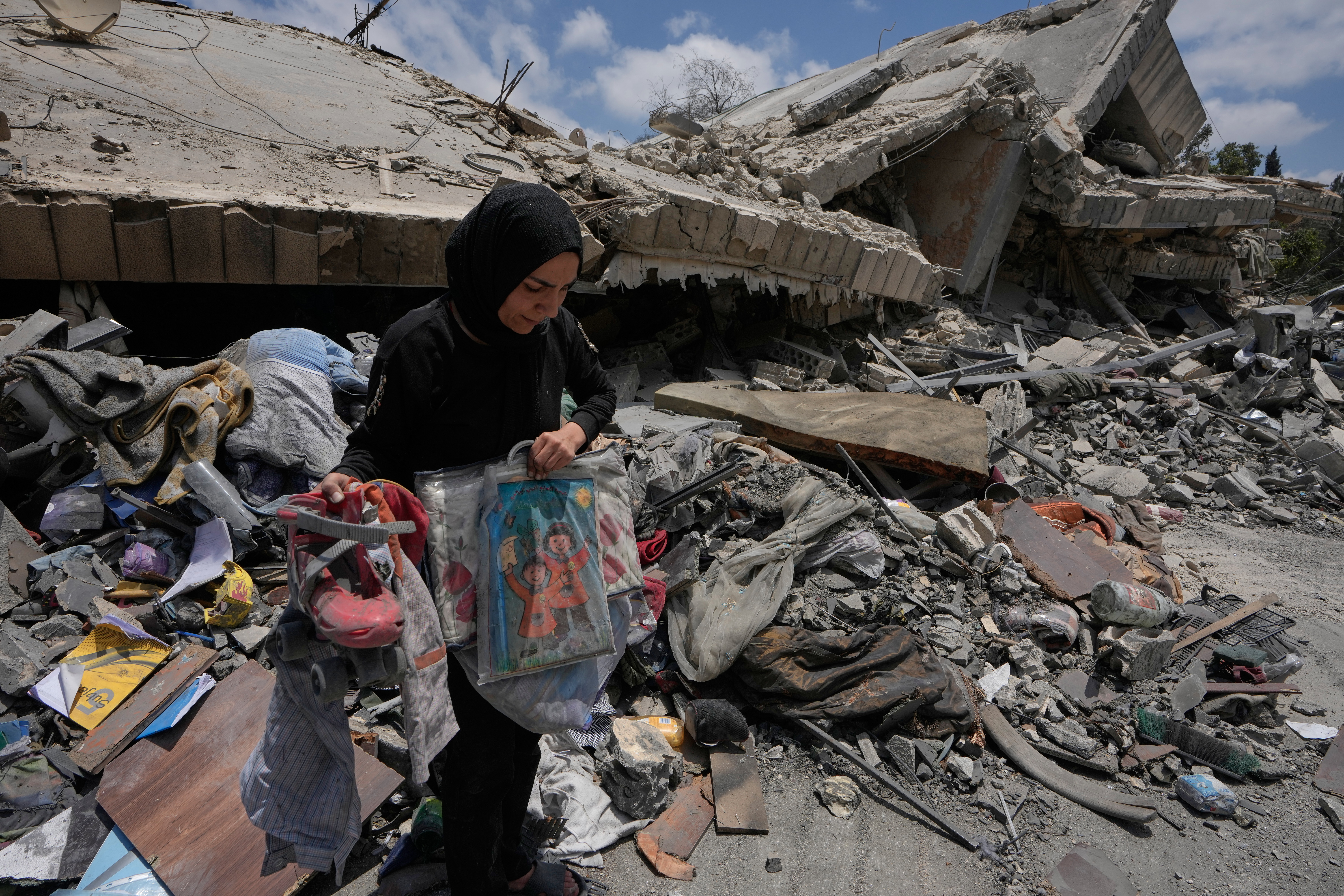
按照作者整理的數字,戰爭及其後續衝突造成大量真主黨成員和平民死亡,逾萬人受傷,超過100萬名居民被迫離開黎巴嫩南部、貝卡谷地及貝魯特南郊。
以軍的空襲和地面行動摧毀或破壞了黎巴嫩南部數十個城鎮和村莊,大量住宅、道路和基礎設施受損。貝魯特南郊、貝卡谷地,以至貝魯特市中心及黎巴嫩其他地區,也遭到不同程度的轟炸。
雙方最終於2024年11月27日停火,並同意重新落實聯合國安全理事會第1701號決議。
第1701號決議的核心安排包括:
真主黨武裝力量撤出利塔尼河以南地區;以軍撤出黎巴嫩領土;黎巴嫩政府軍與聯合國駐黎巴嫩臨時部隊,即聯黎部隊,進駐南部邊境地區。
然而,停火後的實際情況遠比文件複雜。
真主黨從部分地區撤出後,以軍並未全面離開,反而繼續控制多個位置。以軍無人機和戰機也持續在黎巴嫩境內發動襲擊,並以打擊真主黨人員及設施為由,轟炸南部、貝卡谷地和貝魯特南郊。
2026年戰爭令南部「安全區」進一步擴大
2026年2月底,美國與以色列對伊朗開戰。真主黨其後向以色列目標發射導彈,以色列則再次對黎巴嫩發動大規模軍事行動。
新一輪黎以戰爭於3月初全面爆發。
以軍向黎巴嫩南部推進,控制一片最深約10公里的邊境地帶。按照原文估算,相關區域約為600至800平方公里,佔黎巴嫩國土面積約8%。
戰爭再次造成大批居民流離失所。黎巴嫩南部、西貝卡谷地及貝魯特南郊逾百萬人被迫離開家園,大量城鎮、村莊和建築受損。
即使停火已經生效,以軍仍留在這片被其稱為「安全區」或「黃線」的地帶,並繼續發動空襲、定點攻擊及拆除房屋等行動。真主黨在最近一次停火前,也持續攻擊黎巴嫩南部的以軍。
這正是羅馬談判試圖處理的現實:如何把一條由戰爭形成的軍事控制線,逐步轉變為由黎巴嫩政府管理的正常國界。
「試點地區」是突破口,也是風險
從表面看,先從幾個村鎮開始,是一個相對務實的方案。
它避免雙方一開始便要處理整條邊境、真主黨全部武器和以軍全面撤離等幾乎不可能一次解決的問題。
但試點設計也可能成為新的陷阱。
如果以軍只從少數地區撤走,卻拒絕承諾後續時間表,試點可能變成無限期拖延全面撤軍的理由。
如果黎巴嫩政府軍進駐後,仍無法阻止真主黨活動,以色列也可能指責協議失敗,再次發動軍事行動。
而如果核查機制被任何一方主導,協議也可能淪為施壓另一方的工具。
因此,羅馬談判真正取得的並不是和平,而是一套測試和平能否運作的程序。
黎巴嫩最終仍要回答一個問題
如今,黎巴嫩政府、國會和社會仍然在幾個問題上嚴重分裂:
國家是否應完全壟斷武器?
真主黨是否應把武器交給黎巴嫩政府軍?
黎巴嫩應否與以色列直接談判?
以及在以軍尚未完全撤離之前,要求真主黨解除武裝是否現實?
這些問題不可能單靠一次羅馬會議解決。
但5個「試點地區」將成為第一場真正的實地考驗。
以軍是否按承諾撤走、黎巴嫩政府軍能否有效接管、第三方核查能否保持中立,以及真主黨是否接受新的安全安排,都將決定這份「框架協議」究竟是撤軍的起點,還是下一輪衝突前短暫的外交停頓。
以下是英文原文:
Lebanon-Israel Negotiations in Rome: Towards the Start of Withdrawal from "Experimental" Areas
By Dr. Haytham Mouzahem*
The sixth round of direct Lebanese-Israeli negotiations concluded in Rome on Wednesday, July 15, amid reports of progress in discussing the mechanisms for implementing the "framework agreement" between the two countries. This agreement was signed under US auspices in Washington on June 26, particularly concerning the commencement of the first phase and the Israeli withdrawal from the so-called "experimental areas," as well as the withdrawal timeline.
The US Embassy in Beirut described the talks between Lebanon and Israel in Rome as "fruitful and positive," announcing that "the participants agreed on the structure and guidelines for the operation of the experimental area, with the final procedures to be completed and implementation to begin in the coming days." The embassy added that "the next phase will witness the launch of extensive technical talks focused on implementing all the provisions of the tripartite framework, with the aim of reaching a comprehensive agreement between Lebanon and Israel."
Informed sources stated that the discussions focused on finalizing the understandings for launching the first phase of the agreement, with particular emphasis on setting a date for its implementation. The Lebanese delegation stressed the need to establish a timetable for the phases of the Israeli withdrawal from the remaining areas, following the implementation of the first phase in pilot areas intended to serve as a practical test of the agreement—a matter that remains unresolved. Negotiators discussed designating five "mixed" pilot areas in southern Lebanon, encompassing both occupied and bombarded territories, as a prelude to the deployment of the Lebanese army. Lebanese sources reported that an Israeli-Lebanese military meeting will be held on Friday, July 17, to discuss the technical details of the Israeli withdrawal and the deployment of the Lebanese army.
The Lebanese towns where the Lebanese army will be deployed are Zawtar al-Sharqiyah, currently occupied by the Israeli army; Zawtar al-Gharbiyah, with Israeli forces positioned on its outskirts; Burj Qalawiyah; Srifa; and Frun, villages where Hezbollah is present and which are subjected to continuous Israeli bombardment. The mechanism for verifying the implementation of the agreement was one of the most prominent issues discussed in the Rome negotiations. The Lebanese delegation stressed the necessity of limiting this task to a third party, as stipulated in the "framework agreement," and not to the Israeli side, which had been demanding participation in the verification team. The option of the American side undertaking this task was also raised.
Meanwhile, Lebanese President Joseph Aoun affirmed that "the framework formula is the best possible option, and it has begun to yield results," emphasizing that "Washington is now listening to Lebanon, and its file is on the US president's desk." He added, "Our objectives are clear, and we will not compromise regarding Lebanon's rights."
The Lebanese president and Prime Minister Nawaf Salam's government are facing criticism from some Lebanese forces and parties, particularly the Shiite Hezbollah and Amal Movements, due to Lebanon's entry into these negotiations and the signing of a framework agreement that contains many concessions regarding Lebanese sovereignty and no explicit mention of the term "Israeli withdrawal" or a timetable for its implementation.
In contrast, Hezbollah, a Lebanese party that has led the armed resistance against the Israeli occupation since the 1982 invasion of Lebanon, continued its criticism of the framework agreement. Hassan Fadlallah, a member of its parliamentary bloc, stated that the Lebanese government had presented "the worst agreement in the history of nations" with an occupying power, as the agreement does not include any Israeli commitment to withdrawal, nor does it preserve Lebanon's rights and sovereignty. Instead, it serves Israeli interests and aims to weaken and disarm the resistance.
Lebanon is currently witnessing a sharp division between two segments of the Lebanese population: one that supports Hezbollah and the resistance against the Israeli occupation, and another that opposes the party and the principle of resistance. The latter holds Hezbollah responsible for the latest Israeli aggression against Lebanon in the fall of 2014, as well as the war that began in early March 2016. This division stems from Hezbollah's opening of a front of support against Israel on October 8, 2013, in solidarity with the Gaza Strip following Hamas's attack on Israeli settlements in the Gaza envelope and Israel's brutal response against the Palestinian people.
The results of the Israeli war were catastrophic for Lebanon and Hezbollah, with more than 7,000 martyrs, including approximately 5,000 Hezbollah fighters and commanders, and the remainder being civilians. More than 15,000 people were injured, while over a million Shia citizens were displaced from southern Lebanon, the Bekaa Valley, and the southern suburbs of Beirut. Israel completely or partially destroyed dozens of towns and villages in southern Lebanon, demolishing homes, buildings, roads, and infrastructure in approximately 50 villages along the border with Israel. Israel prevents residents from returning to these villages and rebuilding most of them. It also completely or partially destroyed hundreds of buildings in the southern suburbs of Beirut, a Hezbollah stronghold, and hundreds of homes in cities, towns, and villages in southern Lebanon, the Bekaa Valley, and even in the heart of Beirut, as well as in parts of Mount Lebanon and northern Lebanon, through airstrikes.
The cost of rebuilding what Israel destroyed in Lebanon during the 2024 and 2026 wars is estimated at approximately $20 billion. After more than two months of brutal Israeli aggression against Lebanon and the assassination of a large number of Hezbollah leaders, including its Secretary-General Hassan Nasrallah, his successor Hashem Safieddine, and most of its senior military commanders, the party's fighters withstood Israel's attempt to invade southern Lebanon by land for more than 65 days, preventing Israeli forces from occupying any village along the front line. This prompted the Israeli government to agree on November 27, 2014, to a ceasefire and a return to the implementation of UN Security Council Resolution 1701, issued after the 2006 war.
This resolution stipulated the withdrawal of Hezbollah from the area south of the Litani River, between the river and the Israeli border, and the withdrawal of Israel from Lebanese territory. It also called for the deployment of the Lebanese army and UNIFIL forces in the area south of the Litani, opposite the border with Israel. After Hezbollah fighters withdrew from that area in late November 2024, in accordance with the ceasefire agreement, Israeli forces did not withdraw from some of the occupied Lebanese positions. Instead, they expanded their incursion, occupying most of the villages along the front line, demolishing the remaining houses, and bulldozing roads. They remained stationed in more than seven locations inside Lebanese territory, while their drones assassinated Hezbollah officials and members daily in their homes or civilian vehicles for 15 months. They also launched raids on the southern suburbs of Beirut and on towns and villages in the south and the Bekaa Valley, even after the ceasefire.
Approximately ten thousand Israeli violations of the ceasefire were recorded, resulting in the deaths of more than 500 Lebanese, the wounding of hundreds, and the destruction of dozens of buildings and homes. The United States, the sponsor of the ceasefire agreement, remained silent regarding these Israeli violations. Instead, Washington pressured the newly formed Lebanese government, established after the election of a new president, to disarm Hezbollah, which previous governments had considered a legitimate force for resistance and deterrence against Israeli occupation and aggression.
After Israel and the United States launched their war on Iran on February 28, 2016, and assassinated Iranian Supreme Leader Ali Khamenei and several other Iranian leaders, Hezbollah fired a number of missiles at Israeli targets. This led to a renewed Israeli war on Lebanon and the occupation of an area in southern Lebanon, ten kilometers deep and comprising approximately 8 percent of the country's total area (between 600 and 800 square kilometers). The war also resulted in the displacement of residents of southern Lebanon, the Western Bekaa Valley, and the southern suburbs of Beirut, with more than one million people displaced. The 2016 war resulted in the deaths of over 4,300 Lebanese and injuries to approximately 14,000, as well as the destruction of numerous cities, villages, and buildings. Despite the ceasefire declared last month, Israel continues its violations, including airstrikes, targeted attacks, destruction, and the bulldozing of homes in southern Lebanon.
Israel continues its occupation of this border area, which it calls a "security zone" or "yellow line," and refuses to withdraw from it. Meanwhile, Hezbollah continued its operations against Israeli forces in southern Lebanon until the latest ceasefire came into effect.
However, the Lebanese people, government, and parliament are currently deeply divided over the Lebanese authorities' monopoly on weapons, Hezbollah's surrender of its weapons to the Lebanese army, and the issue of direct negotiations with Israel and the aforementioned framework agreement.
*Dr. Haytham Mouzahem is a Lebanese researcher and analyst, a senior fellow at NSBRRI – Hong Kong Chu Hai College.
 0
已點過讚
0
已點過讚





評論(0)
0 / 255