







天下觀察|伊朗高官秘密訪俄有何目的?普京的真正籌碼或不在伊朗,而在烏克蘭

- 普通話
- 廣東話

- 超大
- 大
- 標準
- 小
文/海薩姆·穆扎赫姆博士(Dr. Haytham Mouzahem)
中文編譯及改寫/香港文匯報記者 胡恬恬
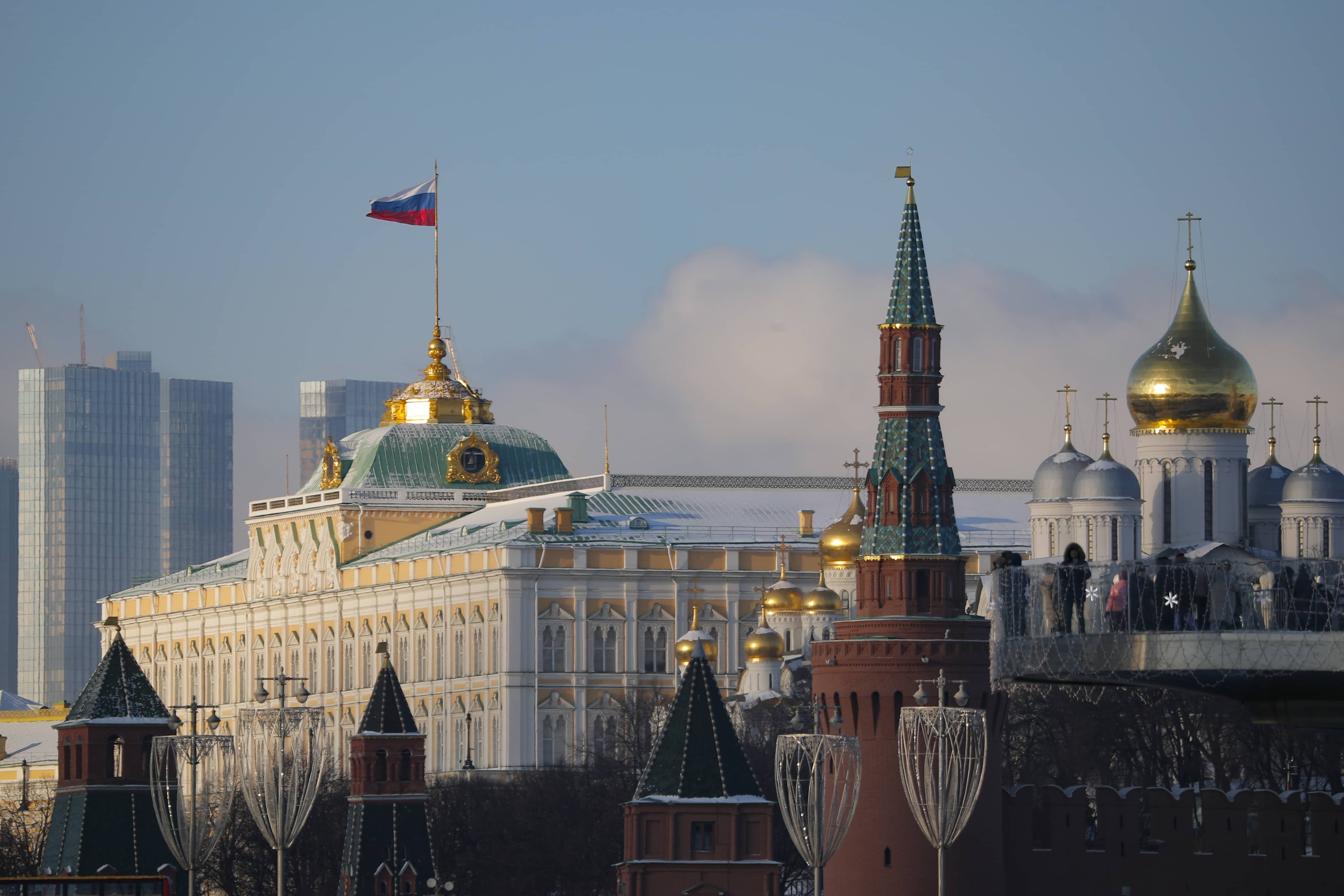
伊朗最高國家安全委員會秘書穆赫辛·雷扎伊(Mohsen Rezaei)近日在未有事先公開宣布的情況下到訪莫斯科,並向俄羅斯總統普京轉交伊朗最高領袖穆傑塔巴·哈梅內伊的親筆訊息。
這場突如其來的訪問,引發外界對其時機、目的,以及俄伊關係未來走向的種種猜測。
在美國與以色列對伊朗的軍事行動可能重啟、霍爾木茲海峽局勢持續緊張之際,德黑蘭顯然希望進一步借助俄羅斯的軍事及外交力量,為下一階段的博弈增加籌碼。
然而,就在雷扎伊與普京會面後不久,一個由俄羅斯軍事情報部門負責人率領的高級代表團,又罕見地到訪以色列。
莫斯科一邊與伊朗討論軍事合作,一邊與以色列保持接觸,甚至可能應美國要求參與斡旋。
普京究竟在下一盤怎樣的棋?
在我看來,俄羅斯真正希望獲得的回報,或許並不在中東,而在另一個戰場——烏克蘭。
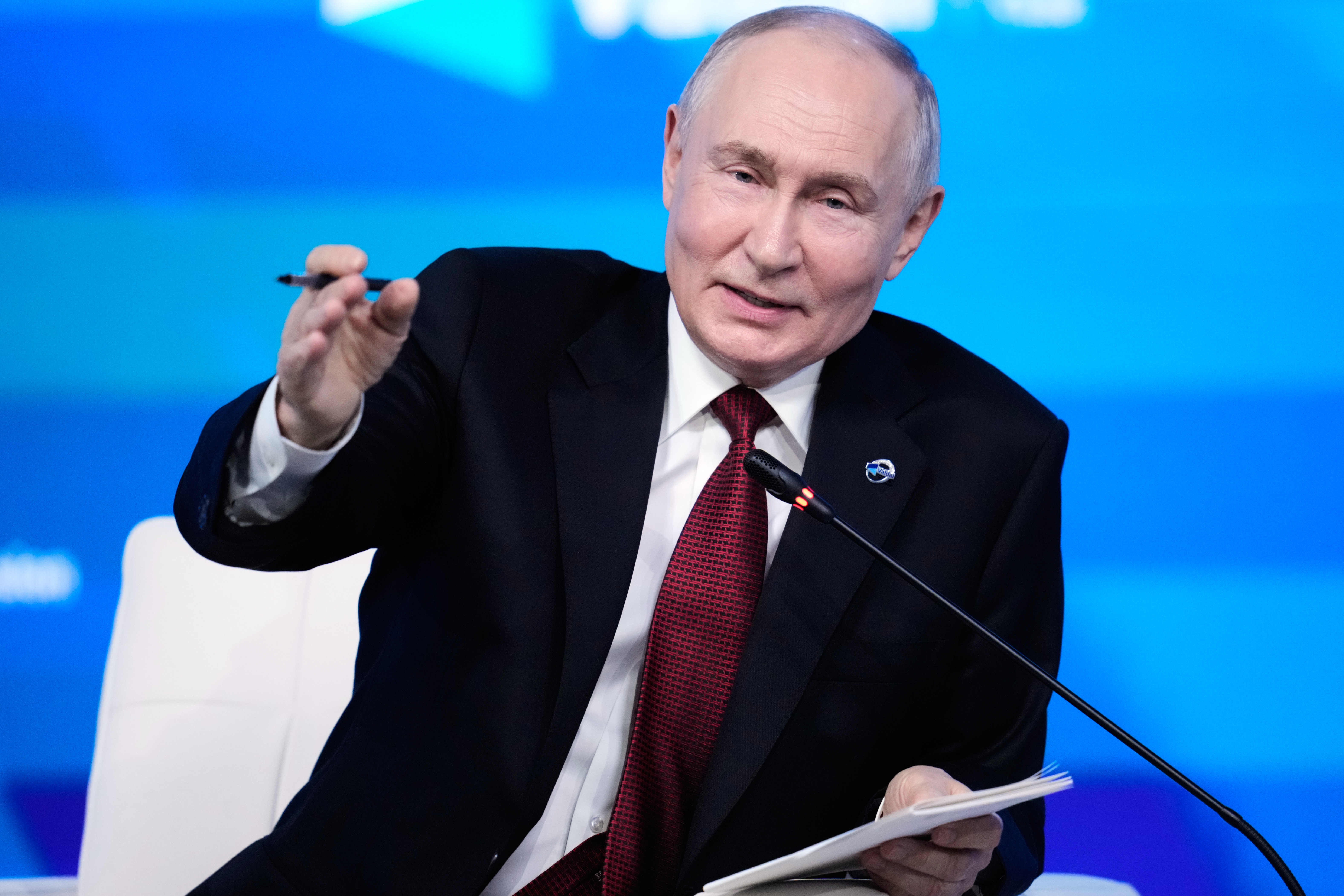
伊朗最高領袖為何急於向普京傳話?
11月5日,普京在莫斯科接見雷扎伊,俄羅斯總統外交政策顧問及軍事情報部門負責人亦有出席。
雷扎伊此行的重要任務之一,是向普京轉交伊朗最高領袖穆傑塔巴·哈梅內伊的訊息,並帶回普京的回覆。
會面結束後,雷扎伊表示,雙方討論了戰後問題及地區安全安排,伊朗最高領袖特別強調,必須盡快將訊息送交普京。
雷扎伊還向普京介紹了此前在德黑蘭舉行、涉及土耳其、巴基斯坦及沙特阿拉伯的所謂「麥加聯盟」會議的情況。
據伊朗方面轉述,普京強烈譴責美國及以色列對伊朗及其核設施的軍事行動,並表示願意為結束戰爭提供協助。他亦強調建立地區安全機制的重要性,反對外部勢力干預中東問題的解決。
值得注意的是,克里姆林宮發布的聲明相當簡短,只確認普京在莫斯科接見雷扎伊,並未披露雙方具體討論的內容。
伊朗方面積極對外介紹會談成果,俄羅斯方面卻保持低調。這種不同的表態方式,也反映出兩國在當前局勢下各自的外交考量。
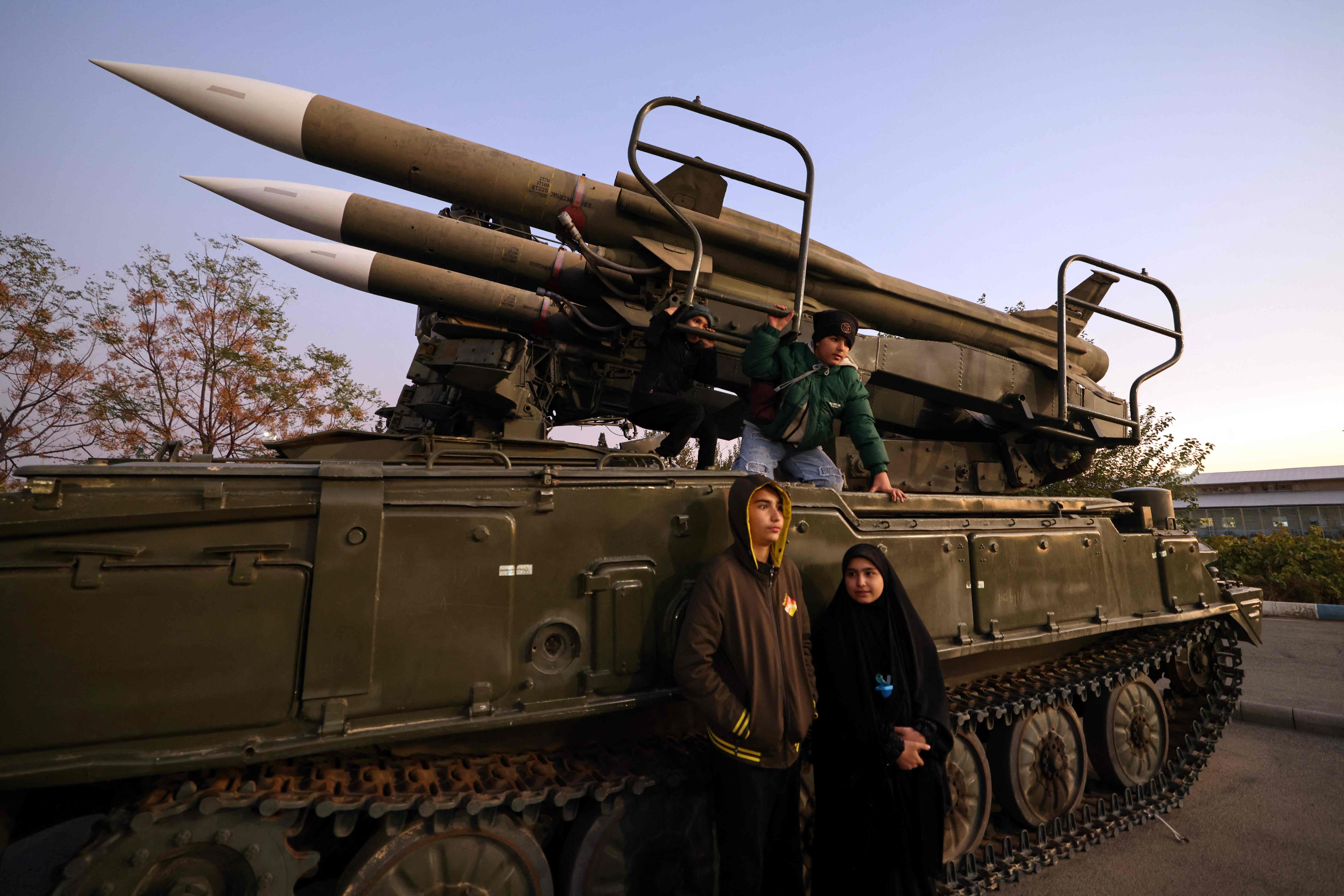
德黑蘭的迫切需求:修復防空體系,為戰事重啟作準備
雷扎伊到訪莫斯科,正值伊朗面對極為敏感的戰略時刻。
今年2月28日,美國與以色列對伊朗發動軍事行動,雙方於4月達成停火,並在6月中旬簽署諒解備忘錄,但由於談判陷入僵局,7月再度爆發軍事衝突。
目前,德黑蘭仍拒絕在伊朗提出的七項條件獲得滿足之前,接受美國有關重新開放霍爾木茲海峽及恢復核談判的要求。
與此同時,美國總統特朗普仍未排除再次採取軍事行動的可能性。
在這種背景下,伊朗迫切需要修復此前在戰事中受損的防空體系,提升應對新一輪軍事衝突的能力。
雷扎伊的莫斯科之行,正是德黑蘭試圖將自身弱點轉化為戰略籌碼的一部分。
一方面,伊朗希望透過加強與俄羅斯的軍事合作,提高自身防禦能力;另一方面,亦希望向華盛頓傳遞一個訊號:伊朗並未陷入國際孤立,仍然擁有重要的大國合作夥伴。
近日多家西方媒體披露的俄伊軍售文件,亦為理解雷扎伊此行的目的提供了線索。
數億歐元軍售背後 俄羅斯能為伊朗提供甚麼?
據英國《金融時報》、《衛報》及《每日電訊報》等媒體報道,俄羅斯與伊朗之間的軍事合作涉及多項既有合約及新的裝備需求。
綜合相關報道,俄伊軍事合作主要集中在以下幾個方面:
·防空系統:伊朗希望俄羅斯加快交付包括S-400在內的防空裝備,以彌補此前戰事造成的損失。
·戰鬥機:伊朗一直尋求引進俄製蘇-35戰鬥機,相關採購及飛行員培訓工作據報已有進展。
·武裝直升機及配套裝備:外洩文件顯示,俄伊之間存在涉及直升機武器系統的軍售合約。
·便攜式防空裝備:據《金融時報》報道,雙方曾達成一項價值約5億歐元的防空裝備採購協議,相關交付原定於2027年至2029年分階段進行。
其中,價值5億歐元的軍售協議尤其值得關注。
據報,伊朗在2025年6月與以色列爆發為期12天的戰事後不久,便向俄羅斯提出相關採購要求,雙方其後於同年12月在莫斯科簽署協議。
這意味着伊朗尋求俄羅斯協助重建防空能力,並非近期才作出的決定,而是此前戰爭暴露自身防禦弱點後,已經展開的長期軍事部署。
《金融時報》引述一名前美國高級官員分析,俄羅斯可能希望透過軍售修補與伊朗的關係,因為莫斯科在2025年伊朗與以色列的軍事衝突期間,未能向德黑蘭提供足夠援助。
對俄羅斯而言,即使無法在戰爭期間直接介入,也可以在戰後透過軍事合作,維持伊朗對莫斯科的信任。
不過,軍售協議、裝備交付與實際形成防禦能力,是三個不同的階段。目前外界仍難以確定相關裝備的實際交付進度。
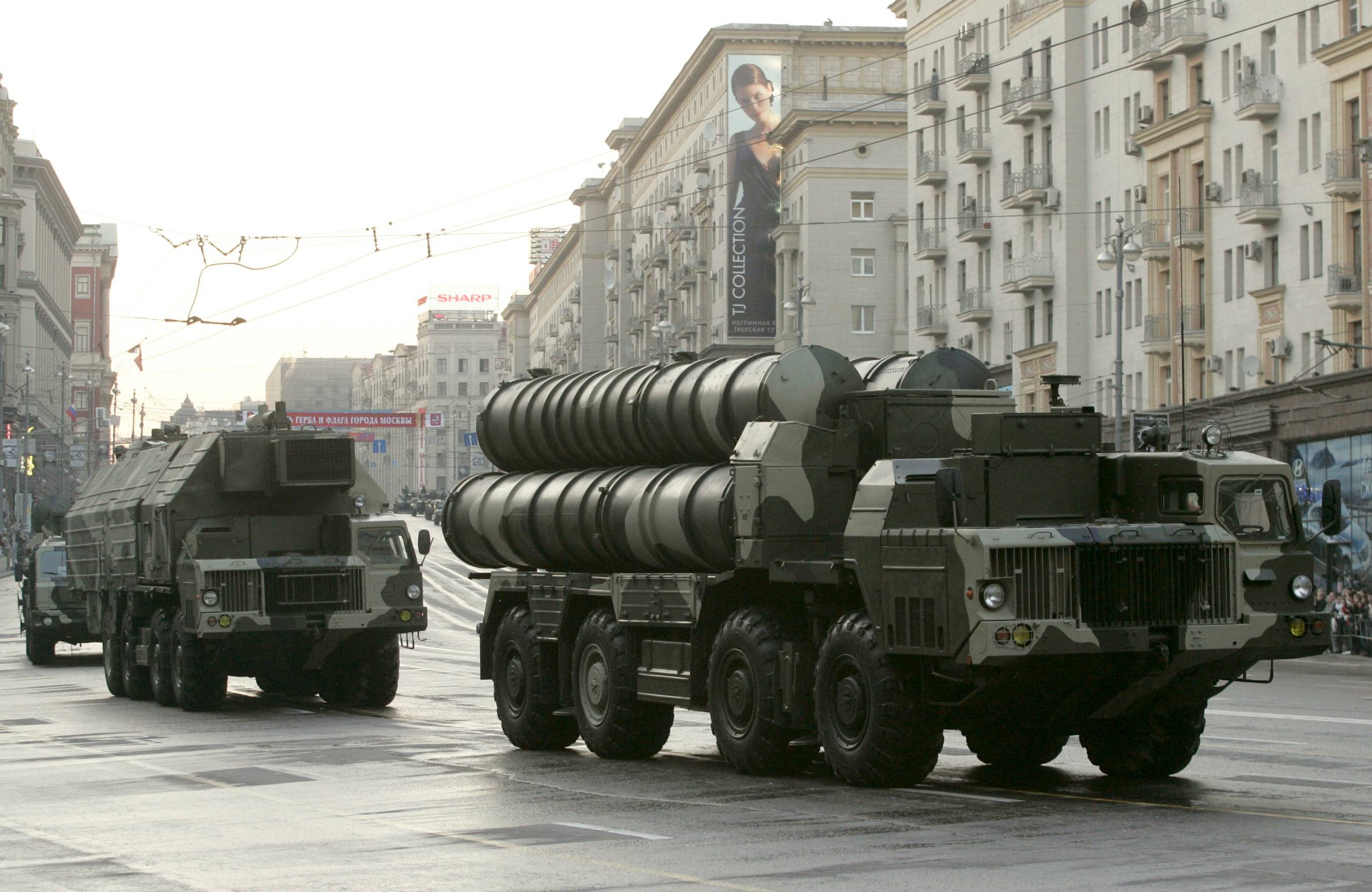
剛見完伊朗高官 俄羅斯情報代表團為何又去了以色列?
比俄伊軍售更值得玩味的,是莫斯科近期另一項外交動作。
據以色列《耶路撒冷郵報》報道,在雷扎伊與普京會面後不久,一個由俄羅斯軍事情報總局局長科斯秋科夫(Igor Kostyukov)率領的高級代表團,罕見地乘坐俄羅斯軍用運輸機抵達以色列特拉維夫本古里安機場,並與以色列高級軍事官員會面。
這次訪問的具體目的及會談內容,並未對外公開。
以色列廣播管理局指出,過去俄以兩國軍方的對話主要圍繞俄羅斯在敘利亞的軍事存在。在巴沙爾政權倒台之前,雙方曾建立協調機制,避免在以色列邊境附近發生軍事摩擦。
然而,自俄烏戰爭爆發以來,俄羅斯已大幅削減在敘利亞的軍事力量,近期亦開始重新部署部分駐敘部隊及裝備。
在這種背景下,俄羅斯軍事情報部門高層突然到訪以色列,是否另有目的?
一種可能性是,莫斯科正在嘗試說服以色列領導層接受透過外交途徑解決伊朗核問題,甚至可能提出由俄羅斯接收及保管伊朗濃縮鈾的方案,作為安全保證的一部分。
普京十分清楚以色列對特朗普政府的影響力。如果能夠說服以色列接受停火、重返外交談判,華盛頓接受相關安排的可能性亦會增加。
此外,據原稿引述的美方消息,美國代表團近期曾到訪莫斯科,並提出由俄羅斯協助斡旋美伊衝突的要求。
如果相關消息屬實,那麼俄羅斯近期在德黑蘭、特拉維夫與華盛頓之間的外交活動,或許並非彼此孤立,而是一系列相互關聯的斡旋行動。
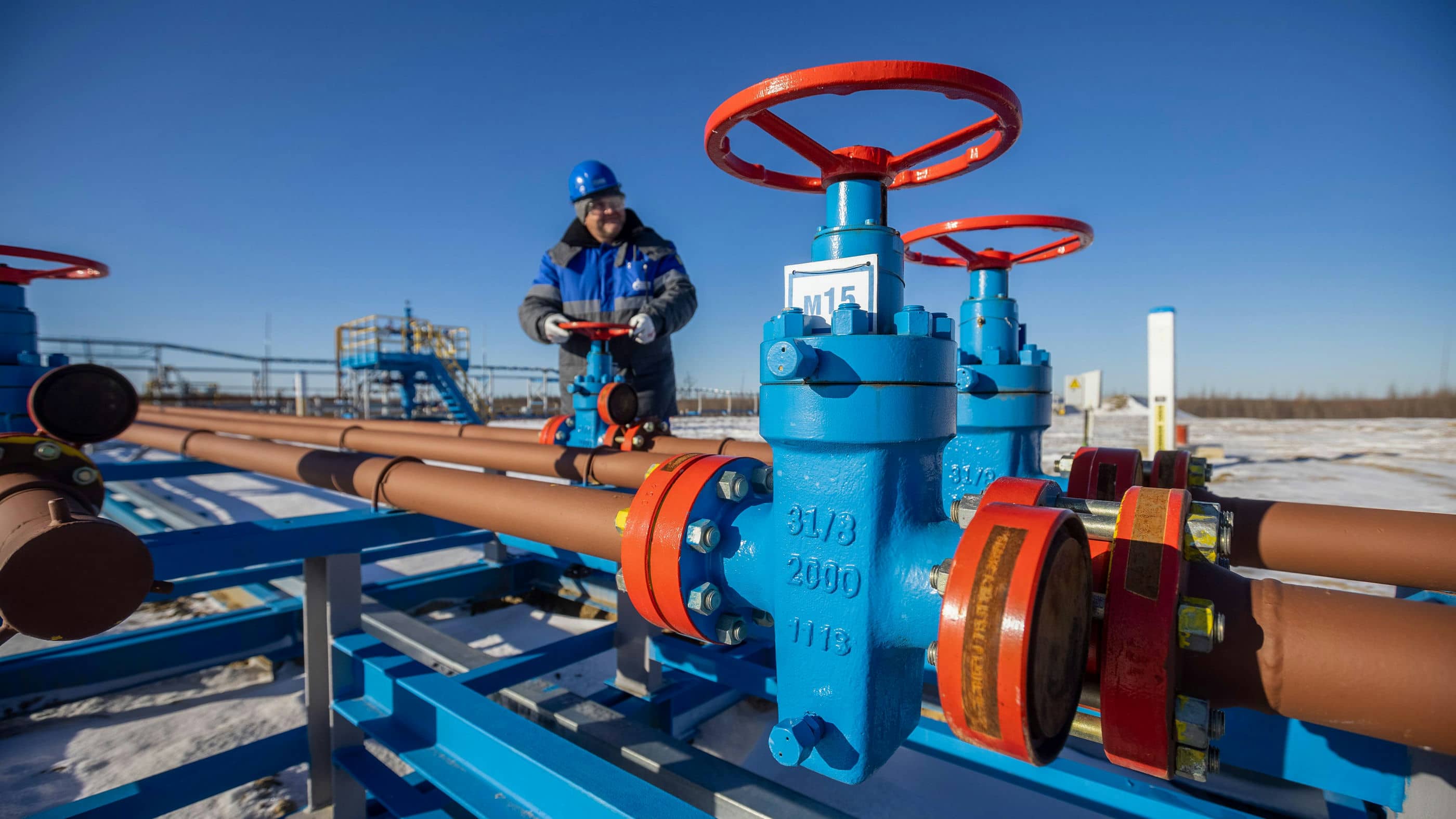
不只是軍售 伊朗還想成為俄羅斯天然氣出口的新通道?
除了軍事及安全議題,雷扎伊此行還涉及一項容易被外界忽略的經濟合作——天然氣。
雷扎伊透露,他與普京討論了俄羅斯與伊朗之間的天然氣管道建設問題。
按照伊朗方面的構想,這些管道不僅可以填補伊朗國內市場的天然氣供應缺口,還可以讓俄羅斯天然氣經由伊朗輸往周邊國家。
這項合作對雙方均具有潛在的戰略價值。
對伊朗而言,引入俄羅斯天然氣有助於緩解國內能源供應壓力,並提升自身作為區域能源樞紐的地位。
對俄羅斯而言,在西方制裁及俄歐能源關係發生重大變化的背景下,透過伊朗開拓新的能源出口渠道,也意味着更多市場選擇。
自2022年俄烏戰爭爆發以來,俄羅斯與伊朗的軍事、政治及經濟合作不斷加深。伊朗曾向俄羅斯提供無人機及導彈,兩國亦於2025年1月簽署全面戰略夥伴關係條約。
作為兩個受到廣泛國際制裁的國家,俄羅斯與伊朗都有意透過深化雙邊合作,減輕西方施加的經濟及外交壓力。
但戰略夥伴關係,是否意味着俄羅斯願意在伊朗遭受攻擊時直接出兵?
答案恐怕沒有德黑蘭所期待的那麼簡單。
俄伊是戰略夥伴 普京卻未必願意為伊朗而戰
儘管俄羅斯與伊朗已簽署全面戰略夥伴關係條約,但這份條約並不包含共同防禦條款。
換句話說,當伊朗遭受其他國家軍事攻擊時,俄羅斯並沒有必須直接出兵保護伊朗的條約義務。
這是理解俄伊關係時不可忽略的一點。
目前,俄羅斯自身仍然面對俄烏戰爭帶來的軍事及工業生產壓力,同時也希望避免與特朗普政府發生直接軍事衝突。
莫斯科是否有能力、有意願滿足伊朗提出的所有軍事裝備需求,仍然存在疑問。
更重要的是,俄羅斯究竟希望成為一個真正承擔伊朗安全責任的戰略盟友,還是只希望利用美國與伊朗之間的對抗消耗華盛頓的資源,而自己毋須承擔直接軍事介入的風險?
從俄羅斯的國家利益出發,後者或許更符合普京的戰略考量。
普京不希望伊朗崩潰,因為這將意味着俄羅斯失去一個重要的中東合作夥伴。
但他同樣不希望美國在與伊朗的對抗中取得決定性勝利,因為這可能讓華盛頓重新集中力量,在烏克蘭問題上向莫斯科施加更大壓力。
因此,俄羅斯既有理由支持伊朗,也有理由避免過度介入。
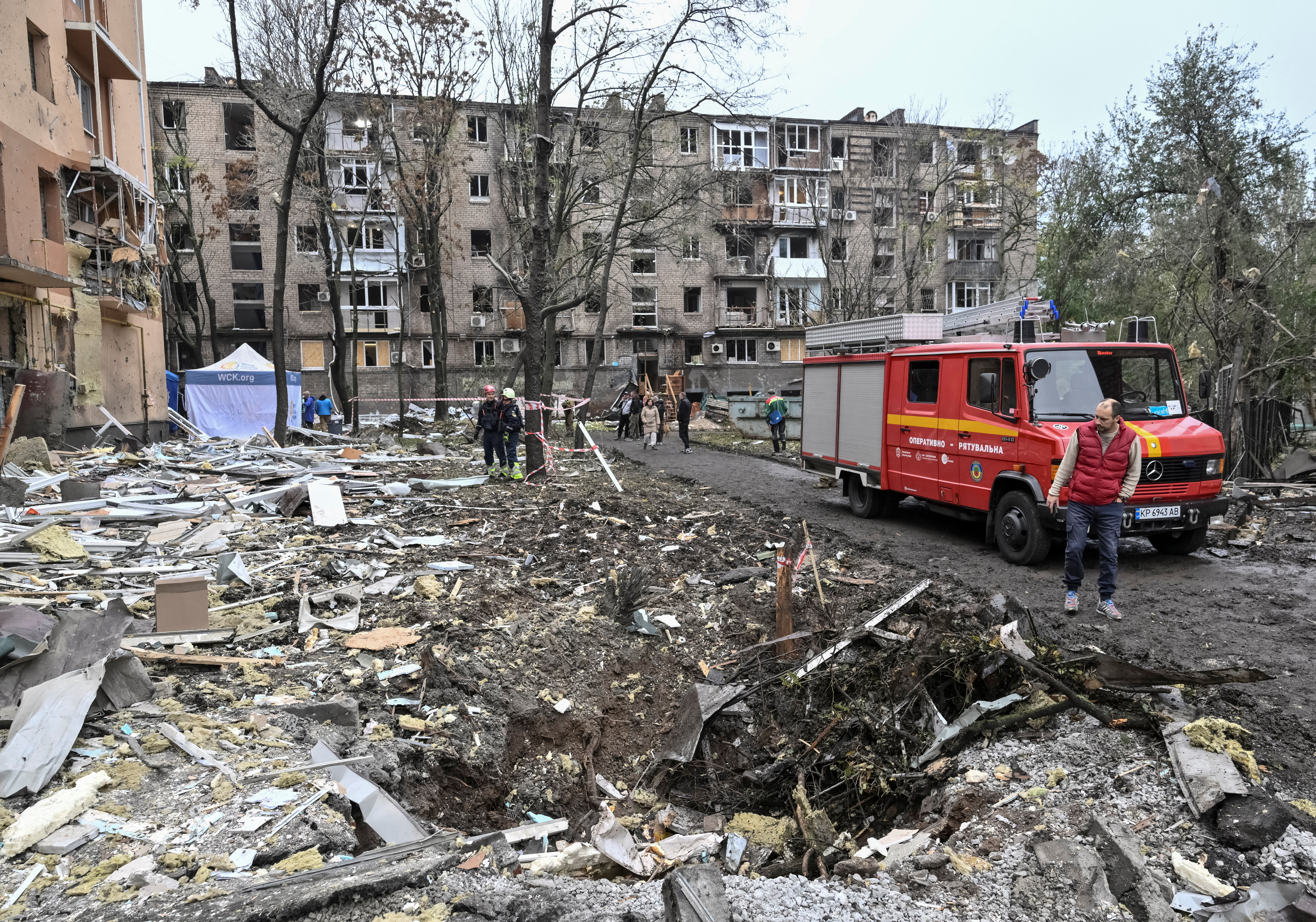
普京真正想要的,可能是特朗普在烏克蘭問題上讓步
在我看來,普京近期一系列外交動作背後,存在一個更大的戰略目標:讓俄羅斯成為解決波斯灣危機不可或缺的參與者。
特朗普未能迫使伊朗接受美國的條件,也未能在俄烏問題上迫使俄羅斯接受華盛頓主導的解決方案。美國共和黨在中期選舉中遭遇挫敗,更令特朗普面對新的國內政治壓力。
這些變化,為普京創造了新的外交空間。
只要華盛頓無法單方面解決伊朗問題,俄羅斯作為一個能夠影響德黑蘭決策的大國,其外交價值便會上升。
危機愈複雜,美國就愈可能需要莫斯科的協助。
而這正是俄羅斯可以利用的談判籌碼。
普京希望俄羅斯協助解決美伊危機的能力,成為一張具有足夠價值的談判牌;但他真正希望獲得回報的地方,可能不是伊朗,而是烏克蘭。
如果特朗普希望俄羅斯協助說服伊朗接受停火、恢復核談判,甚至在霍爾木茲海峽問題上作出妥協,那麼莫斯科也可能希望華盛頓在俄烏問題上展現更大的彈性。
這意味着,表面上發生在中東的外交斡旋,背後可能涉及另一場跨越地區的戰略博弈。
伊朗危機與烏克蘭戰爭看似是兩個不同的國際議題,卻可能因為俄美之間的利益交換而被聯繫起來。
普京既不希望戰爭全面爆發,也不希望危機太快結束
俄羅斯目前最希望看到的,或許不是伊朗取得全面勝利,也不是美國與伊朗迅速達成和解。
一場全面爆發的中東戰爭,可能超出莫斯科的控制範圍,甚至迫使俄羅斯在支持伊朗與避免同美國直接對抗之間作出艱難選擇。
但如果華盛頓與德黑蘭繞過莫斯科,迅速達成和平協議,俄羅斯也將失去一張重要的外交籌碼。
相比之下,一場持續但仍然處於可控範圍內的危機,反而可能為普京帶來三樣東西:時間、影響力,以及與美國討價還價的機會。
這就是俄羅斯在伊朗問題上的戰略悖論。
普京未必需要伊朗贏得這場對抗,但他需要特朗普無法在缺乏更廣泛政治協議的情況下,獨自結束這場對抗。
如果美伊危機最終透過莫斯科的斡旋得到解決,俄羅斯便有機會藉此取得自俄烏戰爭爆發以來難得的外交收益。
因此,雷扎伊的莫斯科之行,表面上是伊朗尋求軍事援助、安全保障及外交支持的一次重要訪問,背後卻可能是普京重新布局俄美關係的一個契機。
伊朗想借俄羅斯的力量抵抗美國,普京則可能想借伊朗危機的力量,迫使美國在烏克蘭問題上作出讓步。
對特朗普與伊朗而言是困局的事情,在普京眼中,或許恰恰是一個戰略機遇。
以下為英文原文:
What are the objectives of Mohsen Rezaei's visit to Moscow?
By Dr. Haytham Mouzahem*
The undeclared visit of Mohsen Rezaei, Secretary of Iran's Supreme National Security Council, to Moscow last week raised questions about the timing of the visit, its objectives, and the trajectory of Russian-Iranian relations amid the U.S.-Israeli war on Iran and the possibility of its resumption.
Russian President Vladimir Putin received Rezaei in Moscow on November 5, holding talks that addressed strengthening relations between the two countries. The foreign policy adviser and the head of Russian military intelligence attended the talks.
Rezaei carried a message to the Russian President from Iranian Supreme Leader Mojtaba Khamenei, delivering it amid anticipation of a possible return to military escalation that began with a war launched by the United States and Israel against Iran on February 28.
After meeting Putin, Rezaei said he discussed with the Russian President "post-war issues and security arrangements in the region," adding that the Iranian Supreme Leader stressed the need to deliver his message to Putin as soon as possible.
Rezaei explained that he reviewed with Putin details of the meeting with parties of the "Mecca Alliance"—Turkey, Pakistan, and Saudi Arabia—which was held in Tehran. He noted that Putin "strongly condemned the American and Israeli aggression against Iran and its nuclear facilities," and that the Russian President affirmed to him that he "will provide any assistance to end the war."
According to what the Iranian embassy relayed, Rezaei told journalists that he held "extremely important discussions about the prospects of relations" between Moscow and Tehran. He added that the Russian President emphasized "the necessity of regional security mechanisms," rejecting "any intervention by external powers" in settling the situation in the Middle East.
Rezaei explained that he discussed with Putin "the issue of extending gas lines between Russia and Iran, which would not only bridge the gas shortage in the Iranian market but also allow for organizing the transport of Russian gas to neighboring countries."
For its part, a statement issued by the Kremlin said that Putin received Rezaei in Moscow, without providing details about the content of the meeting or the topics discussed by the two sides.
Putin had affirmed to his Iranian counterpart Masoud Pezeshkian in early October that Russia was ready to contribute to mediation efforts aimed at ending the war waged by the United States and Israel against Iran.
Rezaei's visit to Moscow reveals Tehran's diligent effort to repair its air defenses damaged by the war through qualitative Russian arms deals. Iran seeks to strengthen its strategic and military alliance with Russia amid escalating regional tensions and a changing political landscape in the United States, in parallel with an unprecedented Iranian field and naval escalation in the Strait of Hormuz to pressure Washington.
Messages were exchanged between the two leaderships, as Rezaei conveyed a message from Supreme Leader Mojtaba Khamenei to Putin and returned with a reply from him, reflecting the utmost strategic importance Tehran attaches to its relationship with the Kremlin.
Rezaei's visit comes at a sensitive time when Tehran is trying to turn its weaknesses into strategic leverage. This visit coincides with Tehran's rejection of American demands to reopen the Strait of Hormuz and resume nuclear negotiations before fulfilling Iran's seven conditions, at a time when U.S. President Donald Trump keeps military options on the table after the Republicans' loss in the midterm elections.
Through Rezaei's visit to Moscow and leaked reports about new arms deals Iran is buying from Russia, Iran aims to prove it is not internationally isolated and to strengthen its defensive position ahead of the possibility of an all-out war breaking out.
However, American sources spoke of Russian mediation between Washington and Tehran, at an American request made by a U.S. delegation that recently visited Moscow.
The Israeli Jerusalem Post newspaper revealed that a Russian military transport plane carrying a high-level delegation headed by the head of Russian military intelligence, Admiral Igor Kostyukov, landed at Ben Gurion Airport in Tel Aviv last Sunday evening in an unusual visit. The delegation met with senior Israeli military officials, and the newspaper indicated that the purpose of the visit and the topics discussed remain unclear, but the unusual landing of a Russian military plane in Israel comes amid escalating regional tensions and continued uncertainty about the possibility of a renewed military confrontation between the United States, Israel, and Iran.
This mysterious Russian intelligence visit to Israel comes after the surprise meeting that brought Rezaei and Putin together in Moscow.
The Israeli Broadcasting Authority noted that "in the past, the dialogue between the Israeli and Russian militaries focused mainly on the presence of Russian forces in Syria. In the period before the collapse of the Assad regime, a mechanism was established to prevent friction near the Israeli border." It added, "In recent years, since Russia began its war against Ukraine, the Russian military has significantly reduced its forces in Syria. Recently, it began redeploying its forces and equipment from the Hmeimim Air Base near Latakia."
The Israeli authority continued, "Russia maintains strategic relations with Iran," pointing to Rezaei's visit to Moscow and his meeting with Putin, where they discussed the confrontation between the United States and Iran and Rezaei conveyed to Putin a message from the Supreme Leader. It concluded its report by saying, "Russia is scheduled to supply Iran with new Sukhoi Su-35 fighter jets, and reports indicate expectations of transferring Russian air defense systems to Tehran."
In an attempt to understand the mysterious visit of the Russian intelligence delegation to Israel, Moscow may be trying to persuade the Israeli leadership of the necessity of a diplomatic solution to the Iranian nuclear issue, offering guarantees that it will transfer Iran's enriched uranium to its territory. Putin knows the extent of Israel's influence over Trump; if Israel agrees to a ceasefire and a return to the diplomatic track, it will be very easy to convince Trump to do the same.
Russia and Iran are bound by close political relations, as their military and economic partnership has been greatly strengthened since the Russian attack on Ukraine in 2022, but at the same time they are among the countries most subjected to international sanctions.
These developments come amid fears of a return to military escalation between the American and Iranian sides, which began with the war launched by the United States and Israel against Iran on February 28. The war was followed by a ceasefire in April, before confrontations between the two sides renewed in July amid stalled negotiations, despite the two sides signing a memorandum of understanding in mid-June.
Russian-Iranian Arms Deals
Western newspapers revealed recently leaked documents discussing arms deals between Russia and Iran, distributed between previous contracts and urgent requests that Rezaei carried to the Kremlin, divided as follows:
1- The deal for 90 missile platforms (APU-L): Documents leaked from the Russian company "Vympel" on November 5, 2026, and published by the Financial Times and The Guardian, revealed a contract to supply 90 helicopter missile launch platforms to Iran under the secret code K-10. These platforms were designed to operate on Mi-28 attack helicopters that Tehran received, and launch "LMUR" (Product 305) precision-guided missiles with a speed of up to 230 meters per second to hunt moving targets from a distance of 14 kilometers.
2- The Telegraph newspaper and matching reports indicated that Supreme Leader Mojtaba Khamenei's message to Putin included an appeal to expedite the delivery of a list of weapons including long-range S-400 air defense systems (to compensate for Iranian defenses damaged during airstrikes), Pantsir-S1 batteries to intercept drones at low altitudes, in addition to Ghaher-4 jet drones.
Air defense and fighter jet deals: Ongoing military arrangements include an agreement worth 500 million euros to supply 500 Verba man-portable missile launch units and 2,500 missiles, alongside the Iranian army's announcement of completing procedures for purchasing Su-35 fighter jets and training its pilots pending the delivery schedule.
The Financial Times had reported in February, citing informed sources and leaked Russian documents it said it had reviewed, details of an Iranian-Russian agreement including an Iranian request for Russian air defense systems worth 500 million euros ($545 million) in July 2025, a few days after the end of the 12-day war.
The newspaper stated that the agreement, signed in Moscow in December 2025, obligates Russia to deliver to Tehran 500 Verba man-portable launch units and 2,500 9M336 missiles over three years.
Negotiations over the agreement took place between Rosoboronexport (the Kremlin's state arms export agency) and representatives of Iran's Ministry of Defense and Armed Forces Logistics in Moscow.
The newspaper noted that the Iranian Ministry of Defense official residing in Moscow, Rouhollah Katebi, coordinated this deal, and had previously helped mediate the sale of hundreds of short-range Fateh-360 ballistic missiles to Russia for use in Ukraine.
The United States had imposed sanctions on "Katebi" in 2024, accusing him of acting on behalf of the Iranian Ministry of Defense, and the U.S. Treasury Department described him as "the Russian government's point of contact" with the Ministry of Defense in Tehran.
The Verba System
The Verba system is considered one of the most modern Russian air defense systems; it is a shoulder-launched, infrared-guided missile capable of targeting cruise missiles, low-flying aircraft, and drones. This system allows ground forces to quickly establish dispersed defenses without relying on fixed radar installations that are more vulnerable to strikes.
Under the Verba contract, deliveries are scheduled to take place in 3 phases extending from 2027 to 2029.
A former senior American official said that "Russia may have seen this deal as a way to help rebuild relations with Iran after its clear failure to provide assistance to its ally during the war" that lasted 12 days with Israel in June 2025. He added, "They want Iran to remain their partner, so even if they could not respond in the midst of the crisis, they will seek after it ends to try to repair the relationship."
The British newspaper quoted a source familiar with the agreement as saying that "a small number of these systems may have been delivered to Iran at an early time." A single Russian Il-76TD cargo plane made at least three flights from Mineralnye Vody in the North Caucasus to the Iranian city of Karaj in February 2026. At least one other Russian plane arrived in Iran in late December 2025, while reports indicated that Iran received up to 6 Russian Mi-28 attack helicopters last January, according to the Financial Times.
Tehran had supplied Moscow with drones and missiles over the years 2023 and 2024 during the Russian-Ukrainian war, and the two countries signed a treaty to strengthen bilateral relations in January 2025, while Iran sought to obtain two squadrons of advanced Sukhoi Su-35 fighter jets from Russia.
What Does Putin Want?
Despite the signing of the comprehensive strategic partnership agreement between Iran and Russia, analysts indicate that the treaty lacks a "joint defense" clause, and that Moscow is hesitating in fulfilling all requests due to the depletion of its factories in the Ukraine war and its keenness to avoid a direct clash with the Trump administration. There are fundamental questions about the extent of Moscow's readiness to transform into a real security partner defending Iran, or whether it will suffice with benefiting from Washington's exhaustion in confronting Tehran without bearing the risks of direct military intervention.
Some observers believe that Putin wants Russia to become the party without whose understanding the crisis in the Persian Gulf cannot be ended. Trump could not subdue Iran and could not impose a settlement on Russia, and then the Republicans lost the midterm elections. Putin does not necessarily want to wage a direct war with America in defense of Iran, but he also does not want Washington to emerge from the Iranian confrontation with a victory that strengthens its power in Ukraine.
Russia does not want Iran's collapse, but it may not be in a hurry to end its crisis with America either. Because every day Washington fails to subdue Tehran, Moscow's value rises as a party capable of influencing Iranian calculations, and the more the crisis becomes complicated, the more important Russian intervention in resolving it becomes.
Here is the paradox: Russia wants its cooperation in resolving the American-Iranian war crisis to become a precious negotiating card, but Putin is not looking for the price in Iran but in Ukraine, and thus Russian mediation is an attempt to turn the Iranian crisis into a pressure card on Trump in the Ukrainian file.
Putin does not want a comprehensive regional war nor a rapid American-Iranian settlement that excludes Moscow, for a comprehensive war could slip out of his control and a rapid settlement could deprive him of an important pressure card. As for the continuation of the crisis under control, it grants him time, influence, and an opportunity to bargain.
Perhaps, Putin does not need Iran to win, but he needs Trump to be unable to settle the confrontation with it without broader understandings. Therefore, if the Iran file is resolved with America through Moscow's mediation, Putin will emerge with major gains he had not dreamed of since his attack on Ukraine. For Trump's misfortunes and Iran's are, in Putin's view, benefits.
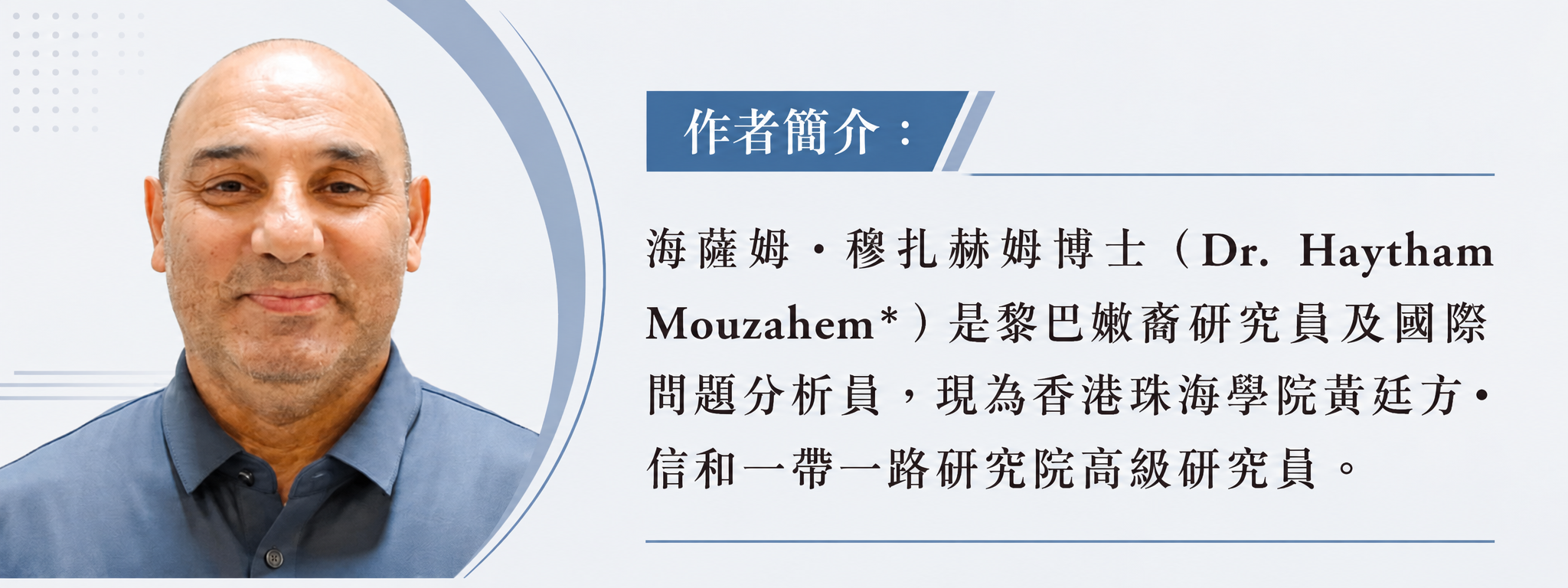
* Dr. Haytham Mouzahem is a Research Fellow at the Belt and Road Research Institute of the Hong Kong Chu Hai College.
 0
已點過讚





評論( 0 )
0 / 255