







天下觀察| 67票支持卻難組閣?艾森科特接下以色列組閣重任 內塔尼亞胡仍有翻盤機會

- 普通話
- 廣東話

- 超大
- 大
- 標準
- 小
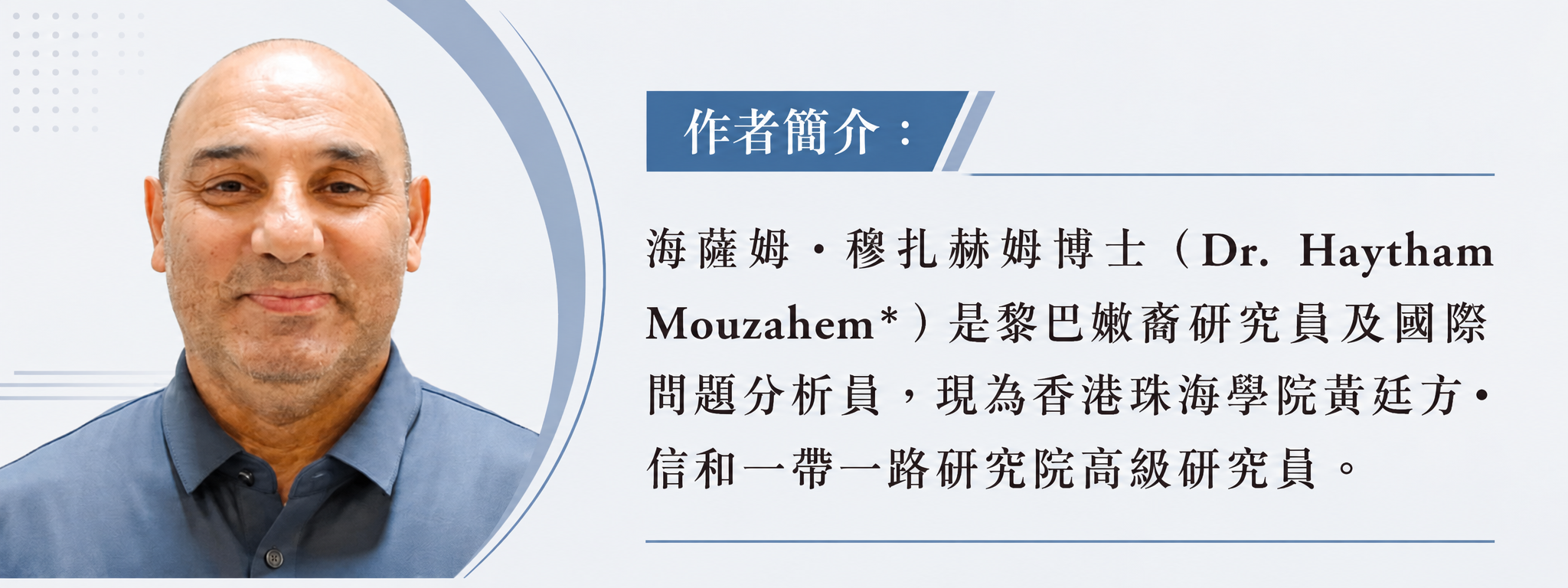
文/海薩姆·穆扎赫姆博士(Dr. Haytham Mouzahem)
中文編譯及改寫/香港文匯報記者 胡恬恬
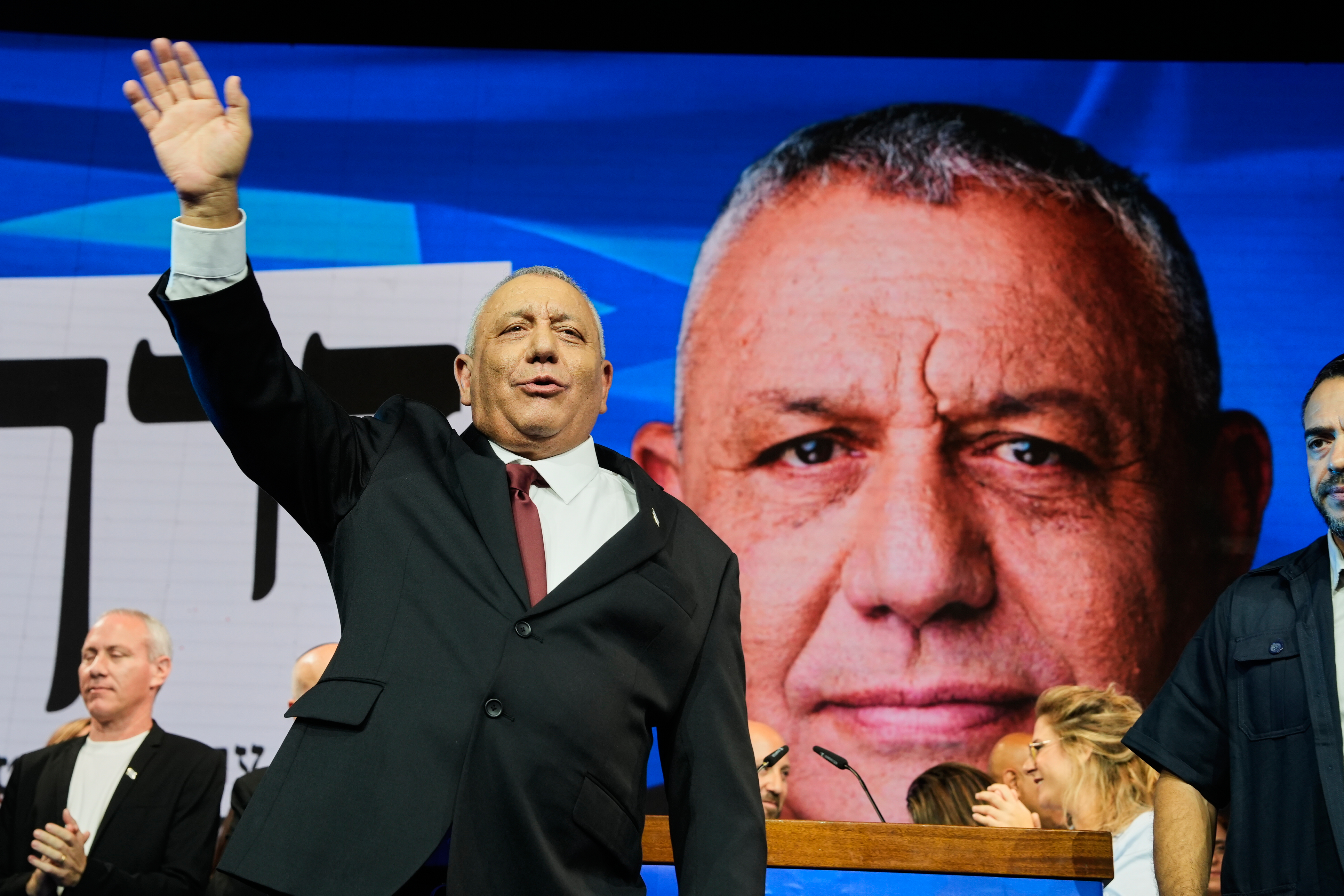
67票對46票,看起來是一場勝負分明的政治較量。
然而,在以色列政壇,獲得最多國會議員支持,並不代表一定能夠成為總理。
11月7日晚,以色列總統赫爾佐格(Isaac Herzog)宣布,將委託前以軍總參謀長、反對派領袖艾森科特(Gadi Eisenkot)籌組新政府。在120名國會議員中,有67人推薦艾森科特出任總理,只有46人推薦現任總理內塔尼亞胡,另外7人沒有推薦任何人選。
表面上,艾森科特已經跨過61席的過半門檻,似乎距離總理寶座只有一步之遙。
但這67名議員,來自政治立場截然不同的政黨。他們可以聯手反對內塔尼亞胡,卻未必願意一起執政。
有人堅決反對與阿拉伯政黨合作,有人要求極端正統派猶太教徒服兵役,也有人堅持維護宗教學校學生的兵役豁免。
艾森科特真正的難題,不是如何取得67張推薦票,而是如何把這67張票變成一個能夠運作的政府。
而在這場組閣博弈背後,內塔尼亞胡仍然坐在總理辦公室,等待對手犯錯。
反對派終於取得組閣權,卻未必能趕走內塔尼亞胡
10月27日舉行的以色列國會選舉,未能讓任何一個主要政治陣營取得單獨執政所需的61席。
最終結果顯示,內塔尼亞胡領導的利庫德集團取得27席,仍是國會最大黨;艾森科特領導的政黨則取得21席。
不過,選舉後的政治協商,讓艾森科特取得了優勢。
67名議員向總統推薦他組閣,意味著反對內塔尼亞胡繼續執政的力量,至少在推薦總理人選這件事上,達成了共識。
艾森科特隨即在社交平台X表示,現在是成立「國家緊急政府」的時候,他將竭盡所能承擔這項責任。
如果成功,他不僅有望結束內塔尼亞胡長期執政的局面,也可能開啟以色列政壇的新階段。
內塔尼亞胡自1996年首次出任總理以來,曾多次離任又重新掌權。他目前仍面臨以色列國內的貪腐案件審訊,以及國際刑事法院就加沙戰爭相關涉嫌戰爭罪和危害人類罪發出的逮捕令。
但這位政治老將的最大優勢,在於只要新政府一天未能成立,他便可以繼續以看守總理身份掌權。
因此,艾森科特雖然取得組閣主動權,卻仍然面對一場與時間賽跑的政治談判。
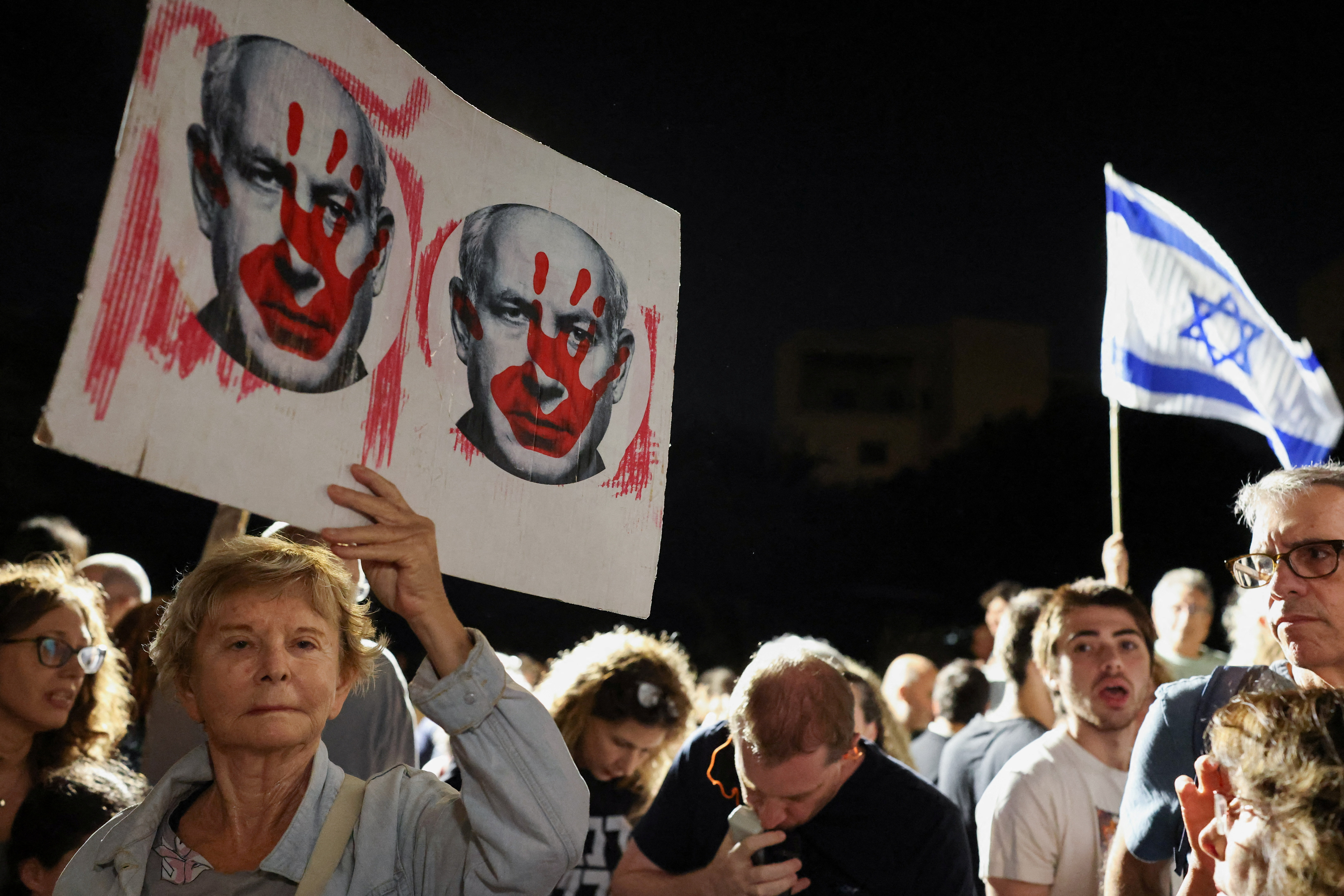
67席的秘密:其中19席來自阿拉伯政黨
艾森科特面臨的第一個問題,是這67張推薦票究竟從何而來。
在支持他的議員中,有19人來自兩個阿拉伯政黨。
換句話說,如果不計算阿拉伯政黨,反內塔尼亞胡的猶太政黨陣營實際上只有48席,距離61席仍有相當距離。
阿拉伯政黨因此成為決定新政府能否成立的關鍵力量。
以色列《國土報》引述阿拉伯聯合名單人士表示,即使沒有正式加入執政聯盟,該黨也願意支持艾森科特政府。
這意味着阿拉伯政黨未必需要取得部長職位,也可能透過國會投票支持,協助艾森科特政府取得信任或維持運作。
然而,問題出在艾森科特自己的盟友身上。
「以色列是我們的家園」黨領袖利伯曼(Avigdor Lieberman)一直反對任何依賴阿拉伯政黨支持的政府。
他的反對甚至不只限於讓阿拉伯政黨正式入閣。
即使阿拉伯政黨只是選擇在信任投票中棄權,間接協助艾森科特政府成立,利伯曼也表示無法接受。
這令艾森科特陷入兩難。
如果依靠阿拉伯政黨,他可能失去利伯曼等右翼盟友;如果不依靠阿拉伯政黨,反對派又沒有足夠議席組成多數政府。
19個阿拉伯政黨議席,可以讓艾森科特取得組閣權,卻也可能成為他無法組閣的原因。
不靠阿拉伯政黨?還有另一道難題:猶太教徒到底要不要服兵役?
既然阿拉伯政黨的支持如此敏感,艾森科特還有另一個選擇:爭取極端正統派猶太教政黨加入政府。
但這條路同樣困難重重。
以色列的極端正統派猶太教徒,通常被稱為「哈雷迪」(Haredi)。他們長期在宗教生活、教育和兵役制度上享有特殊安排。
其中最具爭議的,就是宗教學校學生的兵役問題。
以色列大部分猶太公民需要服兵役,但長期以來,不少哈雷迪宗教學校學生可以獲得豁免或延緩服役。
隨着戰爭持續,要求宗教學生同樣承擔兵役義務的聲音愈來愈強烈。
艾森科特的潛在盟友貝內特(Naftali Bennett)主張建立一個由「承擔兵役義務者」組成的政治聯盟,要求哈雷迪群體履行兵役責任,實現更公平的國民義務分擔。
但極端正統派宗教政黨則堅持,必須保障宗教學校學生的特殊地位,反對設定強制徵兵目標及對拒服兵役者實施制裁。
這個問題甚至影響了內塔尼亞胡的組閣支持。
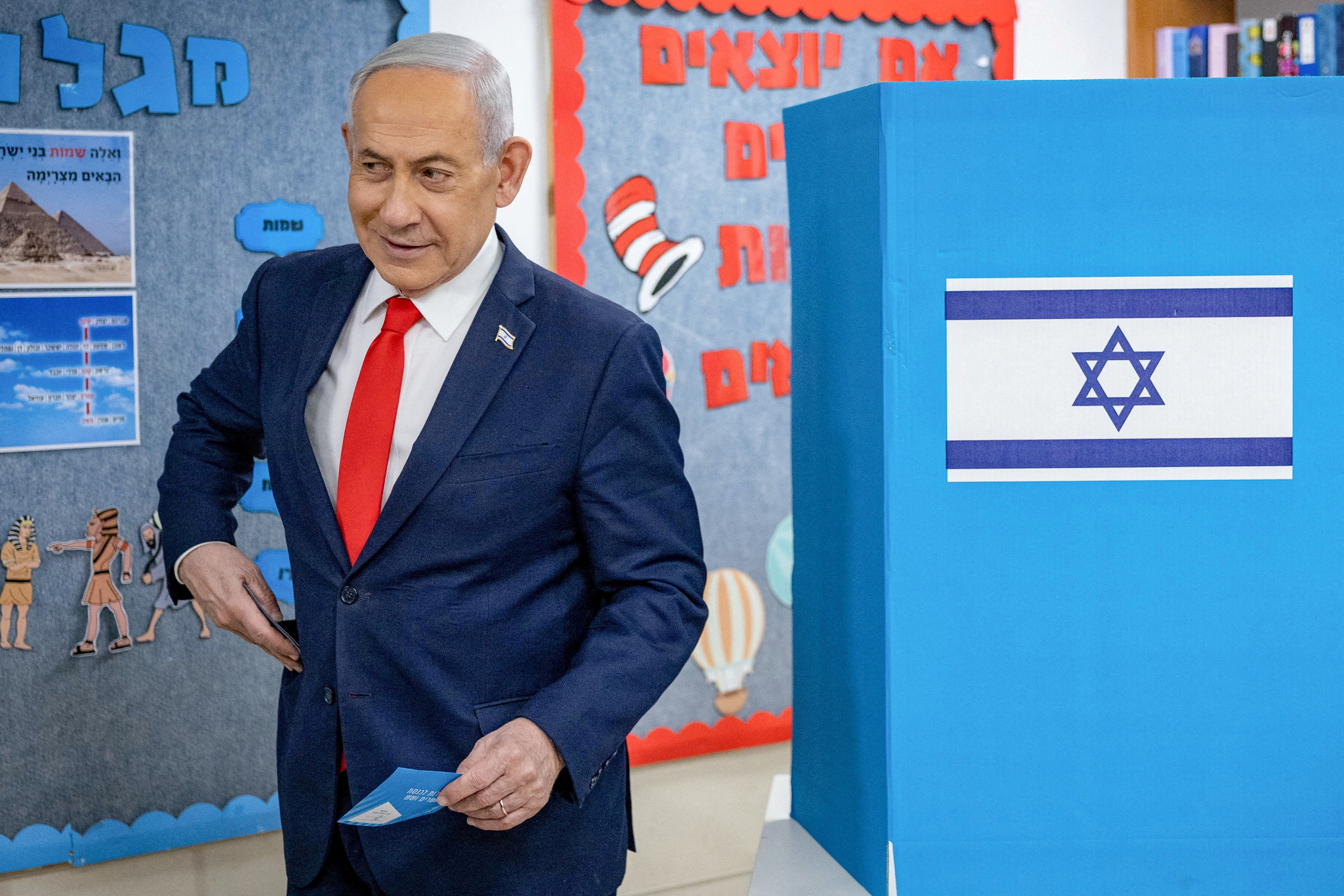
原稿指出,正因為兵役法爭議,「聯合妥拉猶太教」黨沒有推薦內塔尼亞胡組閣。
這本來可能為艾森科特創造機會。
但即使他成功爭取該黨7席支持,加上原有48席,也只有55席。
如果再取得擁有6席的沙斯黨支持,才剛好達到61席。
然而,沙斯黨領袖德里(Aryeh Deri)此前已推薦內塔尼亞胡,宗教政黨內部人士也認為,沙斯黨轉而加入艾森科特政府的可能性不高。
換句話說,艾森科特如果希望不依靠阿拉伯政黨,而是聯合宗教政黨組成政府,就必須同時說服世俗派和宗教派在兵役問題上作出讓步。
而這兩個陣營的立場,恰恰幾乎完全相反。

利伯曼態度軟化,組閣還有轉機嗎?
儘管困難重重,艾森科特並非完全沒有機會。
其中一個值得關注的變化,是利伯曼的態度。
利伯曼已表明支持艾森科特嘗試組閣,而且不會以輪流擔任總理作為支持條件。
更重要的是,他對與極端正統派宗教政黨合作的立場有所鬆動。
利伯曼表示,可以研究以2018年提出的兵役法方案為基礎,尋求妥協。
原稿引述宗教政黨消息人士指出,利伯曼的代表與哈雷迪政黨之間已經展開接觸。
有宗教界人士甚至認為,哈雷迪政黨與利伯曼過去有合作經驗,對他的信任程度可能比對艾森科特更高。
「聯合妥拉猶太教」黨內也有人釋出訊號,只要有政黨願意妥善處理宗教學校學生的法律地位,就可以展開談判。
這意味着,原本看似完全對立的雙方,仍然存在政治交易的空間。
但問題是,妥協需要付出代價。
如果艾森科特為了爭取宗教政黨支持,放寬對哈雷迪學生服兵役的要求,貝內特及其他主張公平徵兵的盟友能否接受?
如果堅持大規模徵召宗教學生,宗教政黨又是否願意加入?
這場組閣談判最難的地方,不是找不到願意談判的人,而是每一項妥協都可能得罪另一個盟友。
艾森科特提出四大組閣原則,卻可能同時得罪兩邊
為了建立新政府,艾森科特提出四項基本原則:
- 承認以色列是一個猶太及民主國家。
- 接受以色列《獨立宣言》的價值。
- 承諾履行軍事、國民或公民服務義務。
- 承認哈馬斯是恐怖組織,並致力消除其軍事及統治能力。
表面上,這四項原則是在為未來政府建立共同政治基礎。
但仔細分析便會發現,它們同時觸及艾森科特兩類潛在盟友最敏感的政治立場。
對阿拉伯政黨而言,承認以色列的猶太國家性質,以及對哈馬斯採取強硬立場,都是敏感議題。
對極端正統派宗教政黨而言,要求所有人承擔軍事或國民服務義務,則可能直接影響宗教學校學生的特殊地位。
尤其是「猶太國家」的定位,在以色列阿拉伯裔公民中長期存在爭議。
阿拉伯裔人口約佔以色列人口的兩成。部分阿拉伯政治力量擔心,過度強調國家的猶太民族屬性,可能削弱非猶太公民在國家認同與公民權利上的平等地位。
因此,在作者看來,艾森科特提出的政治原則,雖然有助於爭取猶太主流政黨支持,卻可能使阿拉伯政黨更加難以正式加入政府。
與此同時,兵役原則又讓宗教政黨難以接受。
這意味着艾森科特試圖建立的廣泛政治聯盟,從一開始就存在深刻的內部矛盾。

特朗普會不會轉而支持艾森科特?
這次以色列組閣危機,還牽涉到另一個重要人物:美國總統特朗普。
原稿引述以色列第12頻道報道,指特朗普身邊人士曾向艾森科特的幕僚傳達訊息,希望他盡快完成組閣,取代內塔尼亞胡。
如果這一消息屬實,將意味着美國對以色列政局的態度可能出現重要變化。
因為在此前的以色列選舉中,特朗普一直公開支持內塔尼亞胡。
作者分析認為,特朗普可能因伊朗戰爭及其對美國國內政治造成的影響,重新考慮對內塔尼亞胡的支持。
不過,這一判斷主要建基於原稿引述的匿名消息及作者的政治分析,不能直接視為白宮已正式改變政策。
即使美國方面真的希望以色列出現新政府,也無法替艾森科特解決國會內部的數字難題。
最終決定政府能否成立的,仍然是以色列各政黨之間的談判。
極右翼要求重新選舉,前總理卻呼籲盡快換政府
艾森科特獲得組閣權,也引發以色列政壇截然不同的反應。
極右翼政治人物、國家安全部長本-格維爾(Itamar Ben-Gvir)批評推薦艾森科特的陣營「偷走選舉」,並要求重新舉行大選。
他認為,由不同政治力量拼湊而成的政府,最終只會陷入癱瘓。
但前總理巴拉克(Ehud Barak)則持相反立場。
巴拉克呼籲艾森科特盡快完成組閣,認為結束內塔尼亞胡執政應是當前最重要的政治目標。
他甚至支持阿拉伯政黨參與新政府,並提出另一種可能性:如果利庫德集團願意在沒有內塔尼亞胡領導的情況下加入,也可以考慮成立更廣泛的聯合政府。
這個建議反映出反內塔尼亞胡陣營的核心政治目標。
對部分政治人物而言,當前最重要的事情不是建立一個意識形態完全一致的政府,而是首先完成政權更替。
但這也帶來另一個問題:
如果一個政府的最大共同點只是「反對內塔尼亞胡」,那麼在真正執政之後,它還能維持多久?
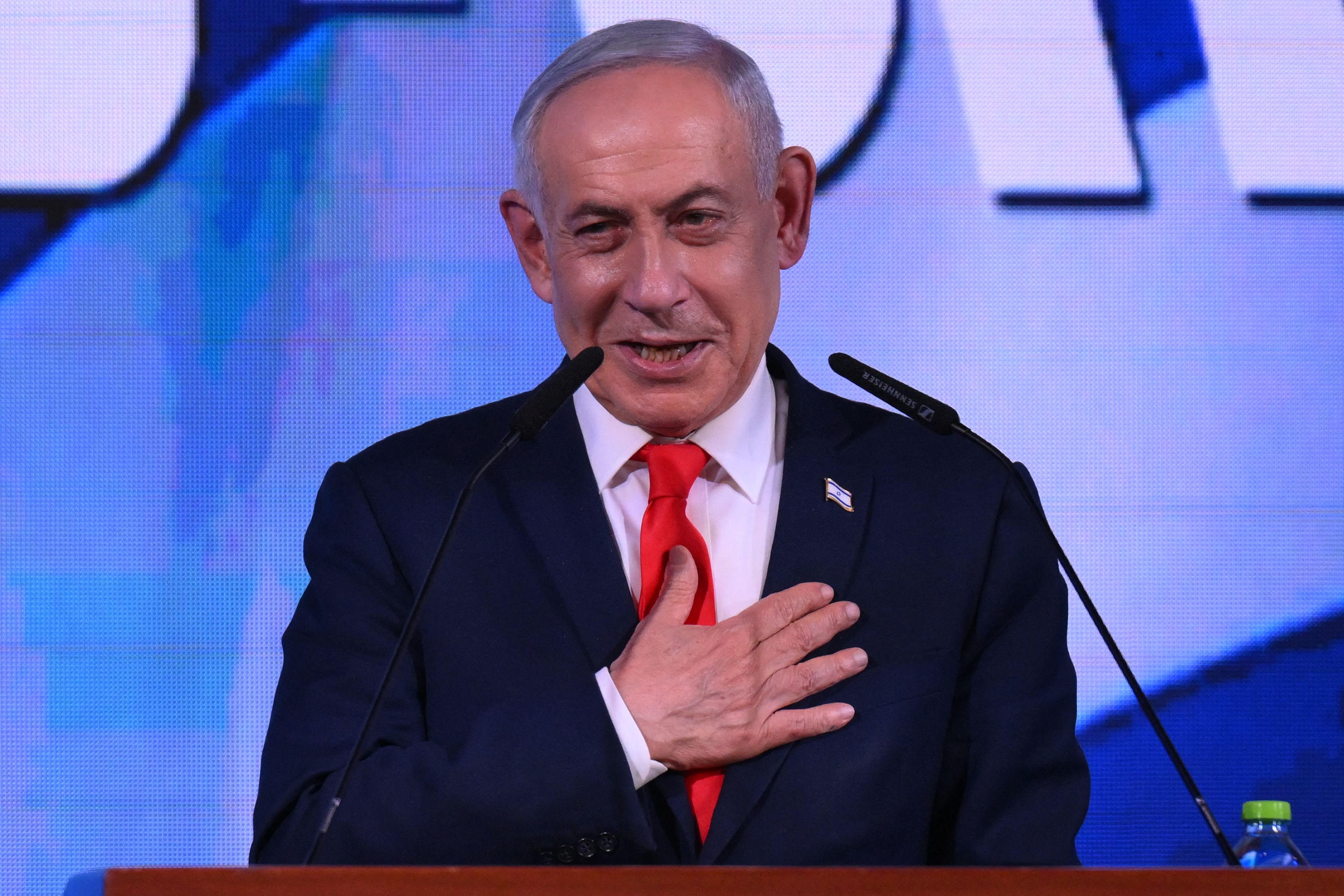
內塔尼亞胡真的要下台了嗎?
從目前的政治形勢看,艾森科特至少面臨兩條主要組閣路線。
一條是爭取極端正統派宗教政黨加入,組成不依靠阿拉伯政黨的多數政府。
另一條則是建立少數政府,尋求阿拉伯政黨在國會提供支持。
但第一條路會遇上兵役法爭議,第二條路則會受到利伯曼等右翼盟友反對。
即使艾森科特能夠在某些問題上取得妥協,也必須確保這些妥協不會導致其他盟友退出。
這是一場極其複雜的政治平衡遊戲。
對內塔尼亞胡而言,局面則完全不同。
他雖然沒有取得足夠支持繼續組閣,卻仍然掌握看守政府的權力。
只要艾森科特未能成功建立新政府,他就仍有機會繼續留任,等待下一輪政治談判,甚至再次舉行大選。
因此,67張推薦票雖然讓艾森科特取得政治優勢,卻遠遠不足以保證他能成為下一任總理。
他需要做的,是把彼此不信任、政策立場互相衝突的政黨,整合成一個至少能夠共同執政的聯盟。
而這或許比贏得一場選舉更加困難。
以色列這場政治博弈最弔詭的地方就在於:多數議員已經表明希望換掉內塔尼亞胡,但他們卻未必能就誰來取代他、如何治理國家達成共識。
如今,球已經交到艾森科特手中。
他能否把67張推薦票轉化為真正的執政權力,將決定以色列是迎來新的政治時代,還是再次回到內塔尼亞胡主導的政治循環。
以下為英文原文:
Israel: Gadi Eisenkot will face many challenges to form a government
By Dr. Haytham Mouzahem*
Israeli President Isaac Herzog announced on the evening of Saturday, November 7, that he would task the leader of the "Yesh Atid" party, Gadi Eisenkot, with the mission of forming the government. Eisenkot, a former head of the Israeli army, was invited to the President's residence on Sunday evening to receive the mandate, after 67 Knesset members recommended him, compared to 46 members who recommended Benjamin Netanyahu, while seven members abstained from recommending any candidate. The Knesset has 120 seats, and a government needs 61 votes to gain or deny confidence.
These developments come following the parliamentary elections held in Israel on October 27, in which neither of the two main camps was able to obtain the required majority to form a government, set at 61 seats out of 120 in the Knesset.
According to the final results contained in the electoral data, Netanyahu's Likud party won 27 seats, and Eisenkot's Yesh Atid party won 21 seats, while the remaining seats were distributed among other parties.
Eisenkot who is from Moroccan family who migrated to Palestine, will become the first Prime minister from oriental origin in Israel. He pledged to do everything in his power to form the new government, calling for the formation of what he described as a "national emergency government," following the Israeli President's announcement of his intention to formally task him with the mission.
In a post on the X platform on Saturday evening, Eisenkot said: "The time has come to form a national emergency government. I will do everything in my power to be worthy of the responsibility."
The tasking of Eisenkot with forming the new government sparked a wave of mixed reactions inside Israel, between demands for early elections and calls to expedite the formation of a new government that would end the rule of Prime Minister Benjamin Netanyahu.
Israel's Channel 12 reported that sources close to US President Donald Trump conveyed a message to associates of Gadi Eisenkot, calling on him to expedite the formation of the new government and to replace Netanyahu. The channel quoted unnamed informed sources as saying that the message was conveyed to Eisenkot's associates shortly before he formally received the mandate to form the government from the Israeli President.
It seems that Trump, who declared his support for Netanyahu before the Israeli elections and the American midterm elections, now wants to get rid of him, after the Republican Party lost both houses of Congress as a result of the repercussions of the war on Iran, which Netanyahu dragged it into and for which the American citizen paid the economic and living consequences.
Difficulty of Forming the Government
Eisenkot is now entering an extremely complex political phase, as his mission is not limited to collecting the parliamentary recommendations he obtained, but requires him to transform these recommendations into clear political and coalition agreements that guarantee his government's ability to obtain the Knesset's confidence and to continue.
If Eisenkot succeeds in forming the government, this will mean the end of Netanyahu's current rule and the beginning of a new political phase based on alliances that may transcend traditional divisions among Israeli parties.
But if he fails to complete the mission within the legal deadline and possible extension, Israel may enter a new phase of political consultations, with the current government headed by Netanyahu continuing to manage affairs until a new government is formed.
Netanyahu is considered one of the longest-serving prime ministers in Israel, having first assumed the premiership in 1996 and continued until 1999, then returned to the position in 2009 and remained in it until 2021, before returning again in December 2022.
Netanyahu has been facing trial inside Israel since 2020, on charges of bribery, fraud, and breach of trust in three corruption cases, charges he denies. The International Criminal Court also issued an arrest warrant against him on November 21, 2024, on charges of committing war crimes and crimes against humanity in the Gaza Strip.
However, the majority that recommended Eisenkot is still far from being able to install a government; the disagreements between his potential partners are so deep that Herzog himself asked during the weekend to know how he intended to overcome them. After the round of consultations conducted by the Israeli President last week, Herzog conducted complementary consultations via phone calls with a number of party leaders. The clarifications focused on a practical question: How does Eisenkot intend to form a stable government coalition, at a time when his partner, the head of the "Yisrael Beiteinu" party, Avigdor Lieberman, rejects a government that relies on Arab parties, and the "Together" party led by his other partner, Naftali Bennett, affirms its commitment to establishing a "coalition of those who perform military service," obligating Haredi religious Jews to enlist and achieving equality in bearing burdens, while the Haredi parties demand a law regulating the status of students of Jewish religious institutes and oppose setting recruitment targets and imposing sanctions on those who refuse.
Israeli experts believe that the recommendations of the members gave Eisenkot a clear advantage, but did not resolve this contradiction. Of the 67 members who recommended him, there are 19 Knesset members representing Arab parties; the Zionist change camp has only 48 seats, and for Eisenkot to form a majority government with 61 Knesset members, with the participation of the Haredi parties, he also needs the seven seats of the "United Torah Judaism" party and the six seats of the "Shas" party; however, leader of “Shas” Aryeh Deri recommended Netanyahu, and Haredi circles estimate that it is difficult to imagine Shas joining Eisenkot, even in coalition negotiations. Without Shas, the total seats of the change camp and the "United Torah Judaism" party will not exceed 55 Knesset members.
For his part, Lieberman gave Eisenkot full authorization to attempt to form the government. The head of the "Yisrael Beiteinu" party does not intend to demand rotation in the premiership in exchange for his support for Eisenkot, and he has retreated from his principled opposition to partnership with the Haredi parties, and agreed to examine compromises regarding the conscription law, based on the formula he proposed in 2018.
Sources from Haredi circles say that contacts are actually taking place between parties in the Haredi parties and associates of Lieberman, and that the Haredim have a long history of cooperation with him and have a level of trust in him perhaps even higher than the level of trust they have in Eisenkot. Circles in the Haredi "United Torah Judaism" party expressed readiness to negotiate with political parties that agree to regulate the status of religious school students.
Media outlets close to the Haredi parties quoted an official in the party as saying that they will conduct negotiations with anyone who agrees to regulate the status of (Haredi) religious school students, and that next week will be important for the possibility of cooperation with the change camp, and to determine whether the parties of this camp are ready to reach a solution regarding the conscription issue.
The issue of conscripting students of religious institutes and schools is considered one of the most prominent files of disagreement within Israeli politics, especially in light of the demand by broad sectors to end the wide exemptions enjoyed by the Haredim, in exchange for the religious parties' adherence to maintaining the status quo and ensuring the continuation of study for religious institute students.
The dispute over this issue was one of the reasons that prompted the "United Torah Judaism" party to abstain from recommending the tasking of Netanyahu, and that was among the developments that affected the calculations of government formation.
Israeli observers believe that the alternative path, represented by forming a minority government with the help of Arab parties abstaining from voting against it, faces decisive opposition from Lieberman, who made clear that he would not agree to a government formed thanks to the support of the United Arab List or the Joint Arab List, nor even thanks to these parties abstaining from voting. If Eisenkot pushes toward this scenario, the Haredi parties will vote against a minority government that relies on Arab parties.
If Lieberman adheres to his position, the abstention of Arab parties from voting will not be sufficient to ensure the installation of the government. Eisenkot may face difficulty in forming the government through either of the two main paths before him: whether by including the Haredi parties, or by forming a minority government. Eisenkot is not rushing to abandon the possibility of first forming a national emergency government that includes the change camp, and then expanding it later. On Friday, he announced four principles for participation in his government:
- Recognition of Israel as a Jewish and democratic state.
- Acceptance of the values of the Declaration of Independence.
- Commitment to performing military, national, or civil service.
- Recognition that "Hamas" is a "terrorist" organization, along with commitment to dismantling its military and authoritarian power.
There is no doubt that the first two items and the last embarrass the Arab parties, while the third item embarrasses the religious parties. Recognition of the Jewishness of the state constitutes a denial of the right to exist of 20 percent of Israel's population, who are Palestinian Arabs, the indigenous inhabitants of Palestine. When Arabs recognize the Jewishness of the state, it is as if they are giving up their right to remain in it as non-Jews and their right to equality in citizenship and rights with Jews.
Eisenkot has not yet provided an answer to the conscription law issue: the Haredim want to regulate the legal status of religious institute students, while some Zionist partners demand the conscription of large numbers of them and the achievement of equality in bearing burdens. The difficulty is not limited to Lieberman; Naftali Bennett has not yet committed, publicly, to a formula that includes compromises with the Haredim. Even if understandings are reached between the Zionist parties within the change camp, it will still be necessary to convince the Haredim to accept a compromise on conscription, and to convince the secular partners to support it.
The Arab List Supports Eisenkot
On the Arab position, Haaretz newspaper quoted an official in the United Arab List as saying that the list is ready to support an Eisenkot government even without reaching a formal coalition agreement.
This position carries political importance in light of the complex parliamentary calculations facing the tasked candidate, as Arab support may constitute a decisive factor in securing the necessary majority to grant the new government confidence, or providing a parliamentary safety net that allows it to continue, even if the Arab parties do not participate directly in the government coalition.
The two Arab lists, the Joint List and the United Arab List, had obtained 19 seats, which gives their positions important weight in the calculations related to forming the new government.
In the most prominent reactions rejecting the tasking of Eisenkot, the National Security Minister from the far-right religious right, Itamar Ben-Gvir, accused the camp that recommended tasking him with forming the government of "stealing the elections and lying to the people of Israel," demanding new elections against the backdrop of what he described as fraud. Ben-Gvir said that the proposed national unity government would be a "government of paralysis," adding that holding new elections has become a necessity due to what he described as bias, in a position that reflects his rejection of efforts aimed at forming a government alternative to Netanyahu's government.
In contrast, former Israeli Prime Minister Ehud Barak called on Eisenkot to move as quickly as possible to complete the mission of forming the new government, pointing out that the top political priority is to change Netanyahu's government and end its stay in power. Barak said that all political options on the table could be suitable for achieving this goal, adding that the participation of Arab parties in the government would be a positive matter, in a position that reflects support for expanding the circle of political understandings within the anti-Netanyahu camp.
Barak also did not rule out the possibility of the Likud party participating in a national unity government, if a political formula could be formed that allows the party to be a partner in the government without Netanyahu continuing at its head.
The ball is now in Eisenkot's court after receiving the mandate, and he will later have to transform 67 recommendations into understandings between parties that still differ regarding the type of government they agree to form.
 0
已點過讚





評論( 0 )
0 / 255