







哈馬斯新掌門上台 釋放什麼信號?

- 普通話
- 廣東話

- 超大
- 大
- 標準
- 小
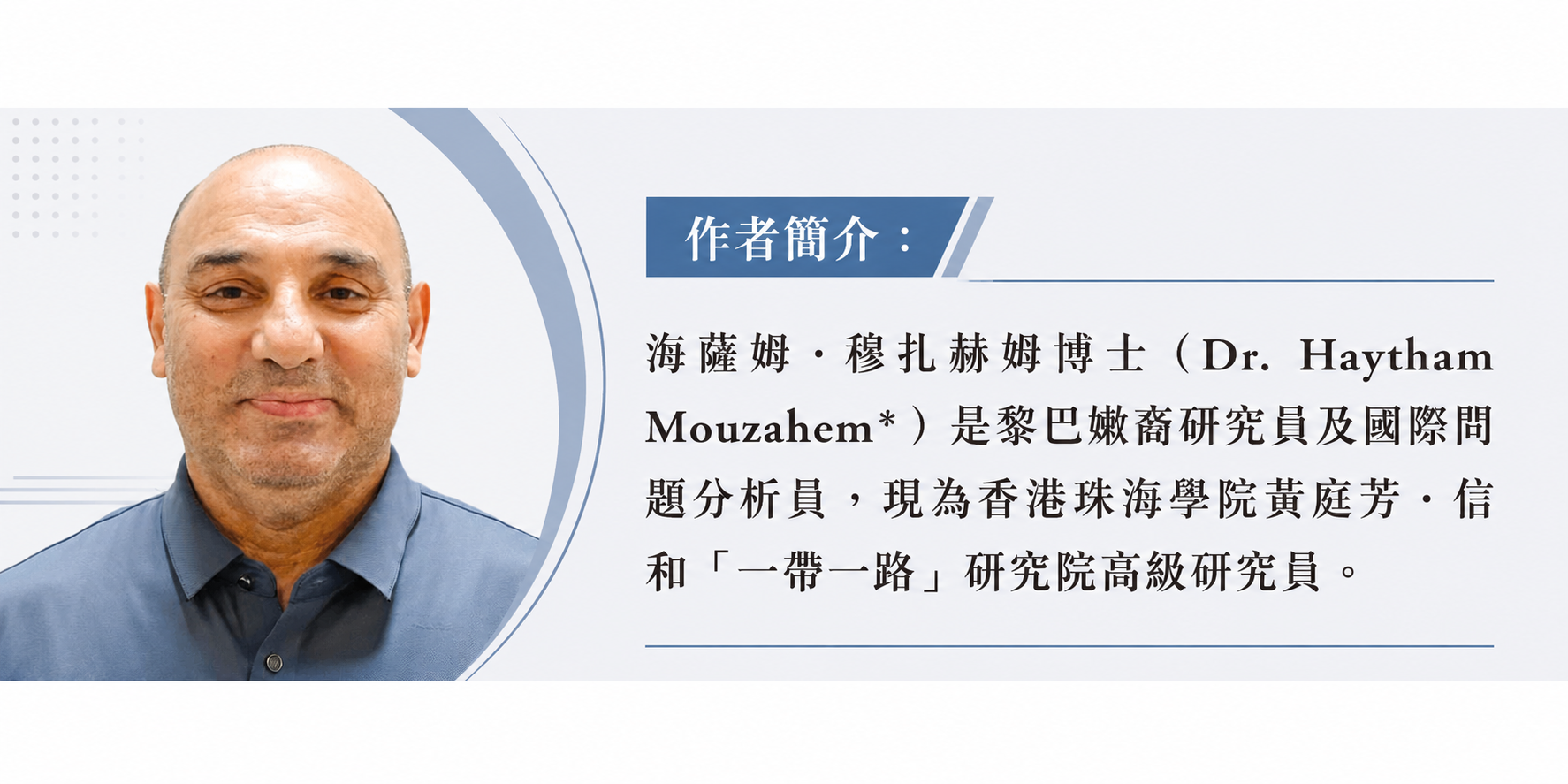
文/海薩姆·穆扎赫姆博士(Dr. Haytham Mouzahem)
編者按:本文根據海薩姆·穆扎赫姆博士提供的英文原稿編譯及改寫,英文原文附於文末。英文原稿中部分事件年份有誤,部分內容根據公開資料校正。
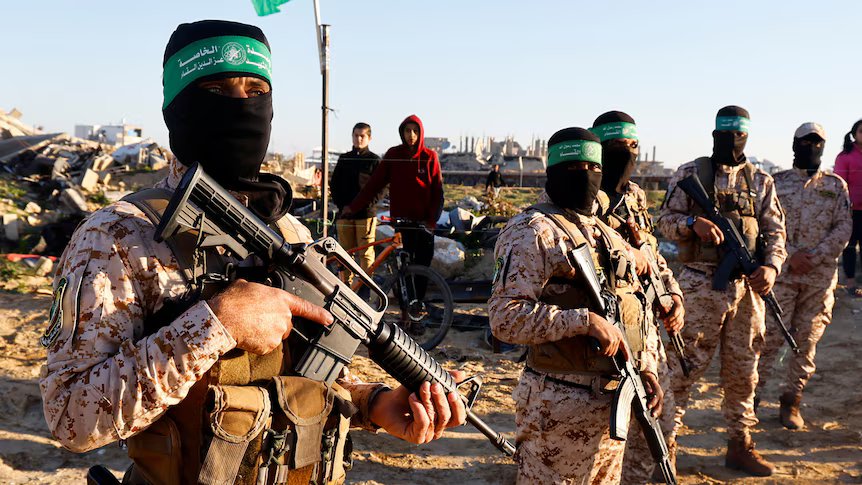
哈馬斯公布新領導人的聲明很短,只有寥寥數句。
但這份簡短聲明,回答了一個懸置近兩年的問題:在多名最高層領導人接連被殺、加沙遭受長期戰火、停火與戰後安排仍充滿變數之際,誰來帶領哈馬斯走入下一階段?
7月20日,巴勒斯坦伊斯蘭抵抗運動(哈馬斯)宣布,選舉哈利勒·哈亞為政治局主席,接替2024年10月在加沙地帶被以軍打死的葉海亞·辛瓦爾。
這不只是一次領導人更替。
從辛瓦爾身亡後的臨時集體領導,重新回到由一名政治局主席統籌決策,意味着哈馬斯正試圖結束近兩年的權力過渡期,重新建立一套可以處理停火談判、戰後治理、組織重建和地區關係的政治指揮中心。
一場只差一票的內部選舉
哈馬斯的官方聲明只公布哈亞當選,沒有披露投票過程和具體票數。
不過,半島電視台引述消息報道,哈亞在政治局主席選舉中獲得35票,以一票之差擊敗獲得34票的哈立德·邁沙阿勒。
邁沙阿勒曾長期擔任哈馬斯政治局領導人,目前主要負責該組織的海外事務。兩人的競爭,也被外界視為哈馬斯內部兩種重心之爭:一邊是與加沙聯繫更緊密、並在戰時停火談判中扮演核心角色的哈亞;另一邊則是長期在海外活動、擁有較廣泛國際政治經驗的邁沙阿勒。
哈馬斯曾在5月舉行首輪投票,但未能選出勝者,於是按照內部規章舉行第二輪選舉。參與選舉的協商委員會代表,來自加沙地帶、約旦河西岸、以色列監獄中的哈馬斯成員,以及海外分支。
哈亞以極小差距勝出,也說明哈馬斯內部並非沒有分歧。
但在當前局勢下,選舉能夠完成本身,已是哈馬斯希望對外傳遞的一個重要信息:即使組織遭受嚴重軍事打擊,其內部決策和領導人產生機制仍未完全失效。
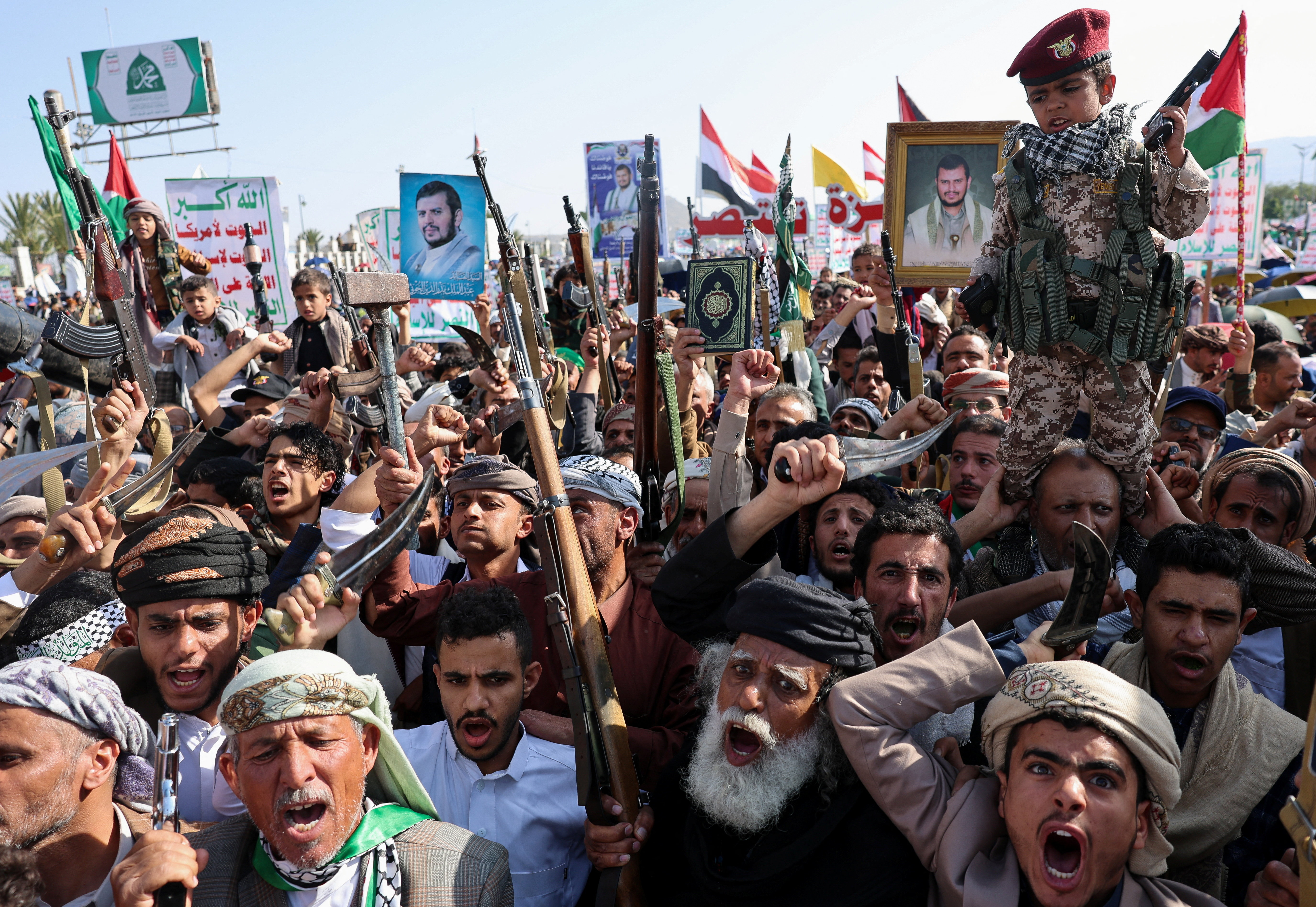
哈馬斯為何近兩年沒有正式「掌門人」?
哈馬斯的領導層危機始於2024年。
2024年7月,時任政治局領導人伊斯梅爾·哈尼亞在伊朗首都德黑蘭遇襲身亡。哈馬斯其後推選加沙地帶領導人辛瓦爾接任。
但僅僅數月後,辛瓦爾也在加沙南部拉法與以軍交火時身亡。
兩名最高領導人在短時間內接連被殺,令哈馬斯出現明顯的權力真空。此後,該組織成立由五人組成的臨時領導委員會,在戰爭期間共同處理組織事務和停火談判。
這種集體領導方式,可以避免單一領導人再次成為以色列的明確襲擊目標,也有助於不同地區和派系共同參與決策。
但它也有局限。
當哈馬斯需要就停火、釋放被扣押人員、解除武裝、戰後治理及與巴勒斯坦民族權力機構的關係作出重大決定時,臨時委員會很難完全取代一名擁有明確授權的最高政治領導人。
哈亞當選,正是要填補這個空缺。
哈亞是誰?
哈利勒·哈亞1960年出生於加沙城,在1967年戰爭和以色列佔領加沙地帶的背景下成長。
他早年從事宗教和學術工作,取得伊斯蘭研究博士學位。1980年前後,他開始追隨後來創立哈馬斯的謝赫艾哈邁德·亞辛,逐步進入該組織的核心領導層。
2006年,哈亞當選巴勒斯坦立法委員會議員,並出任哈馬斯議會黨團領導人。此後,他先後擔任哈馬斯政治局成員、加沙地帶領導層副主席,以及阿拉伯和伊斯蘭關係事務負責人。
但令哈亞在近年真正走到台前的,並不是他的學術背景或議會經歷,而是他的另一個身份——哈馬斯首席談判代表。
本輪加沙戰爭期間,他長期代表哈馬斯參與由埃及和卡塔爾斡旋的間接談判,處理停火、交換被扣押人員,以及以軍撤離等問題。
2025年10月的停火協議,也是哈亞參與談判的重要成果之一。此後,雖然大規模戰鬥一度停止,但加沙仍不斷發生襲擊,停火安排、以軍控制區以及哈馬斯解除武裝等問題都沒有真正解決。
換句話說,哈亞不是在戰爭結束後接班。
他是在戰爭尚未真正結束、和平也尚未到來之時接手。
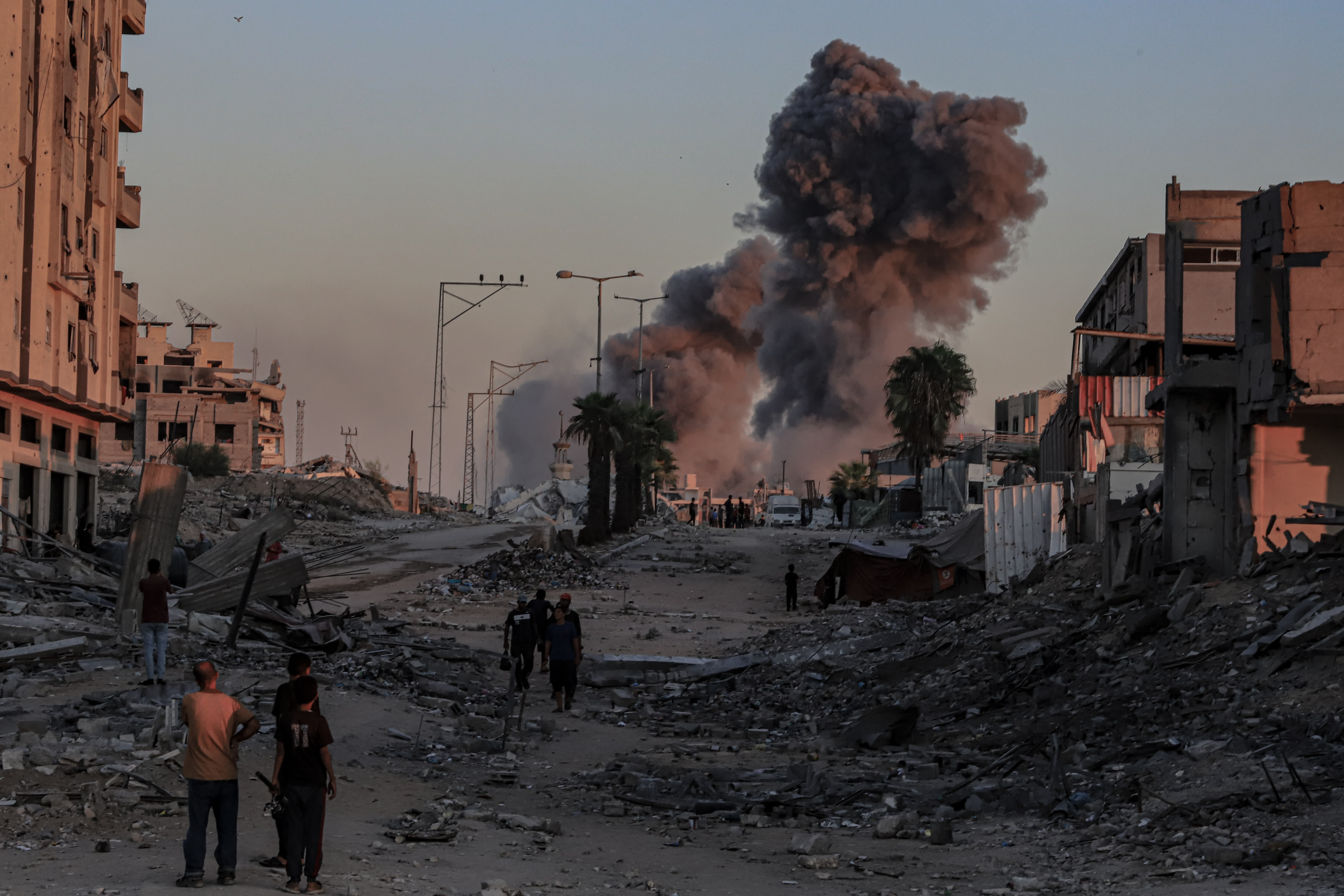
一名多次死裡逃生的領導人
哈亞本人曾多次成為以軍襲擊目標。
2007年,以軍空襲哈亞家族聚集的地點,他本人幸存,但多名兄弟、侄子及其他親屬死亡。此後,他的住所和家人也多次在加沙戰爭中遭到襲擊。
2025年9月,以色列空襲卡塔爾首都多哈一處哈馬斯政治領導層辦公地點。當時,哈馬斯高層正在討論美國提出的加沙停火方案。
哈亞和其他主要領導人據報在襲擊中幸存,但他的兒子以及數名哈馬斯工作人員和保安人員死亡。
原文指出,哈亞在多年以巴衝突中失去多名兒子及其他家人。這種個人經歷使他不只是哈馬斯的談判代表,也是一名與加沙戰爭及哈馬斯武裝路線有直接而深刻聯繫的領導人。
這也是外界普遍不把他視為單純「溫和派談判人物」的原因。
能夠談判,不等於願意放棄武裝。
第一個信號:加沙仍是哈馬斯的政治核心
哈亞當選首先表明,即使加沙在戰爭中遭到嚴重破壞,這片土地在哈馬斯內部仍然具有核心地位。
以色列在戰爭中的主要目標之一,是摧毀哈馬斯在加沙的軍事與政治管治能力,使其不再成為巴勒斯坦政治的重要力量。
但哈馬斯最終沒有選擇一名主要代表海外分支的領導人,而是選出出生於加沙、長期參與加沙事務,並曾任加沙地帶領導層副主席的哈亞。
這意味着,哈馬斯並不準備把加沙從其政治中心移走。
相反,它希望證明:即使加沙遭受巨大破壞,來自加沙的領導層仍能決定整個組織的方向。
第二個信號:政策可能延續,而非全面轉向
哈亞長期參與談判,容易令人把他的當選理解為哈馬斯準備走向更加務實或溫和的路線。
但實際情況可能更複雜。
與主要競爭對手邁沙阿勒相比,部分觀察人士認為哈亞在解除武裝和「抵抗」問題上的立場更加強硬,也與伊朗及所謂「抵抗軸心」保持較密切聯繫。
路透社引述分析認為,他當選可能意味着哈馬斯將在解除武裝談判中採取更強硬立場。只要以色列仍控制加沙大部分地區,巴勒斯坦建國前景也沒有明確保障,哈馬斯便不大可能主動交出其所稱的「防禦性武器」。
因此,哈亞上台更像是政策延續,而不是路線逆轉。
他既是談判代表,也是主張繼續抵抗的領導人。未來哈馬斯的策略,很可能仍是同時保留兩條路線:一邊談判,一邊保留武裝和政治籌碼。
第三個信號:哈馬斯要證明自己仍是一個組織
以色列多年來持續打擊哈馬斯領導層、軍事指揮系統和基層網絡,希望削弱其指揮、控制和治理能力。
在這種情況下,哈馬斯仍能完成內部選舉,選出政治局主席,被支持者視為該組織仍具韌性的證明。
巴勒斯坦伊斯蘭聖戰組織表示,哈馬斯能夠在戰火和破壞中完成選舉,顯示其仍然「強大而團結」。
但這種內部選舉並不等同於面向全體巴勒斯坦民眾的民主選舉。它是哈馬斯成員和組織架構內部的權力產生機制。
真正值得注意之處,在於哈馬斯希望借此說明,它不是完全依靠某一名領導人維持的組織。即使哈尼亞和辛瓦爾先後身亡,新的領導層仍可以按照內部程序產生。
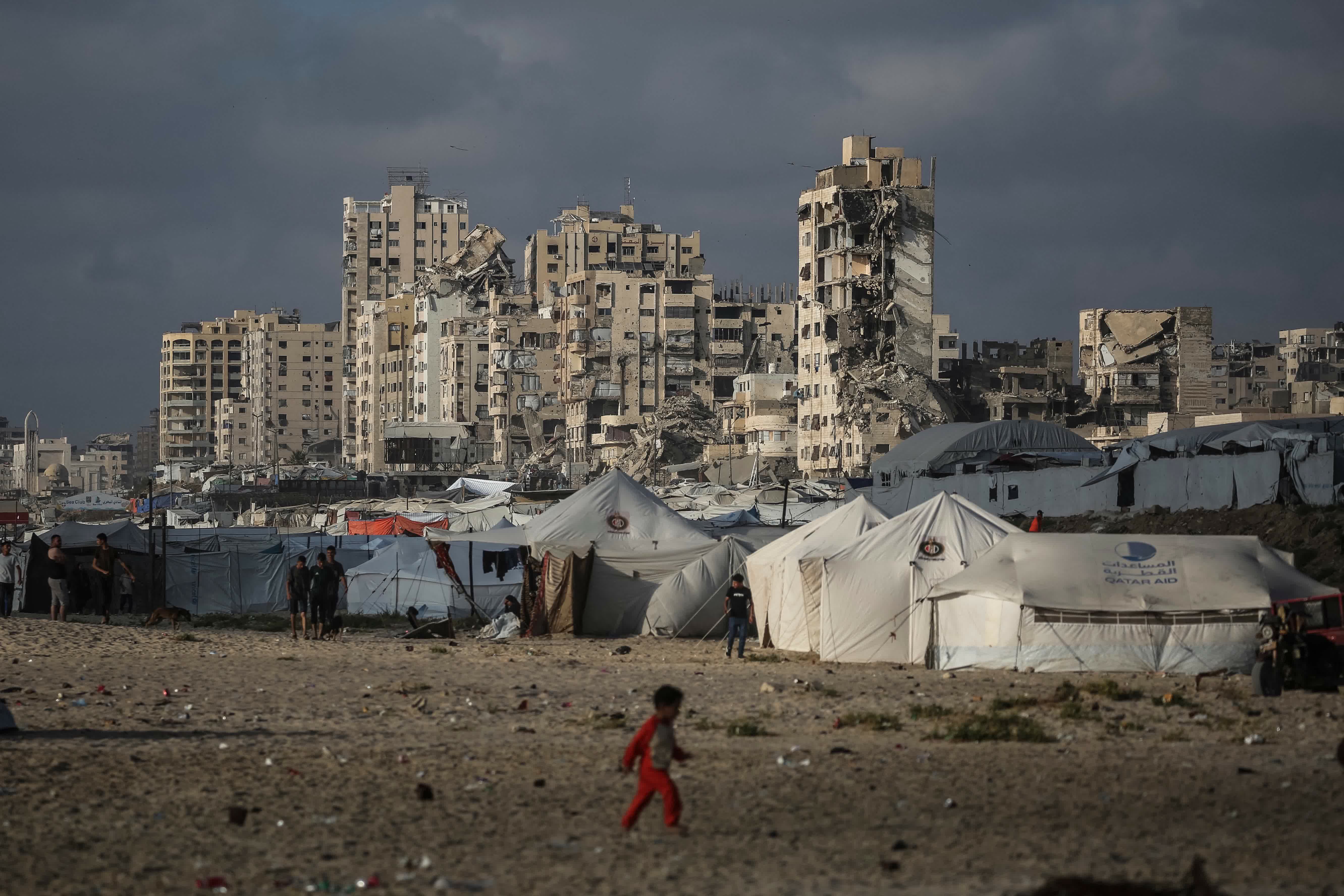
最難的任務:從「管治加沙」轉向「參與政治」
哈亞接手後面對的最大挑戰,可能不是如何繼續管理加沙,而是如何處理哈馬斯不再直接管治加沙之後的角色。
哈馬斯已宣布解散戰時設立的緊急管治機構,並表示願意把加沙的日常行政工作交給由技術官員組成的巴勒斯坦國家委員會。
但移交行政權,不等於哈馬斯退出政治,更不等於哈馬斯同意解除武裝。
以色列對這項安排仍持懷疑態度,認為即使由技術官員管理加沙,哈馬斯仍可能通過原有公務員、地方網絡和武裝力量保留實際影響。
對哈亞而言,接下來要回答的是:
哈馬斯不再直接管理政府部門後,將成為一個甚麼樣的組織?
它會轉型為普通政治力量,參與巴勒斯坦內部選舉和權力安排;還是繼續保持一套政治與武裝並行的架構?
它又如何處理與巴勒斯坦民族權力機構,以及巴勒斯坦民族解放運動(法塔赫)之間長期存在的分裂?
這些問題,比選出一名領導人更加困難。
哈亞既要面對以色列,也要處理地區關係
新領導層的另一項任務,是重新整理哈馬斯的地區和國際關係。
埃及與卡塔爾長期擔任停火談判的主要斡旋方;土耳其為哈馬斯部分政治人物提供活動空間;伊朗則是其重要政治和軍事支持者。
俄羅斯和中國近年也與不同巴勒斯坦派別保持接觸,支持巴勒斯坦內部和解及推動政治解決。
原文認為,哈亞需要在這些不同力量之間取得平衡:既維持與伊朗及地區盟友的關係,又不能失去埃及、卡塔爾和土耳其這些停火斡旋方的支持;既要與外部世界談判,也要回應加沙民眾對停火、援助和重建的迫切需要。
這意味着,哈亞不能只做一名組織領導人。
他同時要成為談判者、外交協調者,以及戰後轉型的設計者。
哈亞當選不是答案,而是新問題的開始
哈馬斯選出新領導人,確實結束了近兩年的臨時領導階段。
但它並沒有解決哈馬斯面對的根本問題。
加沙應由誰管治?
哈馬斯是否交出武器?
以色列何時撤出其控制的地區?
巴勒斯坦各派能否結束分裂?
哈馬斯又能否從一個同時擁有政府、政黨和武裝力量的組織,轉型為戰後巴勒斯坦政治架構的一部分?
哈亞的優勢,是他熟悉加沙、熟悉哈馬斯,也熟悉談判桌。
但他的困難同樣源於這三點:他既承載着加沙的戰爭記憶,也代表哈馬斯原有的抵抗路線,還要面對要求組織解除武裝和退出管治的新政治現實。
因此,這次換帥最重要的意義,並不是哈馬斯選出了一名怎樣的領導人。
而是這名新領導人能否讓哈馬斯在「繼續抵抗」與「進入政治」之間,找到一條尚未被戰火封死的道路。
以下為英文原文:
What are the implications of Hamas electing a new leader?
By Dr. Haytham Mouzahem*
The Palestinian Hamas movement announced on Monday the election of Khalil al-Hayya as the new head of its political bureau, succeeding Yahya Sinwar, who was killed by Israel during the war on Gaza in October 2014. This marks a transition from a phase of interim administration to the establishment of a political leadership with broader decision-making powers, at what is described as the most complex moment in Hamas's history. The election of Khalil al-Hayya represents the completion of the movement's internal restructuring and the consolidation of its organizational legitimacy. The movement has filled a leadership vacuum that persisted since Sinwar's assassination, amidst highly complex political and regional circumstances.
The announcement of the internal election results for the movement's leader came in a brief statement published by Hamas on its official Telegram channel. Al-Hayya won the election for head of the Hamas political bureau with 35 votes, compared to 34 votes for Khaled Meshaal, the movement's leader abroad and former head of the political bureau.
The movement had announced in mid-May that it would hold an election to choose a new leader to succeed the late Yahya Sinwar. In a statement at the time, the movement confirmed that the election was not decided in the first round, and therefore a second round would be held at a later date, in accordance with the movement's bylaws and regulations.
Following the assassination of former political bureau chief Ismail Haniyeh in July 2014 in the Iranian capital, Tehran, Yahya Sinwar assumed leadership of the movement until his death in October of the same year in a clash with Israeli forces in the city of Rafah in the southern Gaza Strip.
After Sinwar's death, the movement formed a temporary leadership council consisting of five members to manage governance and conduct negotiations during the war. Since then, the interim leadership council has been headed by Muhammad Darwish, who assumed the chairmanship of the movement's Shura Council in late 2023, succeeding Osama al-Muzaini, who was killed on October 16, 2023 in an Israeli airstrike in Gaza. This came days after "Operation Al-Aqsa Flood," the attack launched by Hamas on Israeli settlements surrounding Gaza on October 7, 2023, which led to a retaliatory Israeli war of attrition that lasted two years, during which more than 70,000 Palestinians were killed in the Gaza Strip, most of them civilians, half of whom were children and women.
The new Hamas leader, Khalil al-Hayya, has lost four of his sons as martyrs: Osama, Hamza, Hammam, and Azzam. His only surviving son is Izz al-Din, who was wounded in an Israeli bombing of the Tuffah neighborhood in April 2025. His son Hamza (a member of the Izz ad-Din al-Qassam Brigades, the military wing of Hamas) was killed on February 28, 2008, by a missile fired from an Israeli reconnaissance plane east of Gaza City. His older brother Osama was later killed along with his wife and three of his children in an Israeli airstrike. His home was bombed during the 2014 Israeli war on the Gaza Strip.
During the most recent war, his son, Hamam, was killed on September 9, 2025, in an Israeli airstrike that targeted the residence of the Hamas negotiating delegation in Doha, Qatar.
In 2007, al-Hayya survived an assassination attempt after an Israeli airstrike targeted his family's gathering place, killing seven people: two of his brothers, four of his nephews, and one of his cousins.
One of his grandsons was also killed in early April 2015 in an Israeli airstrike that targeted a school in the al-Tuffah neighborhood of Gaza City.
Who is Khalil al-Hayya?
Khalil al-Hayya rose to prominence as the leader of Hamas, having led the movement's negotiating delegation for over two years during the most critical junctures of the Israeli war on Gaza, which began on October 7, 2013. Born in Gaza City on November 5, 1960, al-Hayya lived through the 1967 war and the subsequent Israeli occupation of the Gaza Strip, after which he pursued a religious and academic career. He earned a doctorate in Islamic Studies after graduating from the Islamic University of Gaza.
Hayya's career began with his meeting in 1980 with Sheikh Ahmed Yassin, the founder of Hamas. He rose through the ranks of the movement, eventually becoming a member of the political bureau, deputy head of the movement in the Gaza Strip, and head of the Arab and Islamic Relations Office.
In 2006, he was elected to the Palestinian Legislative Council (parliament) and became head of the Hamas parliamentary bloc. Throughout his career, he was arrested several times, the longest period being in 1991. He also survived numerous assassination attempts and Israeli attacks from 2007 until last year in Doha.
The Significance of al-Hayya's Election
Some Palestinian experts believe that the selection of Khalil al-Hayya, a figure who led the negotiations in recent months and enjoys significant organizational influence in Gaza, reflects a tendency to maintain existing policies rather than signaling a change. They argue that the current phase requires unified leadership capable of managing both internal and external affairs simultaneously.
Some analysts believe that Haya's election confirms the continued centrality of the Gaza Strip within Hamas's leadership, despite one of Israel's primary objectives in the war being to dismantle Hamas and remove Gaza from the Palestinian national equation. They argue that Haya’s appointment as head of the negotiating delegation, as well as his leadership of the movement's political bureau, grants him broader political authority to make crucial decisions in the ongoing negotiations to implement the ceasefire agreement.
The new leadership will face a number of internal challenges, most notably repositioning the movement after its announcement of handing over governance of the Gaza Strip to a national committee, and preparing for a transition from managing the Gaza Strip to playing a political role should a technocratic committee assume control of Gaza.
Experts say that Haya's election represents a challenge to Israeli hegemony, as Hamas demonstrates that it is an "institutional movement" that chooses its leadership democratically even under fire and destruction, sending a message to the Palestinian public and the Arab and Islamic world that "the battle continues" against the Israeli occupation.
The Islamic Jihad Movement stated that "Hamas's success in holding elections despite the surrounding circumstances sends a powerful message to the enemy that it remains strong and cohesive."
Despite Israel's stated goal of dismantling Hamas's command and control apparatus, the movement's ability to hold this election highlights its deep organizational safety net.
Palestinian analysts believe that the priorities of the new Hamas leadership include: alleviating the suffering in the Gaza Strip, strengthening relations with regional and international powers (Egypt, Turkey, Qatar, Russia, and China), and intensifying efforts to rebuild the organizational structure and end the division with the Palestinian Authority.
Al-Amoudi Elected Head of Hamas in Gaza
Palestinian sources reported that Ali Al-Amoudi was elected head of Hamas in the Gaza Strip. Al-Amoudi, a released prisoner freed in the 2011 Gilad Shalit prisoner exchange, became a central figure in the administration of the Gaza Strip. He was very close to Yahya Sinwar during their imprisonment in Israeli jails and after their release, frequently accompanying him to meetings and other events.
Sources also confirmed the election of Zaher Jabarin as head of Hamas in the West Bank. A Palestinian politician and member of Hamas's political bureau, he helped establish the movement's military wing in the West Bank. Israel held him responsible for operations carried out by the Palestinian resistance in the West Bank that killed Israeli soldiers and police officers. He was arrested in 1993 and sentenced to life imprisonment, serving 18 years before being released in the 2011 prisoner exchange between Hamas and Israel for the release of Gilad Shalit. After his release, he was deported from Palestine and settled in Turkey, where he was tasked with overseeing Hamas's prisoners and financial affairs. Saleh al-Arouri was elected deputy head of Hamas in the West Bank in 2021. Following al-Arouri's assassination in Beirut on January 2, 2024, Zaher Jabarin became the acting head of the movement in the West Bank. He was also a member of the negotiating delegation for a truce and ceasefire in the Gaza Strip between Palestinian resistance factions and Israel during the war launched by the occupation on Gaza on October 7, 2023.
What is Hamas?
Hamas defines itself as "a Palestinian national Islamic movement, working with its people inside and outside Palestine, and with all national Islamic forces and factions, to resist the Zionist occupation, liberate the land, Jerusalem, and the Islamic and Christian holy sites, ensure the return of refugees and displaced persons, achieve the Palestinian national project, establish an independent Palestinian state with true sovereignty, and work to serve our people wherever they are, by all means and in all fields, enabling them to persevere and remain steadfast, and to bear the consequences of confronting the Israeli occupation."
The movement describes itself as a comprehensive movement, "with resistance to the occupation as its backbone and strategic project. It operates in various fields: political, diplomatic, media, cultural, grassroots, social, relief, and educational. It is active on all levels: Palestinian, Arab, Islamic, and international, and works among youth, women, students, and all segments of society." It adds that it is "a national liberation movement with a moderate, centrist Islamic ideology, focusing its struggle and work solely on the Palestinian cause and not interfering in the affairs of others. It confines its resistance to the Israeli occupation only and has no conflict with any other entity in the world. It only resists those who fight our people and occupy our land. For Hamas, resistance is a means, not an end."
Hamas was officially founded in 1987, following the Palestinian Intifada against the Israeli occupation began in the West Bank and Gaza Strip. However, the movement existed before that as a religious current affiliated with the Muslim Brotherhood since the organization's entry into Palestine in 1935. Hassan al-Banna, the founder of the Egyptian Muslim Brotherhood, sent emissaries to spread the Muslim Brotherhood ideology in Palestine, and the organization gradually expanded with the opening of the first branch of the group in Jerusalem in 1945. With the declaration of the establishment of Israel and the outbreak of the 1948 war, the Muslim Brotherhood in Egypt formed a volunteer military force that participated in and fought battles in the Gaza Strip against the Israelis.
*Dr. Haytham Mouzahem is a Lebanese researcher and analyst, a senior fellow at NSBRRI – Hong Kong Chu Hai College.
 0
已點過讚
0
已點過讚





評論(0)
0 / 255