
【社評雙語道】善用故宮文化寶藏 夯實香港文化根基
【原文】摘錄自10月8日香港《文匯報》:
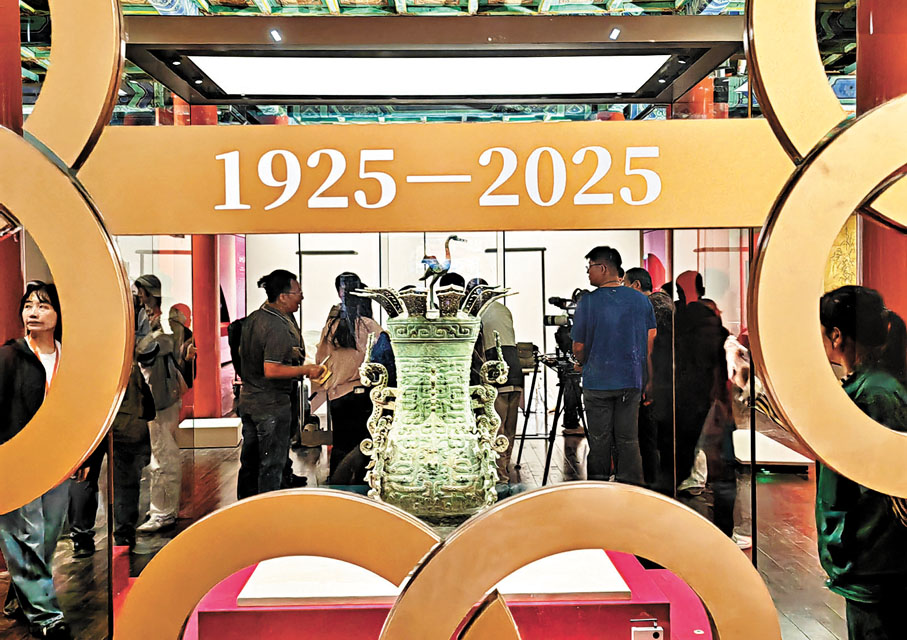
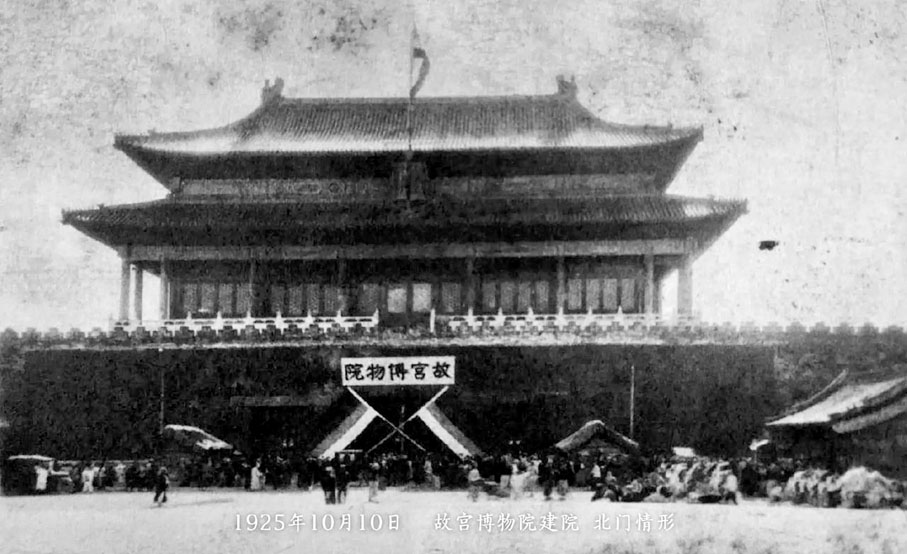
今年是故宮博物院成立百周年,原故宮博物院院長鄭欣淼接受香港文匯報記者專訪,介紹近年「故宮學」的發展概況。
故宮收藏眾多無價之寶,是展現燦爛中華文明的寶藏,也是一部記載中華民族櫛風沐雨蛻變成長的彪炳史冊。香港應充分發揮內聯外通的顯著優勢,搭建更寬闊的中外文化互鑒互促的橋樑,把故宮豐富的歷史文化內涵向海外推廣,向國際社會講好博大精深的中國故事,彰顯香港中外文化藝術交流中心的獨特角色。
故宮是世界文化遺產,是中華文化的結晶。屹立600多年來,承載的故事不只令國人自豪,不少海外民眾也為之心動,紛紛慕名而至。多年來,不少訪京外國元首,都曾駐足故宮石板路上,讚嘆其雄偉英姿,由此與中國友人打開話題,造就一幕幕外交美談。
故宮藏品更是中國文化藝術主要門類的精華,既有明清宮廷獨有精品,如珍珠盆景、象牙涼席,亦有如三希堂藏品涵蓋歷朝歷代書畫名作,體現着中華先人智慧,承載着5,000年深厚歷史文化。
中共十八大以來,習近平總書記高度重視故宮文化遺產保護傳承工作,多次作出重要指示批示,為故宮博物院發展提供了根本遵循。推動「故宮學」研究,能使故宮博物院的文物資源作更科學化與系統性梳理,既讓專家學者進行深度研究,發掘更多故宮瑰寶,又可幫助故宮文物的推廣工作,以富有內涵且饒有趣味的形式,向中華民族的年輕一代,以及海外民眾傳播,使大家都能深刻體會到中華文明的博大精深,藉此傳承中華文化根脈,促進中外文明互鑒。
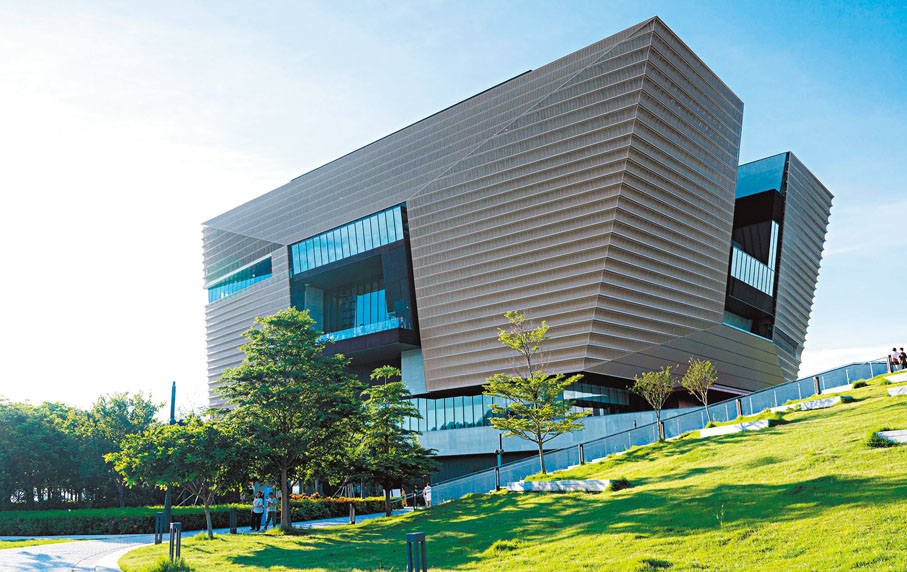
2022年香港故宮文化博物館開幕,與兩岸故宮館同出一脈。故宮館藏與展覽落戶香港後,香港傳承和弘揚中華文化的使命,更顯得任重道遠。香港具備「背靠祖國、聯通世界」的特質,而且擁有扎實的中華傳統文化研究實力,香港中文大學等學府早年已與故宮博物院在展覽策劃與文獻、古物研究方面,進行過多次交流合作。
未來本港學術界可運用廣泛的學術與研究網絡,發揮資訊科技長才,收集和整理與故宮文物相關資料,為故宮研究作出貢獻,實現「文化+科技」深度融合應用;本港更應善用文創界活躍的創意思維,製作衍生產物,例如3D技術數字新媒體,以及電影、漫畫等,透過通俗易明的形式,將故宮文物背後的色彩生命與故事內涵生動演繹,傳播以故宮為代表的中華優秀傳統文化,向年輕一代與國際社會呈現文物產生的跨時空聯結與共鳴,觸發嚮往中華文化的情感思緒,更願意參與文明互鑒的行列,促進國際社會對話互利,為建設香港成為中外文化藝術交流中心邁出重要一步。
Leveraging the Palace Museum's Heritage to Enrich Hong Kong's Cultural Identity
【譯文】This year marks the centenary of the founding of the Palace Museum. In an exclusive interview with Wen Wei Po, former Director of the Palace Museum, Zheng Xinmiao, shared insights into the recent development of "Palace Studies". The Palace Museum houses countless priceless artefacts, serving as a treasure trove that showcases the brilliance of Chinese civilisation. It also stands as a distinguished chronicle of the Chinese nation's journey through trials and transformation. Hong Kong should fully leverage its unique advantage as a connector between China and the world, building a broader bridge for mutual cultural exchange and learning. By promoting the rich historical and cultural heritage of the Palace Museum overseas, Hong Kong can help tell the profound story of China to the international community and highlight its unique role as a centre for cultural and artistic exchange between East and West.
The Palace Museum is a UNESCO World Heritage Site and a crystallisation of Chinese culture. Standing for over 600 years, the stories it carries not only fill Chinese people with pride but also captivate many from abroad, who travel great distances to visit it. Over the years, numerous foreign heads of state visiting Beijing have paused on the stone paths of the Palace Museum, marvelling at its grandeur and engaging in meaningful dialogue with Chinese hosts—creating memorable moments in diplomatic history.
The Museum's collections represent the finest of Chinese cultural and artistic traditions. These include exclusive masterpieces from the Ming and Qing imperial courts, such as pearl bonsai and ivory mats, as well as renowned calligraphy and paintings from various dynasties housed in the Hall of Three Rarities. These treasures reflect the wisdom of ancient Chinese scholars and embody 5,000 years of profound cultural heritage.
Since the 18th National Congress of the Communist Party of China, General Secretary Xi Jinping has placed great emphasis on the protection and inheritance of the Palace Museum's cultural legacy, issuing numerous important directives that have guided its development. Advancing research in "Palace Studies" enables a more scientific and systematic approach to organising the Museum's resources. This not only allows experts and scholars to conduct in-depth research and uncover more hidden gems, but also supports the promotion of the Museum's artefacts in engaging and meaningful ways. Through this, the richness of Chinese civilisation can be conveyed to younger generations and international audiences, fostering a deeper appreciation and helping to preserve the roots of Chinese culture while encouraging mutual understanding between civilisations.
In 2022, the Hong Kong Palace Museum opened, sharing the same lineage with the Palace Museums on both sides of the Taiwan Strait. After the Palace Museum's collections and exhibitions settled in Hong Kong, Hong Kong's mission to inherit and promote Chinese culture appears even more arduous and far-reaching. Hong Kong possesses the characteristics of "leaning on the motherland and connecting to the world", and also has solid research capabilities in traditional Chinese culture. Institutions such as the Chinese University of Hong Kong have long engaged in multiple exchanges and cooperations with the Palace Museum in exhibition planning, literature, and ancient artefact research.
Looking ahead, Hong Kong's academic community can harness its extensive research networks and strengths in information technology to collect and organise data related to Palace Museum artefacts, contributing to the advancement of Palace Studies and realising the deep integration of "culture + technology". Moreover, Hong Kong should tap into the creative energy of its vibrant cultural and creative industries to produce derivative works—such as digital media using 3D technology, films, and comics—that vividly interpret the stories and cultural significance behind the artefacts in an accessible and engaging manner.
By doing so, the city can promote the outstanding traditional Chinese culture represented by the Palace Museum, presenting the timeless resonance and emotional connection of these artefacts to younger generations and the global community. This will inspire a deeper admiration for Chinese culture and encourage participation in cross-cultural dialogue, fostering mutual benefit and understanding. It will also mark an important step towards establishing Hong Kong as a key hub for cultural and artistic exchange between China and the world.
●Tiffany
