
【News Buddy】西貢海藝術節 本地遊再煥魅力
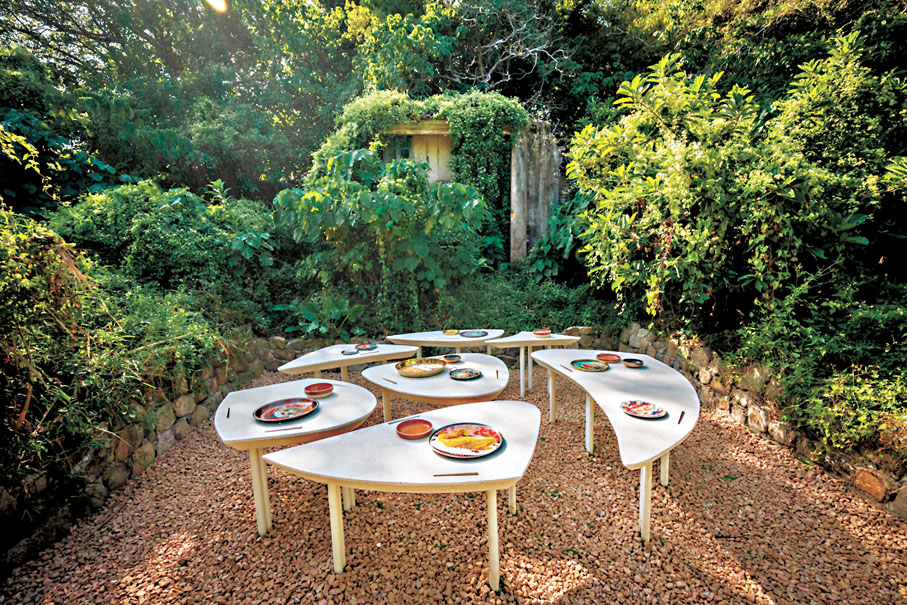
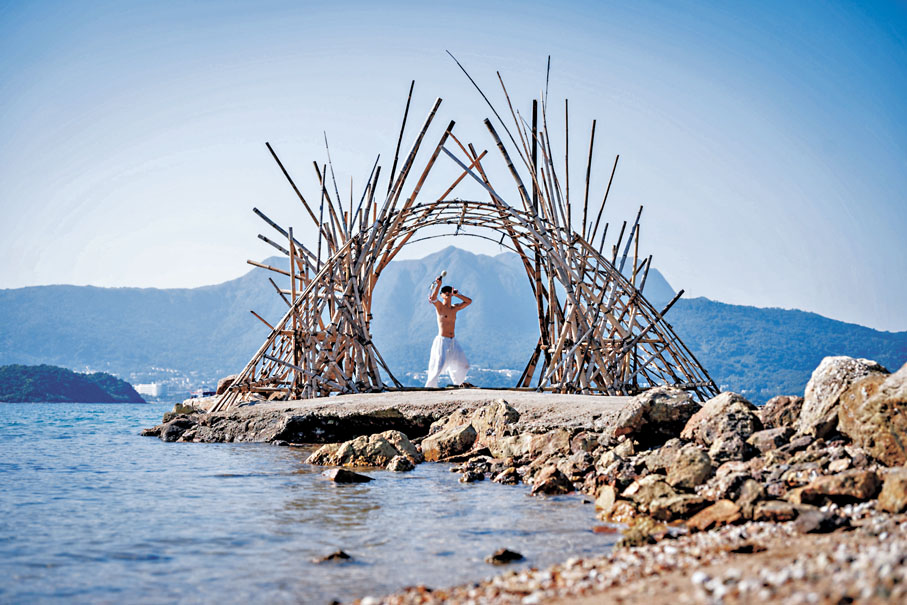
【原文】摘錄自11月19日香港《文匯報》:由香港旅遊事務署主辦、香港地質公園支持、一口設計工作室策展的西貢海藝術節今年步入第三年,今年以「再島聚 Joy Again, Gather」為主題,帶來 10 件藝術新作,呈現過往兩年在西貢四個島嶼上建立的社區情誼,邀大家重聚西貢海。
因西貢海藝術節備受歡迎,「2024-25財政年度政府財政預算案」已將該藝術節確立為旅遊事務署將在未來數年繼續推行的創意文旅藝術品牌項目,透過藝術連結島嶼,讓旅客欣賞及體驗西貢海的自然風貌、歷史文化及古蹟。這一項目的成功打造,可為今後本地文旅發展提供怎樣的經驗?欣賞新作的同時,不妨聽聽負責藝術節三年策展的一口設計工作室團隊的總結。
「今年是一口設計工作室擔任西貢海藝術節策展的最後一年,從首年我們用藝術品打開與村民之間的交流,到今年許多作品由藝術家與村民共創,這些藝術品把他們的想法、文化、歷史呈現到大眾面前,村民們也更加了解藝術節是怎麼一回事。」一口設計工作室聯合創辦人梅詩華(Sarah)說,三年來團隊與西貢和西貢居民建立了深度聯結,是一段彌足珍貴的經歷:「藝術節不僅關乎藝術,還是與人建立關係的過程。」
三年來,隨着西貢海藝術節的推進,島嶼之間的基建與配套,也在慢慢完善之中。
除了前年落成的鹽田梓新碼頭,今年滘西洲碼頭也完成了重建和啟用,停航超過二十年的街渡亦重新啟航,讓更多遊客有機會體驗島上風光。一口設計工作室聯合創辦人張國麟(Alan)說:「我們希望藝術節可以繼續做下去,因為這些配套的完善得來不易,除旅遊事務署之外,碼頭重建、基礎設施改善亦牽涉到不同部門,而這些可以繼續推進,我們需要更多配套來支持藝術節的推進,也希望在藝術節的推動下,有更多基建可以得到改善。」
Sarah則認為,這幾年的策展令他們的團隊與村民建立了良好關係,是一個開始:「我們很欣慰地見到,兩三年來村民們變得愈來愈願意講故事給你聽,他們的主動參與也愈來愈多,所以開始了就要繼續,不要浪費了這個地方和這些故事。」
今次位於橋咀洲由居法韓裔藝術家Juhyung Lee 打造的展演作品,是藝術節首個受邀參展的海外項目。法國創作團隊Galmae在藝術家帶領下,呈現作品《不是這裏,是在這裏》,這一作品曾在14個國家合共演出超過 90次,以繩索劃出空間,讓觀眾自由移動,從而產生新的聯繫。藝術家相信:「每一個個體加起來,會超越其本身的總和。向着未知出發不是一個問題,重要的是在過程中能與其他人一起經歷當中的感覺。」Alan希望以此作品為起點,令西貢海藝術節向着更國際化的目標進發。他和Sarah也提到,在未來新的策展團隊、新的想法注入後,也要繼續思考如何去平衡「新來的」與「舊有的」:「我們不只是在做保育,也要給這些島嶼繼續生存、發展的資本。」
「我們看到政府現已開始參照西貢海藝術節經驗,嘗試推進沙頭角地區的發展,其實香港可供開發的地方還有很多,如南區香港仔,大嶼山芝麻灣……都藏着很多可能性。如果其他地方也能夠開發,『島聚藝術節』的概念可以更加深入人心。」Alan說。
不過,他也表示這需要考慮不同資源的投入和分配,如果是荒無人煙只有自然美景的地方,就比較難舉辦藝術節:「因為每件藝術裝置的背後,都是和人緊密相連的,有人的地方才有歷史,才有故事。藝術家要做的,就是好好地聆聽,然後用藝術來表達。」
Sai Kung Hoi Creative Cultural Tourism Reinvents Local Tourism Experience
【譯文】The Sai Kung Hoi Arts Festival, organized by the Hong Kong Tourism Commision, supported by the Hong Kong Geopark, and curated by Bite Design Studio, is entering its third year this year. Under the theme of "Joy Again, Gather," the Festival presents ten new artworks that present the community bonding built over the past two years on the four islands of Sai Kung and invites everyone to reunite with Sai Kung Hoi.
Given the popularity of the Sai Kung Hoi Arts Festival, the 2024-25 Budget has recognized the Festival as a creative arts, culture and tourism branding project to be implemented by the Tourism Commission in the next few years. The Festival aims to connect the islands through art and allow visitors to appreciate and experience the natural landscape, history, culture and heritage of Sai Kung Hoi. What experience can the successful development of this project provide for the future development of local cultural tourism? While enjoying the new works, it is worthwhile to listen to the summary of the team of Bite Design Studio, which has been in charge of the curation of the Festival for three years.
"This is the last year that Bite Design Studio has curated the Sai Kung Hoi Festival. From the first year, we used artworks to open up communication with the villagers, and this year, when many of the artworks were created by artists and villagers, these artworks brought their ideas, cultures, and histories to the public. The villagers have better understood what the Festival is all about," said Sarah Mui, co-founder of Bite Design Studio. Sarah said that the deep connection the team has built with Sai Kung and its residents over the past three years has been an invaluable experience: "The Festival is not just about art, it is also about the process of building relationships with people."
Over the past three years, with the advancement of the Sai Kung Hoi Arts Festival, the infrastructure and supporting facilities among the islands have also been slowly improved.
In addition to the new pier at Yim Tin Tsz completed the year before last, the reconstruction and commissioning of the pier at Kau Sai Chau were completed this year, and the Kaito ferry, which has been out of service for more than 20 years, was restarted, giving more tourists a chance to experience the scenery of the island. Alan said, "We hope the arts festival can continue, as these supporting arrangements have been hard to achieve. Besides the Tourism Comission, the dock reconstruction and infrastructure improvements also involve different departments. We need more support to further advance the arts festival, and we hope that under the push of the festival, more infrastructure can be improved."
Sarah, on the other hand, believes that the curatorial work over the past few years has enabled their team to establish a good relationship with the villagers and that it is a start: "We are very pleased to see that over the past two to three years, the villagers have become more and more willing to tell you stories, and their active participation has also increased, so what is started should be continued, and don't waste this place and these stories."
The first overseas project invited to participate in the Festival is the work of French-Korean artist Juhyung Lee at Kiu Tsui Chau. The French creative team Galmae, led by the artist, presents Not Here, But Here, a work performed more than 90 times in 14 countries, which uses ropes to delineate space, allowing the audience to move freely and make new connections. The artist believes that "each individual adds up to something more than the sum of its parts. It's not a question of moving into the unknown but of experiencing it with others in the process." Alan hopes this work will serve as a starting point for the Sai Kung Hoi Arts Festival to become more internationalized. He and Sarah also mentioned that with the injection of a new curatorial team and new ideas in the future, it is essential to continue to think about how to balance the "new" with the "old': "We are not just doing conservation, but we also want to give these islands the capital to continue to survive and develop."
"We can see that the government has started to refer to the experience of the Sai Kung Hoi Art Festival to promote the development of the Sha Tau Kok area. There are still a lot of places in Hong Kong that can be developed, such as Aberdeen in the Southern District and Chi Ma Wan on Lantau Island, which are hiding a lot of possibilities. If other places can also be developed, the 'Island Gathering Arts Festival' can be more deeply rooted in people's hearts," said Alan. However, he also said that it is necessary to consider the input and allocation of different resources and that it would be more challenging to organize an arts festival in a deserted place with only natural beauty: "Because behind every art installation, it is closely related to people, and only where there are people can there be a history and a story. What an artist has to do is to listen well and then express it through art."
● 琬琰
