
社評雙語道:打破超市寡頭壟斷 保障市民權益 Break the oligopoly of supermarkets to protect the rights of the public
原文
下文摘錄自2023年4月18日香港《文匯報》︰
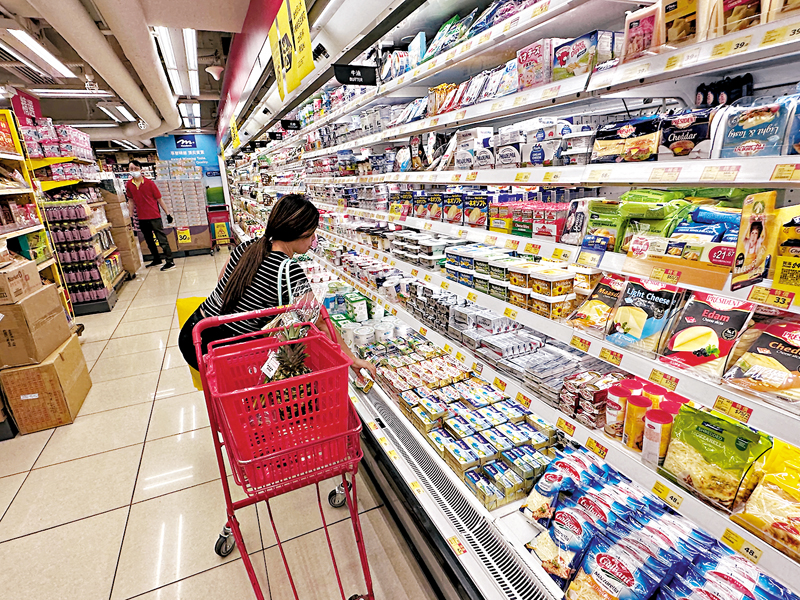
消委會公布超市價格調查,三大超市去年貨品總平均售價按年上升2.1%,加幅高於通脹,尤以米、油、罐頭等民生必需品的加幅最高。本港經濟仍處於疫後復甦初期,市民收入尚未恢復,超市應該承擔更多企業社會責任,與市民共渡時艱,不應利用疫後復甦及消費券派發等時機「賺到盡」。本港超市存在明顯的寡頭壟斷現象,政府應該加強市場監管,遏抑壟斷行為,引入良性競爭,保障基層市民利益。
消委會是次調查顯示,超市貨品,尤其是糧油食品加價的幅度最大,其次是雜糧/調味、罐頭食品和即沖飲品,基本上集中在生活必需品類別,必然令基層市民的生活負擔百上加斤。消委會分析引致加價的市場因素,一方面與國際大宗商品市場有關,例如俄烏衝突引致葵花籽油價格上升,從而令食品加價上升;另一方面與近年疫情令市民多了在家煮食,令相關貨品需求上升有關。有政黨更發現,每逢政府派發消費券,超市都會趁機加價。
國際大宗商品價格雖非本港能左右,但本港作為自由港,貿易便利、貨源多元化,大型超市有能力通過拓闊進口來源平抑物價。即使在經濟困難時期,大型超市應憑藉其大量入貨的優勢、減低採購成本,保持貨品價格平穩。尤其是對基層市民影響大的生活必需品,超市更應謹慎加價。可惜現實卻是,大型超市往往利潤至上,用盡手段和機會加價。
本港超市市場長期被少數集團壟斷,難以形成有效的市場競爭。根據市場調查機構EuroMonitor估計,2020年本港兩大超市集團的市場佔有率分別為37.4%及31.4%,合共佔據了全港近七成市場份額。
更值得注意的是,本港大型超市集團,背後往往有發展商、大財團的背景。有市場人士指出,這容易出現個別財團利用自身資源進行跨界壟斷,例如利用旗下物業便利,助同系超市擴張,同時排斥其他競爭對手,有違市場公平原則。政府需要正視這種跨界壟斷擴大,損害消費者權益。
要打破超市壟斷現象,關鍵是政府的管治理念應從昔日的「積極不干預」、「大市場小政府」,清晰而明確地向「有為政府」和「高效市場」更好結合的方向邁進。政府要加強規管超市亂加價、亂標價等行為,提供更多數據便利消費者了解超市和街市物價的差異,從而做出精明消費決策。同時,政府可利用房屋署管理公共屋邨的優勢,在公共屋邨引入更多超市經營者,增加市場參與者的數量。長遠而言,政府要完善《競爭條例》,增強競爭事務委員會的執法權力,運用法律手段限制壟斷,令市場健康發展,讓市民真正受惠。
譯文
According to the Consumer Council's supermarket price survey, the aggregate average prices of goods in the three major supermarkets in 2022 rose by 2.1 per cent year-on-year, higher than the inflation rate, and daily necessities such as staple food, edible oil and canned food had the biggest average price increase. As Hong Kong is still at the early stage of economic recovery from the pandemic and citizens' income has not yet bounced back, supermarket groups should shoulder more corporate social responsibility and tide over the difficulties together with the public, instead of taking advantage of the post-pandemic recovery and the disbursement of consumption vouchers to reap the maximum profit. To counter the obvious oligopoly of the supermarket sector, the Government should strengthen the market regulation to curb monopolistic practices, introduce healthy competition and protect the interests of the grassroots.
The survey by the Consumer Council shows that the categories of "staple food", "non-staple food / seasoning", "canned food" and "instant drinks", all being daily necessities, had the biggest average price increase, which surely added to the heavy burden of life of the grassroots. The watchdog analysed the market factors of the price surge: one factor is the international commodity market; for instance, the Russia-Ukraine conflict led to the price increase of sunflower oil and further resulted in the price increase of food products. Another factor is the pandemic which made citizens cook at home more often, thus leading to increase of demand for related products. Some political parties have even found that whenever the government disburses the consumption vouchers, supermarkets will take the opportunity to increase prices of their goods.
While unable to control international commodity prices, Hong Kong, as a free port, enjoys convenient trade and diversified sources of goods; therefore, the large supermarkets can afford to keep prices down by widening their sources of imports. Even in times of economic hardship, large supermarkets should take advantage of their ability to source large volumes of goods and reduce purchasing costs to keep prices stable. In particular, supermarkets should be cautious in raising prices of daily necessities that have a significant impact on the grassroots. However, the reality is that large supermarkets are often profit-conscious and use every means and opportunity to raise prices.
For a long time, the supermarket sector in Hong Kong has been monopolised by a few groups, making it difficult to create effective market competition. According to market researcher EuroMonitor, the two largest supermarket groups in Hong Kong had a market share of 37.4 per cent and 31.4 per cent respectively in 2020, together accounting for nearly 70 per cent of the territory's market share.
What is more noteworthy is that large supermarket groups in Hong Kong are often backed by developers and syndicates, which, according to some market players, makes it easy for some syndicates to use their own resources to secure cross-sector monopoly, such as using their properties to facilitate the expansion of their supermarkets while excluding their competitors. It is against the principle of fairness in the market, and the Government needs to confront the growing cross-sector monopoly that infringes the consumer rights.
The key to breaking the monopoly of supermarkets is for the Government to move away from the old philosophy of "positive non-intervention" and "big market, small government" to a clear and explicit direction of integrating a "proactive government" with an "efficient market". The government should strengthen the regulation of supermarkets' indiscriminate price hikes and inaccurate labelling of prices, and provide more data to facilitate consumers to learn the different prices of commodities between the supermarkets and the public markets, to make wise consumption decisions. In the meantime, the Government can make use of the Housing Department's advantage in managing public housing estates to introduce more supermarket operators to public housing estates, thereby increasing the number of market participants. In the long run, the Government should improve the Competition Ordinance, strengthen the enforcement powers of the Competition Commission and use legal means to restrict monopoly, so that the market can develop healthily and truly benefit the public.
◆ Kevin Cheung (CUSCS Lecturer)
