
【社評雙語道】巴士申請大幅加價絕不合理
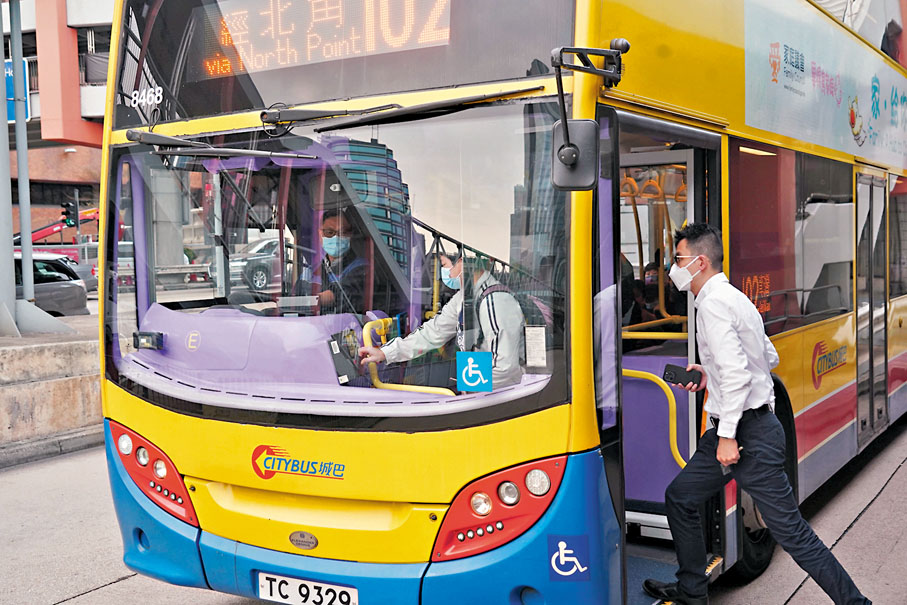
【原文】下文摘錄自2023年3月15日香港《文匯報》︰
五間專營巴士公司申請加價,加幅介乎約一成至五六成之高,明顯遠超通脹和市民的負擔能力,十分不合理。本港過去三年受疫情影響,本地客和旅客數量均大減,導致巴士公司營運效益大降,是大幅加價的主因。但疫情是特殊情況,不可能要普羅市民完全承擔由此帶來的額外成本。政府應做好為市民把關的角色,與巴士公司商討合適的解決方案,包括以一次性的特別方案處理疫情帶來的成本上升問題。
根據政府提交的文件,今次巴士公司申請加價的幅度極高,九巴申請的加幅近一成,新巴、城巴市區線更劃一申請加兩元,來回機場的巴士加幅高達五成。
本港近年通脹平穩,最新的1月通脹亦僅2.4%。燃油成本,2022年全年國際油價也只是錄得個位數升幅。即使是人工成本,主要巴士公司疫情下已凍薪兩三年,新一年度的加薪幅度也只有3.5%至4.5%。如此計算,巴士公司動輒近一成的加幅,就顯得「獅子開大口」。尤其是新巴、城巴市區線劃一申請加兩元,無論路途長短,殊不合理。如此加價方案缺乏理據,無法得到市民的理解。
其實導致巴士加價的真正原因,是疫情下客量減少,導致運營效益大降。根據運輸署數據,過去三年,巴士每天平均只有約300萬人次乘客,較疫情前的2019年下跌逾25%。尤其是在去年1月第五波疫情爆發後,整體巴士乘客量較疫情前跌幅超過五成。根據運輸署《交通運輸資料月報》,在最嚴峻的去年2月,全港各項公共交通工具服務的出行人次,單月跌近1億人次,情況比2003年「沙士」情況更差。
客量大減,一方面因為過去三年本港經歷多波疫情,不少機構、企業都在疫情高峰期推行在家辦公,而市民也出於防疫需要減少外出;另一方面本港在過去三年長時間控關,來自內地和海外的旅客近乎絕跡。但必須強調,疫情帶來的衝擊是特殊的、一次性的,並不是一種常態的變化。巴士公司現在按照過去三年在疫情下的運營數字來算賬,得出要大幅加價的結論,這是站不住腳的。
本港今年起已走出疫情陰霾,邁向完全復常。可以預期,巴士公司今年理應錄得較明顯的客量增長,運營效益亦會有很大提升。既然過去三年的經營環境因疫情而變得特殊,理應特殊情況特殊處理,而不應該由市民來「硬食」疫情引起的特殊成本。
面對巴士公司的加價要求,政府應與企業理性討論,商討合適的方案來應對。行政會議在考慮加價申請時要重視基層市民的負擔能力,絕不能對巴士公司的加價申請照單全收。本港剛剛走出疫情陰霾,巴士公司等公用事業應該在社會復常初期少加價甚至不加價。政府應繼續鼓勵及協助巴士公司採取多管齊下的方式,開源節流,進一步提升營運效益及增加非票務收入,從而改善其財務狀況和提高服務水平。
Bus companies' push for sharp fare increases is utterly unjustified
【譯文】The five franchised bus companies have applied to bump up their fares with an increase rate ranging from 10% to 50%, which is obviously far higher than the inflation rate and beyond the affordability of the public, thus being utterly unreasonable. The chief reason for the proposed sharp fare increases is the significant drop in the operating efficiency of the bus companies caused by drastic decrease of the number of tourists and local passengers because of the pandemic. However, the pandemic is a special circumstance and the additional costs it has brought should not be borne all by the general public. The Government should play its role as the gatekeeper for the public and negotiate with the bus companies for appropriate solutions, including a special one-off package to address the cost increase brought about by the pandemic.
The bus companies have applied for very high rates of fare increases this year, according to the documents the Government submitted: KMB asked for a 9.8 per cent rise, while New World First Bus (NWFB) and Citybus requested an across-the-board HK$2 rise on HK Island and cross-harbour routes and hoped for a 50 per cent increase on its airport routes.
Inflation in Hong Kong has been steady in recent years, with the latest inflation rate in January being only 2.4%. In terms of fuel costs, international oil prices rose only by a single digit in 2022. Even in terms of labour costs, the major bus companies have frozen salaries for two to three years in the pandemic, and the rate of pay rise this year would be only 3.5% to 4.5%. In this way, the bus companies' request for fare increases of nearly 10% is asking for an exorbitant price. It is particularly unreasonable for NWFB and Citybus to apply for a flat fare increase of HK$2 across all urban routes, regardless of the length of the journey. Such a fare increase request is not justified and cannot be understood by the public.
The real reason for the bus fare increases is the falling patronage under the pandemic, leading to a significant drop in operating efficiency. In the past three years, the average daily bus patronage was only about 3 million, a drop of more than 25% compared to 2019, the year before the pandemic, according to the Transport Department. In particular, the overall bus patronage after the outbreak of the fifth wave of the pandemic in January last year dropped by more than 50% compared to the pre-pandemic period. According to the Monthly Traffic and Transport Digest published by the Transport Department, the number of passenger journeys by all modes of public transport in Hong Kong in February 2022 dropped by nearly 100 million, worse than the situation of SARS in 2003.
The patronage dropped sharply because many organisations and enterprises encouraged their employees to work from home during the severest period of the pandemic and citizens travelled less than usual for disease prevention. Besides, Hong Kong has been under prolonged border control in the past three years, which blocked nearly all mainland or overseas visitors. However, it must be stressed that the impact of the pandemic is exceptional and one-off, and does not result in permanent change. It is untenable for the bus companies to base their calculations on the operating figures of the past three years under the pandemic and conclude that they have to increase their fares substantially.
Hong Kong has emerged from the shadow of the pandemic from this year and is moving towards full recovery. It is expected that the bus companies will record a more significant increase in patronage this year, and that their operating efficiency will also be greatly enhanced. The operating environment in the past three years was special due to the pandemic, which should be dealt with on an exceptional basis, and the public should not be unreasonably made to "eat" the special costs incurred by the pandemic.
The Government should communicate with the bus companies in a rational manner on the requests for fare increases, and come up with appropriate solutions. The Executive Council, when considering fare increase applications, should take into account the affordability of the grassroots and should not approve the applications without questioning. As Hong Kong has just emerged from the pandemic, public service providers such as bus companies should reduce the increase rate of fares or even not increase their fares at the early stage of social recovery. The Government should continue to encourage and assist bus companies to adopt a multi-pronged approach to raise revenue and reduce expenditure, further enhance operational efficiency and increase non-farebox revenue, so as to improve their financial position and raise service standards.
◆ Kevin Cheung (CUSCS Lecturer)
